
Weight Loss Patches: The Truth Behind the Hype
Uncovering the reality of Japanese mint slimming patches and why they may not deliver on their promises
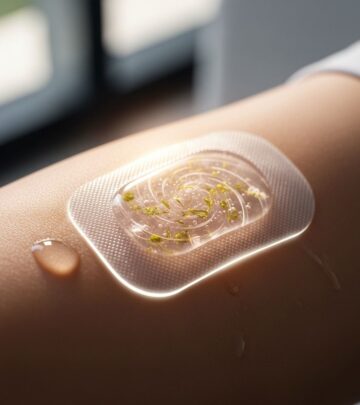
The internet is flooded with advertisements for stick-on weight loss patches infused with Japanese mint, promising effortless fat reduction without the need for diet or exercise. These patches have become the latest “get thin quick” sensation, with marketing claims that sound almost too good to be true. And as it turns out, they are exactly that—too good to be true. The ads present these products as dream solutions for anyone struggling with weight loss, but the reality behind these patches tells a very different story.
At prices starting around $7.99 plus shipping, these patches seem like a low-risk investment for those desperate to lose weight. The marketing typically features testimonials from supposed users who claim dramatic results, alongside promises of a product developed by mysterious Japanese doctors. However, when you dig deeper into the science, the credentials, and the actual effectiveness of these products, the dream quickly evaporates into a disappointing reality.
The Origin Story: Fiction or Fact?
According to various websites selling these patches, they were developed by a Japanese doctor who discovered a revolutionary method for weight loss. However, this origin story raises immediate red flags. Different websites claim different names for this mysterious genius, yet none provide any links to published research, clinical trials, or even a first name that would allow consumers to verify the doctor’s credentials independently.
The product descriptions often claim that these patches can “trigger fat cells to reduce body fat by a magical mechanism without making the skin loose.” This type of language—specifically the use of terms like “magical mechanism”—is a clear warning sign of pseudoscience. Legitimate medical products explain their mechanisms of action through verified biological processes, not magic.
Dr. Rekha Kumar, medical director of the American Board of Obesity Medicine and an assistant professor at Weill Cornell Medical College in New York City, provides crucial perspective on this issue. She points out that if the solution to obesity were as simple as wearing a patch, there would be no obesity epidemic requiring an entire field of science devoted to addressing it. The fact that researchers and medical professionals continue to study obesity and develop evidence-based treatments demonstrates that no simple, magical solution exists.
Understanding the Appeal of Quick Fixes
Despite the obvious skepticism these products should inspire, it’s important to understand why they continue to attract consumers. Dr. Kumar sympathizes with those who are curious about weight loss patches, acknowledging that the proven methods to lose weight—calorie-restricted dieting and exercise—are genuinely challenging for many people. The struggles are real: you get hungry when restricting calories, you may not have time to exercise regularly, or you might feel intimidated about starting a fitness routine.
In this context, the concept of a quick fix becomes incredibly attractive. The idea that you could simply apply a patch to your skin and watch the pounds melt away, without having to change your eating habits or carve out time for the gym, appeals to our natural desire for easy solutions. This psychological vulnerability is precisely what marketers of these products exploit.
The weight loss industry is worth billions of dollars precisely because so many people struggle with their weight and are searching for solutions. Unfortunately, this also makes it a breeding ground for scams and ineffective products that prey on desperation and hope.
Can These Patches Actually Help You Lose Weight?
The short answer is no—not in the way the advertisements claim. Here’s the reality: if you cut calories and increase your exercise routine while wearing the patch, you will indeed lose weight. However, that weight loss will occur because of the calorie deficit you’ve created through diet and exercise, not because of anything the patch is doing.
You would experience the exact same weight loss results if you wore a sticker with a cute kitten on it from the dollar store instead of an expensive Japanese mint weight loss patch. The patch is simply along for the ride while your actual lifestyle changes do the real work. If you wear the patch without making any modifications to your eating habits or activity levels, the only thing you’ll gain is a sweet-smelling decoration on your skin—and perhaps a lighter wallet.
This placebo effect is actually quite powerful in the weight loss industry. When people invest money in a product, they often become more motivated to make other healthy changes in their lives. They might subconsciously eat a bit less or move a bit more because they’ve made a financial and psychological commitment to losing weight. Then, when the weight comes off, they attribute the success to the product rather than to their own behavioral changes.
The Ingredients: What’s Really in These Patches?
Weight loss patches typically contain various ingredients that manufacturers claim can assist with fat reduction. Common ingredients found in these products include green coffee bean extract, Japanese mint (also called Hokuto mint), acai berry, green tea extract, and sometimes more controversial substances like bitter orange or ephedra. Some patches combine several of these ingredients in hopes of creating a synergistic effect.
The patches supposedly work through a transdermal delivery system, releasing active ingredients onto the skin’s surface. The skin must then absorb these particles and allow them to enter the bloodstream, similar to how nicotine patches deliver medication. However, there are several significant problems with this approach for weight loss.
First, for a transdermal patch to work effectively, the active ingredients must be capable of penetrating the skin barrier. Not all molecules can do this—they must be the right size and have the right chemical properties. Even if the ingredients can penetrate the skin, manufacturers must demonstrate that enough of the substance reaches the bloodstream in a safe and effective dose. This type of pharmaceutical research requires extensive clinical trials and regulatory approval, which weight loss patches have not undergone.
Regarding Japanese mint specifically, there are no peer-reviewed studies supporting its use for weight loss. While mint has various properties that might be beneficial in other contexts, the claim that it can break down fat cells and boost metabolism lacks scientific backing. Similarly, while some early research suggested potential benefits from green coffee extract, these studies have since been debunked or shown to have such minimal effects that they’re clinically insignificant.
The Danger of Unregulated Products
One of the most concerning aspects of weight loss patches is that they are not regulated by the FDA (Food and Drug Administration) or similar regulatory bodies in other countries. This lack of oversight creates two major problems that Dr. Kumar highlights: consumers have no guarantee that what the manufacturer claims is in the patch is actually there, and there’s no way to know if harmful ingredients that aren’t listed on the label are present.
Without regulation, manufacturers aren’t required to prove the safety or efficacy of their products before selling them. They also aren’t obligated to disclose the exact amounts or potency of ingredients included in the patches. Even if a particular ingredient has some proven weight loss benefits in oral supplement form, there’s no way to know if the patch contains enough of that ingredient to make any difference—or conversely, if it contains too much and could cause harm.
The potential side effects of these unregulated products are real and concerning. Experts have reported that weight loss patches can cause nausea, headaches, dizziness, and skin irritation at the application site. In more serious cases, if the patches contain undisclosed stimulants or other active compounds, users could experience elevated heart rate, increased blood pressure, anxiety, or other dangerous reactions.
The skin irritation alone can be problematic for many users. Adhesive patches that remain on the skin for extended periods can cause contact dermatitis, rashes, or allergic reactions. When combined with active ingredients that may have their own irritating properties, the risk of adverse skin reactions increases significantly.
What Actually Works for Weight Loss
While it’s disappointing to learn that weight loss patches don’t offer a magical solution, understanding what actually works is empowering. The science of weight loss, while challenging to implement, is relatively straightforward in principle. Sustainable weight loss occurs when you create a consistent calorie deficit—burning more calories than you consume—through a combination of dietary changes and increased physical activity.
A healthy, balanced diet doesn’t have to be extremely restrictive or eliminate entire food groups. Instead, it should focus on whole foods, appropriate portion sizes, and a good balance of macronutrients (proteins, carbohydrates, and fats). Finding a dietary approach that you enjoy and can maintain long-term is far more important than following the latest fad diet.
Exercise is equally important, not just for burning calories but for maintaining muscle mass, improving cardiovascular health, boosting mood, and supporting overall wellbeing. You don’t need to spend hours at the gym every day—even moderate amounts of regular physical activity can make a significant difference. The key is consistency and finding activities you genuinely enjoy so that exercise becomes a sustainable part of your lifestyle rather than a temporary punishment.
For some individuals, medical interventions may be appropriate and helpful. Certain prescription weight loss medications have been proven through rigorous clinical trials to be effective when combined with lifestyle modifications. Unlike weight loss patches, these medications are FDA-approved, with well-documented mechanisms of action, known side effects, and demonstrated efficacy. However, these should only be used under the supervision of a healthcare provider who can monitor your progress and adjust treatment as needed.
The Bottom Line: Save Your Money
When considering any product that claims to have medical or weight loss benefits, especially those sold primarily through internet advertising, skepticism is your best friend. The rule of thumb is simple: if it sounds too good to be true, it probably is. No legitimate medical breakthrough that could solve the obesity epidemic would be sold primarily through dubious websites with no verifiable research backing.
Before purchasing any weight loss product, you should ask your doctor for their professional opinion. Healthcare providers can help you distinguish between evidence-based treatments and ineffective gimmicks. They can also help you develop a personalized weight loss plan that takes into account your individual health status, medications, and lifestyle factors.
Rather than spending money on unproven patches, invest those resources in things that will genuinely support your weight loss journey. This might include a gym membership, sessions with a registered dietitian, quality running shoes, or healthy groceries. These investments directly support the behavioral changes that actually lead to sustainable weight loss.
Dr. Kumar and other obesity medicine specialists emphasize that while losing weight through diet and exercise requires effort and patience, it’s the only approach that has been consistently proven to work. There are no shortcuts, no magical patches, and no secret formulas. The good news is that with the right support, information, and mindset, healthy weight loss is absolutely achievable without relying on gimmicks.
Making Informed Consumer Decisions
The prevalence of products like weight loss patches highlights the importance of health literacy and critical thinking skills when evaluating marketing claims. Learning to identify red flags can protect you from wasting money on ineffective products and potentially protect your health from harmful substances.
Some warning signs to watch for include vague or grandiose claims without specific evidence, testimonials that sound scripted or too perfect, references to mysterious scientists or doctors without verifiable credentials, language that invokes “ancient secrets” or “revolutionary breakthroughs,” and pressure tactics that urge you to buy immediately before you can research the product thoroughly.
Legitimate weight loss products and programs will be transparent about their methods, will have published research you can verify, will not promise unrealistic results, and will always emphasize that their product works best when combined with healthy lifestyle changes. They will also clearly disclose potential side effects and contraindications.
Frequently Asked Questions
Q: Are weight loss patches FDA-approved?
A: No, weight loss patches are not FDA-approved or regulated. This means there is no oversight regarding their safety, efficacy, or the accuracy of their ingredient lists. Without regulation, consumers cannot be certain about what they’re actually putting on their skin.
Q: Can Japanese mint help with weight loss?
A: There are no peer-reviewed scientific studies supporting the use of Japanese mint for weight loss. While mint has various properties that may be beneficial in other applications, claims about its fat-burning abilities lack credible scientific evidence.
Q: What are the potential side effects of weight loss patches?
A: Users have reported experiencing nausea, headaches, dizziness, and skin irritation from weight loss patches. Because these products are unregulated, there may be additional risks from undisclosed ingredients or incorrect dosages.
Q: Do any of the ingredients in weight loss patches actually work?
A: Some ingredients found in weight loss patches, such as green tea extract, have shown minimal weight loss benefits when consumed orally in large amounts. However, there is no evidence that these ingredients are effective when delivered through a skin patch, and any benefits would be negligible compared to diet and exercise.
Q: What should I do if I want to lose weight safely?
A: The most effective approach to weight loss involves creating a sustainable calorie deficit through a combination of healthy eating and regular physical activity. Consult with your doctor or a registered dietitian to develop a personalized plan that’s safe and effective for your individual circumstances.
Q: Are there any legitimate prescription weight loss medications?
A: Yes, there are FDA-approved prescription weight loss medications that have been proven effective through rigorous clinical trials. These should only be used under medical supervision as part of a comprehensive weight loss program that includes diet and exercise modifications.
Q: Why do people continue to buy weight loss patches if they don’t work?
A: Weight loss is challenging, and the promise of an easy solution is very appealing. Many people experience a placebo effect where they make other healthy changes after purchasing the patch, then attribute their success to the product rather than their own efforts.
In conclusion, while Japanese mint weight loss patches and similar products continue to circulate online with enticing promises, the scientific evidence simply doesn’t support their effectiveness. Rather than falling for these gimmicks, focus your energy and resources on proven methods: find a healthy eating pattern you can maintain, incorporate regular physical activity you enjoy, and save the mint for flavoring your water or tea. Your wallet—and your health—will thank you for making informed decisions based on science rather than marketing hype.
References
- https://www.prevention.com/weight-loss/a30109140/japanese-mint-weight-loss-patch/
- https://www.healthandme.com/health-wellness/what-are-weight-loss-patches-do-they-actually-work-article-151105905
- https://www.myjuniper.com/blog/weight-loss-patch
- https://www.medicalnewstoday.com/articles/weight-loss-patch
- https://www.womenshealthmag.com/uk/food/weight-loss/a62606782/weight-loss-patches/
- https://parade.com/1296356/kaitlin-vogel/japanese-mint-weight-loss-patch/
- https://www.healthline.com/health/weight-loss/weight-loss-patches
Similar Articles








Read full bio of medha deb


