
The Truth Behind Common Weight Loss Myths
Unmasking the most persistent weight loss myths so you can take control of your health and achieve real, sustainable results.
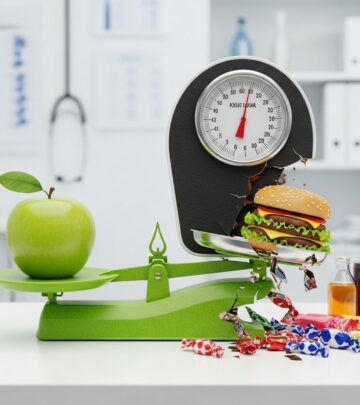
Despite overwhelming advice on how to lose weight, Americans continue to spend billions on diet products while rates of overweight and obesity keep climbing. Why? One major reason: weight loss myths that distort our understanding and sabotage real results. This article explores the most pervasive dieting fallacies, revealing what science and registered dietitians say actually works for managing weight long-term.
What Are Weight Loss Myths?
Weight loss myths are widely held but false beliefs about dieting, exercise, and nutrition habits. These misconceptions can lead you astray, slow your progress, and set you up for failure—or worse, harm your health.
- They are promoted by commercial interests, anecdotal evidence, and outdated or misinterpreted research.
- Myths often offer quick fixes or oversimplified solutions.
- They ignore sustainable lifestyle changes supported by credible evidence.
1. Myth: Eating Breakfast Is Essential for Weight Loss
Fact: Skipping breakfast does not automatically lead to weight gain or sabotage fat loss. Some studies suggesting breakfast eaters lose more weight have industry biases—funded by cereal makers, for instance. Meta-analyses show no reliable difference in weight loss between breakfast eaters and skippers. What actually matters is making consistent, healthy food choices and listening to hunger cues.
- If you don’t eat breakfast regularly, keep a nutritious snack handy for when hunger strikes so you’re not tempted by fast food.
- Breakfast can be helpful if it prevents overeating later in the day, but it’s not a universal requirement.
2. Myth: Strength Training Will “Bulk Me Up”
Fact: Strength training helps you develop lean muscle, which is denser than fat and takes up less space—not more. You will look firmer, smaller, and more fit, even if the scale doesn’t budge much. Muscle is also more metabolically active, so it boosts your daily calorie burn. Women, in particular, don’t naturally bulk up like bodybuilders from lifting weights because of hormonal differences.
- Strength training can increase your resting metabolic rate—one study found lifting heavier weights for just 3-6 reps increased overnight calorie burn by 8%.
- Building muscle supports fat loss and long-term health.
3. Myth: You Can Lose Weight Eating Anything as Long as You Watch Calories
Fact: Not all calories are created equal. While calorie balance is important, the types of foods you choose influence satiety, energy, digestion, and overall health. Highly processed foods, for instance, can promote cravings and overeating, while whole foods provide sustained energy and nutrients.
- Quality matters. Eat real, minimally processed foods whenever possible.
- Consider how sugary, high-fat, or low-fiber foods impact appetite and health.
4. Myth: You Burn Tons of Calories Exercising, So You Can Eat More
Fact: While exercise does burn calories, its impact is often overestimated. Many people experience increased hunger and end up rewarding themselves with extra food, a phenomenon known as the “halo effect.” In reality, dietary habits drive the bulk of weight loss.
- Stay aware of what you eat post-workout; don’t confuse thirst for hunger.
- Exercise is crucial for heart health, fitness, and well-being but is not a license to eat anything you want.
5. Myth: It’s Harder for Women to Lose Weight Than Men
Fact: While men may lose weight faster initially due to higher muscle mass and metabolism, research shows that women can achieve similar long-term results with consistent strategies. Individual differences, not gender alone, determine outcomes.
- Hormones, lifestyle, and adherence to habits play more significant roles than gender.
6. Myth: You Should Eat the Same Number of Calories Every Day
Fact: Varying your calorie intake—through approaches like intermittent fasting or periodic calorie reduction—can help reset hunger cues. Studies show intermittent fasting works as well as traditional daily caloric restriction for fat loss.
- On “fast” days, people usually don’t overcompensate by overeating on non-fasting days.
- If interested, try restricting calories one day a week and monitor your response.
Table: Comparing Popular Weight Loss Myths vs. Reality
| Myth | Reality |
|---|---|
| Breakfast is essential for weight loss | Skipping breakfast isn’t harmful if overall diet remains healthy |
| Exercise lets you eat anything | Calories from food often exceed those burned by exercise |
| Strength training bulks you up | Builds lean muscle, increases metabolism |
| All calories are equal for weight loss | Food quality affects health, appetite, and body composition |
| Same calorie intake daily is best | Periodic calorie variation like fasting can aid fat loss |
7. Myth: You Have to Ban Carbs to Lose Weight
Fact: Carbohydrates are not inherently fattening. While reducing refined carbohydrates can benefit weight and health, banning all carbs is unnecessary and potentially harmful. Focus on complex carbs like whole grains, sweet potatoes, and oats.
- Use the MyPlate method: Half your plate fruits/veggies, a quarter whole grains, a quarter lean protein.
- Extreme carb restriction can cause cravings and weight regain.
8. Myth: Natural Sugar Isn’t Really Sugar
Fact: Honey, agave, and maple syrup may have trace antioxidants, but they’re still metabolized as sugar in the body. “Natural” sweeteners count toward your total sugar intake and can affect blood sugar and calories similarly to refined sugar.
- Don’t treat honey or agave as health foods. Use all sweeteners in moderation.
- Focus on reducing added sugar overall; fruit is a healthy source of natural sugar within limits.
9. Myth: High-Fat Foods Are Bad for You
Fact: Healthy fats support satiety and nutrient absorption. Diets that include unsaturated fats—like walnuts, olive oil, and avocados—can help manage weight, reduce hunger, and lower chronic disease risk. It’s total calories, not grams of fat, that count most.
- Replacing saturated fat with unsaturated fat can lower your risk of death by up to 27%.
- Fat helps you enjoy meals and stay full longer.
10. Myth: Weighing Yourself Daily Guarantees Weight Loss
Fact: Daily weigh-ins can help some people as a form of accountability, yet for many, fluctuations can be discouraging and misleading. Weight can change due to water retention, hormonal shifts, and other factors unrelated to fat loss.
- Looking at trends over time is more helpful than obsessing over daily numbers.
- Consider other measures of progress, like waist circumference or how clothes fit.
11. Myth: Weight Loss Surgery Is the “Easy Way Out”
Fact: Weight loss surgery is a serious medical intervention, not a shortcut. Most patients must still follow strict dietary and lifestyle changes post-surgery for lifelong results.
- Surgery is recommended for certain medical conditions and BMI ranges.
- Psychological preparedness and support are vital for success.
12. Myth: Intermittent Fasting Is Universally the Best Way to Lose Weight
Fact: Intermittent fasting works for some, but not for everyone. Changing when you eat won’t guarantee success; what you eat and overall calorie balance remain most important.
- Find a plan that fits your lifestyle and preferences for long-term adherence.
- Consult a medical professional before starting any new fasting routine, especially if you have underlying health conditions.
Frequently Asked Questions (FAQs)
Q1: Should I eat breakfast if I’m not hungry?
If you’re not hungry, you don’t need to force breakfast. Prioritize healthy choices and avoid skipping meals if it leads to overeating later in the day.
Q2: Will lifting weights make me bulky?
No, strength training builds lean, dense muscle that helps you look fitter and burn more calories. Significant bulk requires specific genetic, hormonal, and training conditions unlikely for most people.
Q3: Are all carbs bad for weight loss?
No, whole carbohydrates like vegetables, whole grains, and fruits provide fiber and essential nutrients. Limit refined and processed carbs to manage blood sugar and cravings.
Q4: Can I lose weight just by exercising?
Exercise supports health and weight management, but dietary intake has a bigger role in fat loss. Balance both to achieve the best results.
Q5: Are healthy fats safe to eat while losing weight?
Yes. Moderate intake of unsaturated fats (from sources like nuts and olive oil) can help sustain energy and satisfaction from meals.
Q6: Is weighing myself daily helpful?
It can help some people stay accountable, but don’t get discouraged by normal fluctuations. Focus on sustainable habits and overall progress.
Q7: Should I try intermittent fasting?
Intermittent fasting is one option for managing calories. If interested, consult your health provider to determine the best approach for you.
SEO-Optimized Tips for Healthy Weight Loss
- Choose minimally processed foods rich in fiber, protein, and healthy fats.
- Track your intake and monitor trends, not just daily outcomes.
- Prioritize meal satisfaction and hunger cues over rigid meal timing.
- Incorporate strength training and cardiovascular movement regularly.
- Limit added sugars, refined grains, and saturated fats in favor of natural, nutrient-dense options.
- Experiment with different eating patterns to find what suits your lifestyle.
Summary Table: Fact-Checking Top Weight Loss Myths
| Myth | Expert Verdict |
|---|---|
| Breakfast is mandatory | Optional; depends on personal preference and hunger |
| Strength training causes bulk | Develops lean muscle, not bulk for most people |
| Banning carbs is required | Whole carbs are healthy; refined carbs should be limited |
| Natural sugars are healthy | All sugars should be consumed in moderation |
| High-fat foods are bad | Healthy fats promote satiety and heart health |
| Same calories every day | Varying intake can be beneficial |
Conclusion: Debunk to Succeed
Weight loss is a highly personal journey, influenced by genetics, lifestyle, and individual needs. The most effective path avoids trendy restrictions or myth-based strategies and embraces a holistic focus on real foods, varied exercise, proper mindset, and flexibility. When in doubt, consult credentialed professionals and rely on credible science—not fads—to reach your goals and build lifelong health.
References
- https://www.prevention.com/weight-loss/a20467668/5-myths-about-weight-loss-that-are-holding-you-back/
- https://www.prevention.com/weight-loss/a20478047/10-diet-and-fitness-rumors-that-slow-weight-loss/
- https://www.prevention.com/weight-loss/a20496676/nutrition-myths/
- https://www.prevention.com/weight-loss/a20471253/surprising-weight-loss-myths/
- https://www.prevention.com/weight-loss/g20514096/metabolic-myths-holding-you-back-from-fat-loss/
- https://www.prevention.com/weight-loss/a30393486/weight-loss-surgery-myths/
- https://www.prevention.com/food-nutrition/a62823922/intermittent-fasting-myths/
- https://www.prevention.com
- https://www.prevention.com/weight-loss/g20494587/25-worst-diet-tips-ever/
Similar Articles






Read full bio of Sneha Tete


