
Are Low-Carb Diets Still Popular? Weight Loss, Health, and the Latest Evidence
Exploring the rise, fall, and science behind low-carb diets for weight loss, health, and lasting results.
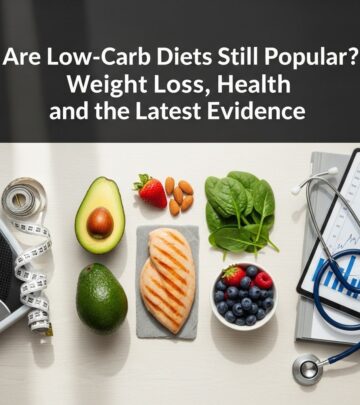
Are Low-Carb Diets Still Trending?
Low-carb diets, once the center of every diet trend list, have experienced a noticeable ebb in their popularity. In the early 2000s, the Atkins and South Beach diets dominated headlines, promising rapid weight loss through carb restriction. However, the spotlight has shifted in recent years, with calorie counting and balanced eating plans taking precedence among health influencers and diet mavens. This article explores the history, science, and current status of low-carb diets—examining what works, what doesn’t, and whether these diets are still a smart choice for sustainable weight loss and health.
The Rise and Fall of Low-Carb Diet Hype
Low-carb diets surged in popularity during the early 2000s, thanks in large part to the Atkins and South Beach diet books. These plans promised quick fat loss by drastically reducing carbohydrate intake, shifting the body’s metabolism toward fat as its primary energy source. For a time, “carbs are out” became a mantra, echoing in gyms, offices, and breakfast tables everywhere. Yet, as with most diet trends, enthusiasm waned as new approaches—focusing on calories, macros, and more flexible eating—rose to prominence.
Recent commentary in health media highlights a shift: “Calories are in; carbs are out,” reflects the new priorities of many weight loss seekers. Despite this, low-carb diets continue to have a dedicated following, especially among those seeking quick results or managing health conditions like type 2 diabetes.
How Low-Carb Diets Work
Low-carb diets operate on a simple principle: by reducing carbohydrate intake (typically to less than 45% of total calories), the body is forced to burn stored fat for energy instead of glucose derived from carbs. This process, especially in very low-carb plans like the ketogenic diet, can lead to ketosis, a metabolic state associated with accelerated fat loss. Popular low-carb plans include:
- Atkins Diet: High-protein, high-fat, very low carb, with phased reintroduction of carbs over time.
- Keto Diet: Extremely low carb (5% of calories), moderate protein, high fat—promotes rapid ketosis.
- Paleo Diet: Focuses on foods our ancestors ate, eliminating processed foods, grains, and sugar.
- Whole30: A short-term reset that excludes sugar, grains, dairy, and legumes for 30 days.
The Science Behind Low-Carb Diets and Weight Loss
Short-term studies consistently show that low-carb diets can be effective for weight loss, often matching or surpassing the results of low-fat diets. A meta-analysis in Nutrition, Metabolism and Cardiovascular Diseases reviewed decades of research and found that both low-carb and low-fat diets can help people shed pounds, with low-carb diets potentially offering a slight edge for reducing abdominal fat. However, the gap between the two strategies tends to narrow over time.
What’s less clear is why low-carb diets work. Theories include reduced calorie intake due to appetite suppression, improved satiety from higher protein and fat, and metabolic changes that favor fat burning. But despite their popularity, the long-term effects and mechanisms remain areas of active research.
Low-Carb Diets and Health: Benefits Beyond Weight Loss
Beyond weight loss, low-carb diets may offer several health benefits:
- Heart Health: Contrary to earlier concerns, recent research suggests low-carb diets (less than 45% of calories from carbs) may lower cardiovascular disease risk, especially when carbs are replaced with healthy fats and proteins.
- Blood Sugar Control: For people with type 2 diabetes, low-carb diets have been shown to improve blood glucose management and even lead to diabetes remission in some cases. A study published in BMJ Nutrition, Prevention & Health found that over half of participants achieved sustained remission after adopting a low-carb approach (less than 130g carbs per day).
- Inflammation Reduction: Cutting out refined carbohydrates and sugars may reduce systemic inflammation, a risk factor for chronic disease.
However, it’s important to note that not all low-carb diets are created equal. Diets emphasizing vegetables, healthy proteins, and unsaturated fats are more likely to yield health benefits than those high in processed meats and saturated fats.
Potential Risks and Drawbacks
While low-carb diets offer benefits, they are not without downsides:
- Nutrient Deficiencies: Overly restrictive plans may lack essential vitamins, minerals, and fiber found in whole grains, fruits, and legumes.
- Side Effects: Early phases of very low-carb diets (like keto) can cause fatigue, headaches, and irritability—often called the “keto flu”.
- Sustainability: Low-carb diets, especially those that strictly limit food groups, can be difficult to maintain long-term. Many people eventually regain lost weight when they return to previous eating habits.
- Social and Lifestyle Challenges: Eating out, family meals, and social gatherings can become challenging when strict carb limits are in place.
Quality Over Quantity: The Importance of Smart Carbohydrates
The latest dietary advice emphasizes not just cutting carbs, but choosing them wisely. “It’s not so much a matter of low carb but choosing a smart carb diet,” says registered dietician Tiffani Buchus.
Focusing on high-fiber, nutrient-rich carbohydrates—like vegetables, beans, legumes, fruits, and whole grains—can improve digestion, increase satiety, and support long-term health. These foods also help prevent the blood sugar spikes and crashes associated with refined carbs.
Portion control is key: A well-balanced plate might look like 25% protein, 25% high-fiber carbs, and 50% vegetables, according to nutritionists. This approach allows for flexibility and enjoyment of food while still supporting weight loss and health.
The Most Popular Low-Carb Diets Explained
| Diet | Carb Limit | Allowed Foods | Excluded Foods | Duration |
|---|---|---|---|---|
| Keto | 5% of calories | Meat, fish, eggs, cheese, low-carb veggies, fats/oils | Grains, sugar, most fruits, beans | Indefinite |
| Atkins | 20–40g (initially), then gradually increase | Meat, eggs, cheese, above-ground veggies, healthy fats | Grains, sugar, fruits (initially) | Indefinite |
| Paleo | No strict limit, but low overall | Meat, fish, eggs, vegetables, fruits, nuts, seeds | Grains, dairy, legumes, processed foods | Indefinite |
| Whole30 | No strict limit, but eliminates many carb sources | Vegetables, fruits, healthy fats, meat, fish, eggs | Grains, dairy, legumes, added sugar, alcohol | 30 days |
Who Should Consider a Low-Carb Diet?
Low-carb diets may be a good fit for:
- Those with Type 2 Diabetes: Evidence suggests improved blood sugar control and weight loss.
- People Seeking Short-Term Weight Loss: Low-carb plans can jumpstart fat loss, though long-term adherence is key for lasting results.
- Individuals with Metabolic Syndrome: May benefit from reduced triglycerides and improved HDL cholesterol.
However, they may not be suitable for everyone, especially athletes, pregnant or breastfeeding women, or those with certain medical conditions without medical supervision.
FAQs: Low-Carb Diets Explained
Do Low-Carb Diets Work for Everyone?
Low-carb diets can be effective for weight loss and metabolic health, but results vary. Genetics, lifestyle, and personal preferences all play a role in how well someone responds to carb restriction.
Are Low-Carb Diets Safe for Heart Health?
Recent research suggests that low-carb diets can be heart-healthy if they emphasize vegetables, healthy proteins, and unsaturated fats. Older concerns about saturated fat intake may be overstated, but quality of food matters.
Can You Eat Carbs and Still Lose Weight?
Yes—portion control and choosing high-fiber, nutrient-dense carbs (like whole grains, fruits, and legumes) can support weight loss and health without eliminating carbs entirely.
Is the Keto Diet the Same as a Low-Carb Diet?
The keto diet is a stricter form of low-carb eating, designed to induce ketosis. Most low-carb diets are less restrictive and focus on overall carbohydrate reduction rather than a specific metabolic state.
How Long Should You Stay on a Low-Carb Diet?
There is no set rule—some people follow low-carb diets long-term, while others use them for short-term goals. Sustainability and health should guide your decision.
Will I Regain Weight After Stopping?
Returning to previous eating habits often leads to weight regain. For lasting results, focus on sustainable, balanced eating patterns.
Looking Ahead: The Future of Low-Carb Diets
While the low-carb craze may have peaked, these diets remain a viable tool for weight loss and metabolic health—especially when personalized and focused on food quality. Emerging research continues to refine our understanding of who benefits most and how to implement these strategies for long-term success.
Ultimately, the best diet is the one you can maintain, enjoy, and that supports your overall health. Whether you choose to go low-carb or not, prioritizing whole foods, portion control, and enjoyment of eating will always be in style.
References
- https://www.prevention.com/health/a20470511/low-carb-diets-may-lower-heart-disease-risk/
- https://www.prevention.com/weight-loss/diets/a65255830/low-carb-diets-weight-loss/
- https://www.prevention.com/weight-loss/a20512194/everything-you-need-to-know-before-you-go-on-a-low-carb-diet/
- https://www.prevention.com/health/health-conditions/a42445274/study-low-carb-diet-helps-type-2-diabetes-management/
- https://pmc.ncbi.nlm.nih.gov/articles/PMC9621749/
- https://www.prevention.com/weight-loss/diets/g21764082/keto-diet-side-effects/
- https://www.prevention.com/food-nutrition/a64904808/quality-carbohydrates-healthy-aging-longevity-study/
- https://www.prevention.com/weight-loss/diets/a20461627/low-carb-diets-and-weight-loss-0/
- https://www.prevention.com/food-nutrition/healthy-eating/g24663294/low-sugar-fruits/
- https://www.prevention.com/weight-loss/diets/a20429972/low-carb-diets/
Similar Articles








Read full bio of medha deb


