
How to Build Weight Loss Into Your Busy Schedule
Discover practical strategies, expert insights, and science-backed routines for integrating lasting weight loss into everyday life.

Weight loss doesn’t have to mean overhauling your life overnight or giving up everything you love. Instead, sustainable weight loss is about strategic changes, smart scheduling, and embracing proven habits that fit your busy routine. This guide synthesizes expert recommendations and practical tactics to help you lose weight steadily—without feeling overwhelmed.
Why Scheduling Matters for Weight Loss
Successful weight loss is less about willpower and more about structure and consistency. Whether you’re juggling work, family, or social obligations, deliberate scheduling puts you in control, allowing for healthier choices in all aspects of your day.
- Creates consistency: Scheduled routines foster habit formation.
- Reduces decision fatigue: When meals and activity are planned, it’s easier to stay on track.
- Maximizes metabolic benefits: Eating and exercising at optimal times can help your body burn fat more efficiently.
The Intermittent Fasting Approach
Among time-management strategies for weight loss, intermittent fasting stands out for its simplicity and proven results. The method advocated here centers on time-restricted eating—mainly an eight-hour window of eating followed by 16 hours of fasting daily.
Understanding the Eating Zones
- Blue Zone (Eating Window): Eat all your meals and snacks within an 8-hour period. Experts suggest aligning this window with morning and midday hours, as the body is more insulin-sensitive and better at burning calories earlier in the day.
- Red Zone (Fasting Window): For the remaining 16 hours, only consume water, unsweetened coffee, or tea. Your body switches to fat burning during this phase— uninterrupted fasting here is crucial to maximize results.
The approach doesn’t require calorie counting but emphasizes mindful food choices. Consistency (not dropping the plan on weekends) helps your body adapt and see real, lasting change.
How to Structure a Weight-Loss Friendly Day
Time your meals, snacks, and movement based on science-backed strategies to burn more calories and control hunger:
| Time | Activity | Benefits |
|---|---|---|
| 07:00 AM | Light exercise (jumping jacks, push-ups) | Activates metabolism early |
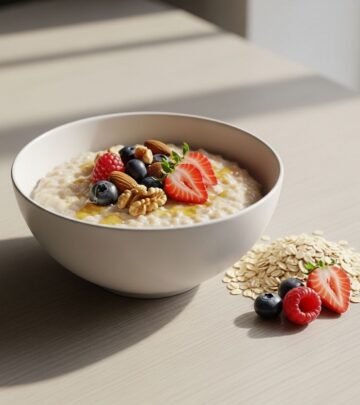
| 07:15 AM | High-protein breakfast | Keeps you full, curbs overeating |
| 09:00 AM | Calcium-rich beverage | Supports fat loss |
| 10:00 AM | Protein snack | Boosts energy, prevents cravings |
| 11:00 AM | Brisk walk | Burns calories passively |
| 01:00 PM | Nutritious lunch (lean proteins, whole grains) | Sustained energy |
| 02:00 PM | Walk-and-talk meeting | Adds more physical activity |
| 04:00 PM | Iced green tea | Help decrease body fat (catechins) |
Building a Healthier Plate
Every meal should be designed to keep you full, energized, and nutritionally satisfied during both eating and fasting windows.
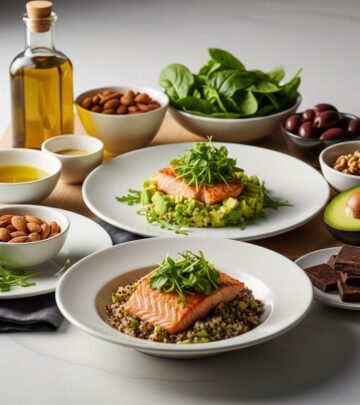
- 50% Healthy Fats: Avocado, olive oil, nuts.
- 30% Carbohydrates: Mostly from vegetables and whole grains.
- 20% Protein: Chicken, eggs, salmon, Greek yogurt.
Sample meals for your eight-hour eating window: Greek salads, portobello mushroom pizza, cashew chicken with vegetables. Avoid heavily processed foods, refined sugars, and saturated fats; fill up on vibrant, nutrient-dense selections.
Staying Hydrated: A Simple Secret
Hydration is often overlooked during time-restricted eating. Carry a water bottle, set digital reminders, and make water, coffee, or unsweetened tea your main drinks during the fasting phase. Staying hydrated staves off fatigue and hunger pangs, especially during the Red Zone.
What to Avoid During Scheduled Eating
- Refined sugars: Sodas, candy, and desserts can lead to energy crashes and increased cravings.
- Highly processed carbs: White bread, chips, and baked goods spike blood sugar.
- Saturated fats: Limit fatty cuts of meat, fried foods, and butter.
With just eight hours to feed your body, optimize every meal for energy, satisfaction, and nutrition.
Planning Ahead: Meal Preparation for Busy Days
Advance planning makes sticking to your eating window easier and reduces temptation. Strategies for effective meal preparation include:
- Batch-cooking healthy proteins and grains.
- Washing and pre-cutting vegetables for quick meal assembly.
- Portioning snacks (nuts, seeds, fruit) in grab-and-go containers.
Set aside dedicated time each week to prep. This ensures that nutritious options are always easily accessible, minimizing reliance on convenience foods.
Fitting Exercise Into Your Schedule
Incorporate movement strategically throughout your day—not just in designated workout slots. Research suggests that regular incidental activity (walking, taking stairs, stretching breaks) is as important as gym sessions for sustained fat loss.
- Set reminders to move every hour (walk around, stretch, do brief strength exercises).
- Choose active commuting methods (walk/bike where possible).
- Pair movement with social or work activities (walking lunch meetings, standing phone calls).
Strength training further boosts metabolism by increasing muscle mass, while aerobic exercise heats up calorie burning.
Expert Tips for Sustainable Success
- Stay flexible. If your day gets off track, make your next choice healthy. Consistency—not perfection—is crucial.
- Track habits, not calories. Use journals or apps to monitor eating windows, exercise, and hydration.
- Prioritize sleep and stress management. Both poor sleep and chronic stress can undermine even the best weight loss plans.
- Find accountability. Partner with friends, family, or coaches for support.
Frequently Asked Questions (FAQ)
Q: Do I have to eat breakfast to lose weight?
A: Not necessarily. If you use intermittent fasting, breakfast may fall outside your eating window. However, meals with protein and fiber early in the day can help with fullness and healthy decision-making if you do eat breakfast.
Q: Will intermittent fasting slow down my metabolism?
A: Research indicates that short-term intermittent fasting doesn’t harm metabolism. Consistent time-restricted eating can actually improve insulin sensitivity and calorie burning, especially when paired with movement.
Q: How do I prevent cravings during fasting?
A: Eating balanced, satisfying meals and staying hydrated during your eating window is key. Protein, fiber, and healthy fats help curb hunger. Distracting yourself with activities or light exercise can also help.
Q: Is it okay to drink coffee or tea during the fasting period?
A: Yes, unsweetened coffee or tea is allowed, and can help curb appetite. Avoid adding sugar or milk during fasting hours.
Q: How much exercise do I need to support weight loss?
A: The recommended minimum is 150 minutes of moderate-intensity exercise per week, plus two days of strength training. Even small, frequent activities throughout the day can help substantially.
Sample Schedule for Busy Professionals
Here’s how a packed day might look with weight loss scheduled in:
- 7:00 AM: Brief home workout (jumping jacks, squats).
- 8:00-10:00 AM: Eating window opens—protein-rich breakfast, coffee.
- 1:00 PM: Lunch—lean protein, whole grains, salad.
- 3:30 PM: Light snack—nuts, yogurt, fruit.
- 4:00 PM: Green tea, hydration.
- 4:30 PM: Eating window closes—begin fasting period.
- Throughout the day: Walks during breaks, stretch, take stairs.
Overcoming Common Challenges
- Busy mornings: Pre-pack breakfast the night before.
- Social situations: Assertively communicate your eating window, plan smart food choices in advance.
- Unexpected schedule changes: Keep healthy snacks (nuts, seeds, fruit) on hand for flexibility.
- Boredom eating: Replace snacking with a walk, call, or non-food activity.
Key Takeaways
- Schedule your eating and movement for reliable weight loss results.
- Embrace an eight-hour eating window with nutritious meals; fill the rest of the day with hydration and light activity.
- Prep meals and snacks ahead of time and optimize every bite for energy and satisfaction.
- Stay flexible, hydrated, and focused on habit—not perfection.
Additional Resources
- Best Diets for Weight Loss: Get science-backed recommendations.
- Foods for Weight Loss: See healthy meal inspiration.
- Walking for Weight Loss: Learn expert strategies for adding movement[10].
- CDC Steps to Lose Weight: Explore government-endorsed weight loss guidelines.
References
- https://www.prevention.com/weight-loss/diets/a30159654/19-day-weight-loss-plan/
- https://www.prevention.com/weight-loss/diets/a60578947/how-to-lose-weight-fast-safely/
- https://www.prevention.com/weight-loss/g20482528/this-is-your-perfect-day-for-weight-loss/
- https://www.prevention.com/weight-loss/
- https://www.prevention.com/weight-loss/diets/a63174975/best-diets-for-weight-loss-2025/
- https://www.prevention.com
- https://www.prevention.com/food-nutrition/
- https://www.prevention.com/health/a65401665/expert-walking-tips-weight-loss/
- https://www.cdc.gov/healthy-weight-growth/losing-weight/index.html
- https://www.prevention.com/walk-off-weight/
Similar Articles






Read full bio of Sneha Tete


