
GOLO Diet for Weight Loss: A Complete Guide to Results
Discover how the GOLO Diet balances insulin for sustainable weight loss

The GOLO Diet has emerged as a popular weight loss approach that promises sustainable results by focusing on a unique angle: managing insulin levels to boost metabolism and promote fat burning. Unlike restrictive fad diets that leave you hungry and deprived, this eating plan emphasizes balanced nutrition with whole, unprocessed foods that nourish your body while supporting healthy weight loss. But does it really deliver on its promises? This comprehensive guide explores everything you need to know about the GOLO Diet, from how it works to what you can eat, along with its potential benefits and drawbacks.
Understanding the GOLO Diet and Its Core Principles
The GOLO Diet represents a holistic approach to weight management that diverges from traditional calorie-counting methods. Developed by a team of doctors, pharmacists, and researchers, this plan centers on the belief that insulin resistance and hormonal imbalances are primary culprits behind stubborn weight gain and difficulty losing fat. The diet’s name itself reflects its focus on ”Go Lose” weight through metabolic optimization.
At its foundation, the GOLO Diet operates on the principle that managing insulin levels is crucial for effective weight loss. When insulin levels remain chronically elevated due to poor dietary choices and blood sugar spikes, your body enters a state that promotes fat storage rather than fat burning. By stabilizing these levels through strategic food choices, the diet aims to shift your metabolism into a more efficient state where your body can access stored fat for energy.
The program consists of three primary components working in synergy. First is the GOLO Release supplement, a proprietary blend of plant extracts and minerals designed to support insulin management and metabolic function. Second is the GOLO Rescue Plan guidebook, which provides detailed instructions on creating balanced meals tailored to your personal metabolic rate. Third is access to an online community offering meal plans, health assessments, coaching support, and educational resources to keep you motivated throughout your journey.
What distinguishes GOLO from many other weight loss programs is its promise that followers can actually eat 20-30% more food than on conventional diets. This counterintuitive claim rests on the idea that by optimizing your metabolism through insulin management and nutrient-dense food choices, your body becomes more efficient at utilizing calories for energy rather than storing them as fat.
The Science Behind Insulin Management and Weight Loss
The GOLO Diet’s emphasis on insulin management is grounded in legitimate metabolic science. Insulin serves as a critical hormone that regulates how your body processes and stores nutrients, particularly carbohydrates. When you consume foods that cause rapid blood sugar spikes—such as refined carbohydrates and sugary items—your pancreas releases large amounts of insulin to shuttle that glucose into cells.
Over time, frequent insulin spikes can lead to insulin resistance, a condition where your cells become less responsive to insulin’s signals. This forces your pancreas to produce even more insulin to achieve the same effect, creating a vicious cycle. Elevated insulin levels signal your body to store fat rather than burn it, making weight loss increasingly difficult. Additionally, insulin resistance often leads to increased hunger, cravings, and energy crashes that sabotage weight loss efforts.
Research supports the connection between low glycemic diets—those that minimize blood sugar and insulin spikes—and improved weight management. Studies have demonstrated that eating patterns focused on foods with minimal impact on blood glucose can enhance fat burning, improve metabolism, and support sustainable weight loss. The GOLO Diet applies these principles by encouraging consumption of whole foods with lower glycemic impact while avoiding processed items that destabilize blood sugar.
Beyond weight loss, managing insulin levels offers broader health benefits. Regular exercise combined with strategic nutrition can reduce blood sugar levels in both diabetic and non-diabetic individuals, improving overall metabolic health. By addressing insulin resistance at its root, the GOLO approach potentially benefits cardiovascular health, energy levels, and long-term disease prevention.
What You Can Eat on the GOLO Diet
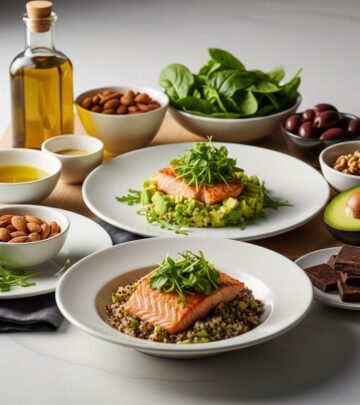
One of the most appealing aspects of the GOLO Diet is its flexibility and focus on real, whole foods rather than meal replacements or highly restrictive rules. The eating plan revolves around the GOLO Metabolic Fuel Matrix, which organizes foods into four distinct fuel groups: proteins, carbohydrates, vegetables, and fats. The structure is refreshingly straightforward—you simply combine 1-2 standard servings from each fuel group at every meal to create balanced, satisfying plates.
Protein Options: The diet encourages a variety of protein sources to support muscle maintenance and satiety. Acceptable choices include eggs, lean meats, poultry, seafood, nuts, and dairy products. These proteins provide essential amino acids while helping you feel full between meals, reducing the likelihood of snacking on less nutritious options.
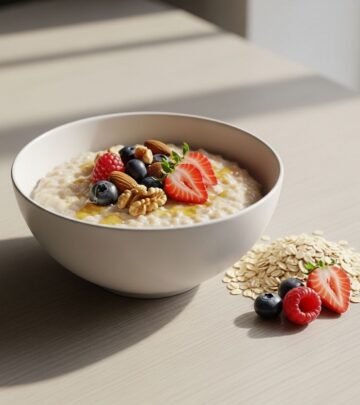
Carbohydrate Selections: Rather than eliminating carbohydrates entirely, GOLO focuses on nutrient-dense, fiber-rich options that have a gentler impact on blood sugar. Your carbohydrate fuel group includes berries and other fruits, yams, butternut squash, sweet potatoes, white potatoes, beans, legumes, and whole grains. These complex carbohydrates provide sustained energy without causing the dramatic insulin spikes associated with refined grains and sugars.
Vegetable Choices: Vegetables form a cornerstone of the GOLO Diet, with an emphasis on nutrient-dense, non-starchy options. Leafy greens like spinach, kale, and arugula are highly encouraged, along with cruciferous vegetables such as broccoli, Brussels sprouts, and cauliflower. Other approved vegetables include celery, cucumbers, and zucchini—all packed with vitamins, minerals, fiber, and antioxidants while being naturally low in calories.
Healthy Fats: The diet recognizes that dietary fats play essential roles in hormone production, nutrient absorption, and satiety. Approved fat sources include olive oil, coconut oil, nuts, chia seeds, hemp seeds, flaxseeds, and GOLO-branded salad dressing. These healthy fats help meals feel more satisfying while supporting various metabolic processes.
The meal structure is designed to be intuitive rather than overly complicated. You’ll eat three main meals daily, with each meal incorporating your chosen portions from all four fuel groups. An interesting feature is the ”fit points” system—engaging in exercise earns you additional points that can be exchanged for extra snacks or larger portions throughout the day, creating a built-in incentive for physical activity.
The GOLO Release Supplement: What’s Inside
A distinctive component of the GOLO program is the Release supplement, which the company positions as a crucial element for achieving optimal results. This proprietary formula contains a blend of plant extracts and minerals specifically selected for their potential effects on insulin regulation, metabolism, and appetite control. The supplement is intended to work synergistically with the dietary guidelines to enhance your body’s natural metabolic processes.
According to GOLO’s marketing materials, the Release supplement helps regulate blood sugar levels, increase energy expenditure, and reduce hunger and cravings—all factors that can significantly impact weight loss success. The formula aims to support your body’s insulin response, theoretically making it easier to maintain stable blood sugar throughout the day and avoid the energy crashes that often lead to poor food choices.
However, it’s important to note that while the company promotes these benefits, the supplement itself has limited independent scientific validation. The specific combination and dosages of ingredients in Release have not been extensively studied in peer-reviewed research, which means its effectiveness relies largely on anecdotal evidence and the company’s own claims rather than robust clinical trials.
Potential Benefits of Following the GOLO Diet
Emphasis on Whole, Nutrient-Dense Foods: Perhaps the most significant advantage of the GOLO Diet is its focus on unprocessed, whole foods. By prioritizing lean proteins, vegetables, fruits, whole grains, and healthy fats, the diet naturally provides a rich array of vitamins, minerals, antioxidants, and fiber—all essential for optimal health. This approach stands in stark contrast to many processed food-heavy modern diets that leave nutritional gaps despite adequate calorie intake.
Sustainable and Balanced Approach: Unlike extreme diets that require eliminating entire food groups or severely restricting calories, GOLO promotes balance and flexibility. This makes it considerably easier to maintain over the long term, which is crucial since sustainable lifestyle changes produce better results than short-term dietary interventions. The ability to eat satisfying portions from all major food groups reduces feelings of deprivation that often lead to diet abandonment.
May Improve Metabolic Health: By addressing insulin management through both dietary strategies and supplementation, the GOLO Diet may offer benefits beyond weight loss. Improved insulin sensitivity can positively affect various aspects of metabolic health, including blood sugar control, inflammation levels, and cardiovascular risk factors. Regular exercise combined with the diet’s nutritional principles has been shown to reduce blood sugar levels in both diabetic and non-diabetic populations.
Educational Value: The program provides substantial guidance on creating balanced meals, which can be particularly valuable for individuals with limited nutritional knowledge. The simple framework of combining portions from four fuel groups makes meal planning straightforward and helps develop an intuitive understanding of balanced nutrition that extends beyond the diet itself.
Promotes Mindful Eating: GOLO encourages paying attention to your body’s hunger and satiety signals rather than rigidly adhering to predetermined meal sizes or eating schedules. This mindful approach can help foster a healthier relationship with food and develop eating patterns that naturally align with your body’s actual needs.
Built-in Support System: Access to an online community, meal plans, and coaching support provides accountability and motivation that can be critical for long-term success. Having resources readily available when challenges arise increases the likelihood of sticking with the program through inevitable obstacles.
Drawbacks and Considerations
Higher Grocery Costs: Emphasizing fresh, whole foods inevitably increases food expenses compared to diets heavy in processed, convenience items. Quality proteins, fresh produce, and healthy fats typically cost more than their processed counterparts, which can strain budgets, especially for larger families. This financial barrier may make the diet less accessible to individuals with limited resources.
Limited Independent Research: While the dietary principles underlying GOLO align with established nutrition science, the program itself—particularly the Release supplement—lacks extensive independent validation through peer-reviewed clinical trials. Most evidence supporting the diet’s effectiveness comes from company-sponsored research or anecdotal testimonials rather than rigorous scientific studies conducted by unaffiliated researchers.
Supplement Dependency: The program’s heavy emphasis on the Release supplement raises questions about whether the dietary changes alone would produce similar results. This creates ongoing costs and potential dependency on a product whose specific benefits remain scientifically unproven. Some nutrition experts argue that managing insulin through diet and exercise alone should be sufficient without supplementation.
Initial Learning Curve: Individuals accustomed to processed foods or those unfamiliar with whole-food cooking may face a significant adjustment period. Learning to prepare balanced meals, understanding portion sizes across different food groups, and developing new shopping and cooking habits requires time and effort that can feel overwhelming initially.
Potential for Confusion: While the fuel group system aims for simplicity, some users may find the serving size variations confusing. A serving might range from one tablespoon of oil to three ounces of protein, which requires careful attention and potentially measuring tools until you develop an intuitive sense of appropriate portions.
Who Might Benefit Most from the GOLO Diet
The GOLO Diet may be particularly well-suited for individuals struggling with insulin resistance or prediabetes, as the program’s core focus directly addresses these metabolic challenges. People who have experienced difficulty losing weight despite trying various diets might find success with GOLO’s emphasis on hormonal balance rather than simple calorie restriction.
Those seeking a structured yet flexible eating plan that doesn’t require eliminating favorite foods entirely may appreciate GOLO’s balanced approach. The diet can work well for individuals who prefer clear guidelines and frameworks rather than completely intuitive eating, yet still want flexibility within those parameters.
However, the diet may be less appropriate for individuals on tight budgets who cannot afford higher grocery costs or ongoing supplement purchases. Those with specific medical conditions, particularly anyone taking medications that affect blood sugar or insulin levels, should consult healthcare providers before starting the program, as dietary changes and supplements could interact with medications.
Creating Your GOLO Meal Plan
Implementing the GOLO Diet begins with understanding how to construct balanced meals using the Metabolic Fuel Matrix. A typical breakfast might combine eggs (protein) with whole grain toast (carbs), avocado slices (fat), and sautéed spinach (vegetables). This combination provides sustained energy without causing blood sugar spikes that lead to mid-morning crashes and cravings.
For lunch, you might prepare a salad with grilled chicken breast (protein), mixed greens and cucumbers (vegetables), quinoa (carbs), and an olive oil-based dressing (fat). The key is ensuring each meal contains representatives from all four fuel groups in appropriate portions based on the program guidelines.
Dinner could feature baked salmon (protein) alongside roasted sweet potato (carbs), steamed broccoli (vegetables), and a side of nuts or seeds (fat). The beauty of this framework is its flexibility—you can adapt it to your personal preferences and cultural food traditions while maintaining the balanced structure that supports metabolic health.
Snacks earn their place through physical activity via the fit points system, encouraging movement while providing flexibility for additional nutrition when genuinely needed. This approach helps distinguish between true hunger and habitual or emotional eating patterns.
Frequently Asked Questions About the GOLO Diet
Q: How quickly can I expect to lose weight on the GOLO Diet?
A: The GOLO for Life Plan is designed to promote steady, sustainable weight loss of approximately 1-2 pounds per week. While some individuals may experience more significant losses initially, particularly in the first few weeks, the program emphasizes gradual progress that can be maintained long-term rather than rapid but unsustainable results.
Q: Is the GOLO Release supplement necessary for success?
A: While GOLO markets the Release supplement as an integral component of the program, the dietary principles of eating whole foods, managing insulin through nutrition, and exercising regularly should theoretically produce benefits independently. However, the company positions the supplement as essential for optimal results, and most program materials assume its use.
Q: Can I follow the GOLO Diet if I’m vegetarian or vegan?
A: The GOLO Diet can be adapted for vegetarian eating patterns, as it includes plant-based proteins like beans, nuts, and dairy products. Vegans may find adaptation more challenging due to the emphasis on eggs and dairy, but substituting plant-based alternatives should allow the diet to work within vegan parameters with some modifications.
Q: Does the GOLO Diet require calorie counting?
A: No, the GOLO Diet explicitly moves away from calorie counting in favor of portion control based on the fuel group system. The program focuses on food quality, balanced macronutrients, and appropriate serving sizes rather than tracking caloric intake, which many followers find more sustainable and less stressful than traditional calorie-restricted diets.
Q: How does GOLO differ from other low-glycemic or insulin-focused diets?
A: While GOLO shares principles with other low-glycemic approaches, it distinguishes itself through its specific fuel group framework, the proprietary Release supplement, and the comprehensive support system including meal plans and coaching. The program packages insulin management principles into a structured, accessible format with built-in accountability mechanisms.
Making the GOLO Diet Work for Your Lifestyle
Successfully implementing any dietary change requires thoughtful planning and realistic expectations. With the GOLO Diet, success begins with thorough meal preparation. Dedicating time each week to plan meals, shop for ingredients, and perhaps batch-cook components can significantly reduce daily decision-making and the temptation to resort to convenient but less healthy options when hunger strikes.
Start by familiarizing yourself with appropriate serving sizes for each fuel group and keep measuring tools handy until you develop an intuitive sense of portions. Many followers find it helpful to prepare a visual reference or keep the program materials accessible in the kitchen during the initial adjustment period.
Embrace the flexibility the diet offers rather than viewing it as overly restrictive. If you have a favorite food that doesn’t fit perfectly into the fuel group framework, look for ways to incorporate it in moderation or find satisfactory substitutes. The goal is creating sustainable habits, not perfect adherence that becomes impossible to maintain.
Take advantage of the fit points system as motivation for physical activity. Exercise not only earns you additional food flexibility but also enhances insulin sensitivity independently, amplifying the metabolic benefits you’re seeking through dietary changes. Find activities you genuinely enjoy rather than forcing yourself into exercise routines you dread.
Final Verdict: Is the GOLO Diet Right for You?
The GOLO Diet presents a balanced, whole-food approach to weight loss that addresses legitimate metabolic factors affecting body composition. Its emphasis on insulin management through nutrition aligns with established science linking blood sugar control to weight management and overall health. For individuals struggling with insulin resistance or those seeking a structured yet flexible eating plan, GOLO offers a framework that can produce results while promoting overall nutritional quality.
However, potential followers should approach the program with realistic expectations. While the dietary principles are sound, the proprietary supplement component lacks robust independent validation, and the program’s overall effectiveness for weight loss has not been extensively studied compared to other established dietary approaches. The higher grocery costs and initial learning curve may also present barriers for some individuals.
Ultimately, the GOLO Diet represents one of many valid approaches to weight management and metabolic health. Its success for any individual depends on personal preferences, lifestyle factors, budget considerations, and health status. Those interested in trying GOLO should consult healthcare providers, particularly if managing chronic conditions or taking medications, and approach the program as a potential pathway to healthier eating habits rather than a magic solution to weight challenges.
References
Similar Articles






Read full bio of medha deb


