
Flat Belly Diet Recipes: Delicious MUFA-Rich Meals
Transform your waistline with satisfying recipes packed with belly-flattening healthy fats
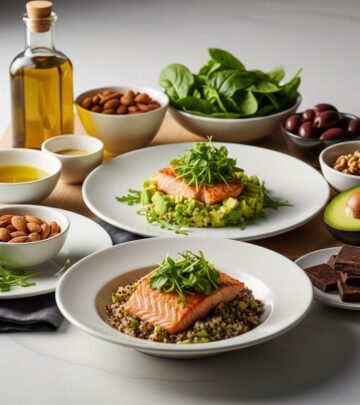
The Flat Belly Diet has revolutionized how we approach weight loss by focusing on a simple yet powerful principle: incorporating monounsaturated fatty acids (MUFAs) into every meal. These healthy fats, found in delicious foods like avocados, nuts, olive oil, and dark chocolate, don’t just satisfy your taste buds—they actively work to flatten your belly and improve your overall health. Research conducted at the Yale-Griffin Prevention Research Center demonstrated that women following this approach lost an impressive 8.4 pounds and nearly 2 inches around their waist in just 28 days.
What makes the Flat Belly Diet particularly appealing is its simplicity and sustainability. Unlike restrictive diets that leave you feeling deprived, this plan encourages you to enjoy flavorful, satisfying meals that keep you energized throughout the day. The fundamental approach involves consuming four 400-calorie meals daily, spacing them approximately 4 hours apart, and ensuring each meal contains a serving of MUFA-rich foods. This structure keeps your metabolism active, prevents blood sugar crashes, and eliminates the constant hunger that derails most diet attempts.
Understanding MUFAs and Their Belly-Flattening Power
Monounsaturated fatty acids represent a category of healthy fats that distinguish themselves from saturated fats through their unique molecular structure and profound health benefits. These plant-based compounds have been extensively studied for their ability to target visceral fat—the dangerous type of fat that accumulates around your internal organs and contributes to serious health conditions including diabetes, heart disease, and metabolic syndrome.
The beauty of MUFAs lies in their dual action: they promote satiety, keeping you feeling full and satisfied for longer periods, while simultaneously working at a cellular level to reduce inflammation and improve insulin sensitivity. This combination makes them particularly effective at reducing belly fat specifically, rather than just overall body weight. Studies have shown that diets rich in MUFAs lead to greater reductions in abdominal fat compared to low-fat diets, even when calorie intake remains the same.
The primary sources of MUFAs include extra virgin olive oil, avocados, nuts such as almonds and walnuts, seeds including sunflower and pumpkin seeds, olives and olive tapenade, nut butters, tahini, and even dark chocolate. Each of these foods brings its own nutritional profile and culinary versatility to your meals, ensuring you never feel bored or restricted while following the diet.
Quick and Easy Breakfast Recipes
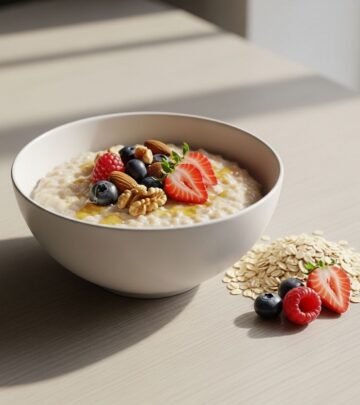
Banana Split Oatmeal transforms your morning routine into a delightful experience that feels more like dessert than diet food. Begin by cooking half a cup of dry old-fashioned oats with water according to your preferred consistency. The magic happens when you top this wholesome base with a quarter cup of microwaved frozen strawberries, which become jammy and sweet when heated, followed by a quarter cup of sliced fresh banana for natural sweetness and potassium. The MUFA component comes from one tablespoon of semisweet chocolate chips and two tablespoons of sliced almonds, which add satisfying crunch and healthy fats. This breakfast clocks in at just 359 calories while delivering sustained energy, fiber, and antioxidants to start your day right.
For those who prefer savory morning meals, Waffles Florentine offers a sophisticated twist on breakfast classics. Toast two whole grain waffles until crispy and golden, then spread them generously with two tablespoons of black olive tapenade—this is your MUFA serving. Top with half a cup of egg whites that have been scrambled in cooking spray for a protein boost, then pile on three-quarters of a cup of fresh spinach leaves for iron and vitamins. Complete the meal with half a cup of colorful grapes, either green or red, for a refreshing contrast. At 393 calories, this breakfast provides a perfect balance of protein, healthy fats, and complex carbohydrates.
Satisfying Lunch Options
The Mediterranean Sandwich brings the flavors of the Mediterranean coast to your midday meal. Start with two slices of sesame-sprouted whole wheat bread, which offers superior nutrition and a nutty flavor compared to regular bread. Spread both slices with two tablespoons of black olive tapenade, providing your essential MUFA serving along with intense, savory flavor. Layer on two ounces of quality deli turkey, a quarter cup of thinly sliced red onion for a sharp bite, half a fresh plum tomato sliced, and three large crisp romaine lettuce leaves. The meal comes with half a cup of sliced banana on the side, adding natural sweetness and extra potassium. This 400-calorie lunch keeps you satisfied throughout the afternoon without the post-meal energy crash.
Mediterranean Salad offers a lighter yet equally satisfying lunch option perfect for warmer days. Toss together half a cup of rinsed and drained chickpeas with half a cup of halved cherry tomatoes, one chopped cucumber for refreshing crunch, and ten large black olives—your MUFA serving that adds briny, complex flavor. Dress this colorful combination with one tablespoon of fresh lemon juice, allowing the natural flavors to shine. Serve alongside one toasted large whole wheat pita for scooping and additional fiber. At 398 calories, this meal delivers plant-based protein, fiber, and healthy fats that work together to stabilize blood sugar and keep hunger at bay.
The Tahini Tuna Pita combines omega-3 rich fish with the nutty richness of sesame paste. Blend together one 3-ounce can of chunk light tuna (drained) with two tablespoons of tahini—your MUFA serving that transforms ordinary tuna salad into something extraordinary. Mix in two tablespoons of freshly chopped parsley for brightness and half a small carrot that has been finely shredded for sweetness and crunch. Stuff this flavorful mixture into a 4-inch whole wheat pita pocket. This 364-calorie meal provides high-quality protein, healthy fats, and satisfying texture.
Delicious Dinner Selections
Ricotta Calzone turns dinner into a satisfying Italian-inspired experience. Mix together a quarter cup of nonfat ricotta cheese with two diced sun-dried tomatoes, one tablespoon of extra virgin olive oil (your MUFA serving), one teaspoon of minced garlic for aromatic depth, and four fresh basil leaves that have been sliced. Stuff this fragrant mixture into one multigrain pita, then warm it under the broiler until the pita turns golden and crispy while the cheese becomes bubbly and melted. Serve with half a cup of marinara sauce on the side for dipping, adding extra flavor without excessive calories. This creative dinner provides calcium, protein, and healthy fats in a format that feels indulgent.
Summer Tomato Salad celebrates fresh produce with elegant simplicity. Begin with a base of one cup of peppery arugula, then layer on two sliced ripe tomatoes at their peak of flavor, two ounces of thinly sliced part-skim mozzarella cheese, and five thin slices of red onion for sharpness. The dressing consists of two tablespoons of pine nuts (your MUFA serving), one teaspoon of quality olive oil, and balsamic vinegar, salt, and pepper adjusted to your taste. The pine nuts add buttery richness and satisfying crunch while delivering healthy fats. At 391 calories, this dinner proves that healthy eating can be both elegant and effortless.
Convenient Wrap and Sandwich Ideas
The Roast Beef Sandwich offers substantial satisfaction for heartier appetites. Toast two slices of whole wheat bread until golden and crispy, then spread generously with two tablespoons of green olive tapenade—your MUFA serving that adds briny complexity. Top with three ounces of organic deli roast beef, choosing quality meat without additives or excessive sodium. Complete the meal with one medium pear on the side, providing natural sweetness and fiber. This 400-calorie meal delivers protein, healthy fats, and satisfying substance.
Avocado Tomato Herbed Wrap brings California-fresh flavors to your meal rotation. Spread one whole wheat wrap with two wedges of Laughing Cow Light Garlic & Herb cheese for creamy tang, then fill with one sliced small tomato, a quarter cup of sliced Hass avocado (your MUFA serving), fresh whole basil leaves for aromatic brightness, and one teaspoon of balsamic vinaigrette. The creamy avocado combined with the herbed cheese creates a luscious texture that makes this 367-calorie meal feel luxurious while supporting your weight loss goals.
Chicken Lettuce Wraps provide a low-carb option that doesn’t sacrifice flavor or satisfaction. Spread six fresh Bibb lettuce leaves with two tablespoons of hummus for creaminess and flavor, then top with three ounces of sliced grilled chicken for lean protein and two tablespoons of walnuts—your MUFA serving that adds omega-3 fatty acids and satisfying crunch. Enjoy alongside one cup of fresh raspberries and six small whole wheat crackers. At 405 calories, this meal offers the perfect balance of protein, healthy fats, and antioxidant-rich berries.
Simple Snack Ideas
Hummus, Olive, and Tomato English Muffin transforms snack time into a mini Mediterranean feast. Toast a whole wheat English muffin and spread each half with two tablespoons of hummus. Top each half with five thinly sliced olives (your MUFA serving) and a fresh slice of tomato. Enjoy with one medium orange on the side for vitamin C and natural sweetness. This 362-calorie snack keeps energy levels stable between meals while providing fiber, healthy fats, and satisfying flavor.
The Science Behind Spacing Your Meals
The Flat Belly Diet’s recommendation to eat every four hours isn’t arbitrary—it’s based on solid metabolic science. When you space your meals appropriately, you maintain stable blood sugar levels throughout the day, preventing the dramatic spikes and crashes that trigger cravings and overeating. This consistent fuel supply keeps your metabolism humming efficiently, ensuring your body burns calories steadily rather than shifting into conservation mode.
Eating four times daily at regular intervals also prevents excessive hunger, which often leads to poor food choices and portion control problems. When you know your next meal is just a few hours away, it becomes much easier to stick to appropriate portions and resist temptation. Additionally, this pattern helps regulate hunger hormones like ghrelin and leptin, making it easier to recognize true hunger versus emotional or habitual eating patterns.
Building Your Flat Belly Kitchen
Success on the Flat Belly Diet becomes significantly easier when your kitchen is properly stocked with the right ingredients. Keep your pantry filled with staples including extra virgin olive oil, various nut butters (almond, peanut, cashew), canned chickpeas and beans, whole wheat bread and pitas, old-fashioned oats, and dark chocolate chips. Your refrigerator should contain fresh avocados, various olives and tapenade, hummus and tahini, fresh vegetables including leafy greens, tomatoes, and cucumbers, lean proteins like chicken breast and turkey, and part-skim cheeses.
Having these ingredients readily available eliminates the excuse of not having the right foods on hand and makes meal preparation quick and straightforward. Many of the recipes can be assembled in five minutes or less when your kitchen is properly organized, making the diet practical even for the busiest schedules.
Maximizing Your Results
While the Flat Belly Diet focuses primarily on food choices and meal timing, incorporating complementary lifestyle practices can enhance your results. Regular physical activity, particularly exercises that target core strength like yoga and Pilates, works synergistically with the diet to flatten your midsection. Adequate sleep proves essential, as sleep deprivation disrupts hunger hormones and increases cravings for high-calorie foods. Stress management also plays a crucial role, since chronic stress elevates cortisol levels, which promotes fat storage specifically in the abdominal area.
Staying properly hydrated throughout the day supports all metabolic processes and can help differentiate between true hunger and thirst. Many people find that drinking water before meals helps with portion control and enhances satiety. The Four-Day Anti-Bloat Jumpstart, available in comprehensive Flat Belly Diet programs, helps reduce water retention and bloating, providing initial motivation as you begin seeing results quickly.
Adapting the Diet for Different Lifestyles
The Flat Belly Diet demonstrates remarkable flexibility, accommodating various dietary preferences and restrictions. For those following a gluten-free lifestyle, the plan adapts easily by substituting gluten-free bread, wraps, and pitas for their wheat-based counterparts. Vegetarians and vegans can emphasize plant-based protein sources like beans, legumes, and tofu while maintaining the essential MUFA component in every meal. Those with nut allergies can focus on other MUFA sources like avocados, olives, and seeds.
The Mediterranean-inspired flavor profile that characterizes many recipes appeals to diverse palates while providing proven health benefits beyond weight loss. This eating pattern has been associated with reduced risk of heart disease, improved cognitive function, and enhanced longevity—benefits that extend far beyond the number on the scale.
Frequently Asked Questions
Q: What exactly are MUFAs and why are they important for belly fat loss?
A: MUFAs (monounsaturated fatty acids) are healthy fats found in foods like avocados, nuts, olive oil, and olives. They specifically target visceral belly fat, reduce inflammation, improve insulin sensitivity, and promote satiety—all factors that contribute to sustainable weight loss and reduced waist circumference.
Q: How quickly can I expect to see results on the Flat Belly Diet?
A: Research shows that participants following the Flat Belly Diet lost an average of 8.4 pounds and nearly 2 inches around their waist in just 28 days. Many people notice reduced bloating within the first few days, with more significant changes becoming visible within 2-4 weeks of consistent adherence.
Q: Can I substitute different MUFA sources in the recipes?
A: Yes, MUFA sources are interchangeable as long as you maintain proper serving sizes. If a recipe calls for olives and you prefer avocado, you can substitute a quarter cup of avocado for the olive serving. Similarly, different nuts and seeds can be swapped based on your preferences and any allergies.
Q: Do I need to count calories strictly on the Flat Belly Diet?
A: While the diet emphasizes 400-calorie meals, the focus is more on meal composition and timing than strict calorie counting. Following the suggested recipes and portion guidelines naturally keeps you within the appropriate calorie range without requiring obsessive tracking.
Q: Is the Flat Belly Diet suitable for people with diabetes or heart disease?
A: The Flat Belly Diet’s emphasis on healthy fats, whole grains, lean proteins, and vegetables makes it beneficial for managing both diabetes and heart disease. MUFAs help improve insulin sensitivity and support cardiovascular health. However, always consult your healthcare provider before starting any new diet, especially if you have existing health conditions.
Q: Can I follow the Flat Belly Diet if I’m gluten-free?
A: Absolutely. The diet adapts easily to gluten-free needs by substituting gluten-free breads, wraps, pitas, and crackers for wheat-based products. The core principle of including MUFAs at every meal remains the same regardless of gluten restrictions.
Q: How important is meal timing on this diet?
A: Meal timing plays a significant role in the diet’s effectiveness. Eating every 4 hours helps maintain stable blood sugar levels, prevents excessive hunger, keeps metabolism active, and reduces cravings. This structured approach makes it easier to stick to appropriate portions and avoid impulsive eating.
Q: Can I prepare these meals in advance for meal prep?
A: Many Flat Belly Diet recipes work excellently for meal prep. Salads can be assembled in advance with dressing on the side, wraps and sandwiches hold well when properly wrapped, and cooked proteins can be prepared in batches. However, some items like avocado are best added fresh to prevent browning.
References
- https://www.prevention.com/weight-loss/diets/a20477494/flat-belly-diet-recipes-73/
- https://www.thriftbooks.com/w/flat-belly-diet-gluten-free-cookbook-the-delicious-way-to-beat-bloat-and-lose-your-belly/3293210/
- https://www.prevention.com/weight-loss/diets/a20475826/5-minute-flat-belly-meals/
- https://www.goodreads.com/book/show/16059453-flat-belly-diet-gluten-free-cookbook
- https://miniers.com/health_wellness/articles/277/flat-belly-diet-qa
- https://latiendacarlsbadnm.com/health_wellness/articles/272/eight-heart-healthy-diets-for-consideration
- https://www.ebay.com/itm/225745935130
Similar Articles






Read full bio of medha deb


