
Transform Your Body: Flat Belly Diet Recipes & Meal Plans
Discover delicious MUFA-rich recipes that flatten your belly fast

The journey to a flatter belly doesn’t require extreme deprivation or complicated meal preparation. The Flat Belly Diet revolutionizes weight loss by focusing on delicious, satisfying foods that actually help target stubborn belly fat. At the heart of this scientifically-backed approach are monounsaturated fatty acids, commonly known as MUFAs, which transform ordinary meals into powerful fat-fighting tools.
Research conducted at the Yale-Griffin Prevention Research Center demonstrated remarkable results, with overweight women losing an average of 8.4 pounds and nearly 2 inches around their waist in just 28 days. This success stems from the diet’s emphasis on whole foods, balanced nutrition, and the strategic inclusion of healthy fats that satisfy hunger while promoting weight loss.
Understanding the Flat Belly Diet Foundation
The Flat Belly Diet operates on elegantly simple principles that make it accessible and sustainable for long-term success. Rather than restricting entire food groups or counting endless calories, this approach focuses on eating the right foods at the right times to maximize fat burning and minimize bloating.
The core strategy involves consuming four 400-calorie meals daily, strategically spaced every four hours to maintain steady blood sugar levels and prevent hunger-induced overeating. Each meal must include a MUFA-rich food, ensuring that your body receives the healthy fats necessary for optimal metabolism and fat reduction. This structure eliminates the deprivation often associated with traditional diets while providing your body with consistent, high-quality nutrition throughout the day.
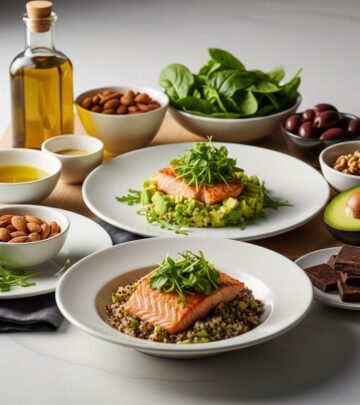
MUFAs represent a game-changing component in weight management. These beneficial fats, found abundantly in foods like avocados, nuts, seeds, olive oil, and dark chocolate, possess unique properties that specifically target visceral fat—the dangerous fat surrounding your organs. Unlike restrictive low-fat diets that leave you hungry and unsatisfied, MUFA-rich meals provide lasting satiety, stabilize blood sugar, and support overall cardiovascular health.
MUFA-Rich Foods That Power Your Weight Loss
Understanding which foods contain these powerful compounds empowers you to create endless meal combinations while staying within the diet’s framework. Nuts and seeds form a cornerstone of the Flat Belly Diet, with almonds, walnuts, cashews, pine nuts, and tahini offering versatile options for every meal. Just two tablespoons of these nutrient-dense foods provide your daily MUFA requirement while delivering essential vitamins, minerals, and protein.
Avocados stand out as nature’s perfect MUFA package, offering creamy texture and mild flavor that enhances countless dishes. A quarter-cup serving provides the ideal portion, delivering heart-healthy fats alongside fiber, potassium, and various antioxidants. Whether mashed into spreads, sliced onto sandwiches, or diced into salads, avocados transform ordinary meals into belly-flattening powerhouses.
Olives and olive-based products bring Mediterranean magic to your plate. From whole olives to tapenade spreads, these flavorful ingredients add depth and satisfaction to meals while delivering concentrated MUFAs. Ten large olives or two tablespoons of olive tapenade meets your serving requirement, making it incredibly easy to incorporate these foods into quick meals and snacks.
Dark chocolate proves that weight loss doesn’t require sacrificing pleasure. Semisweet chocolate chips, when consumed in controlled portions of about one tablespoon, satisfy sweet cravings while providing antioxidants and mood-boosting compounds alongside beneficial fats. This inclusion makes the Flat Belly Diet uniquely sustainable, as you never feel completely deprived of treats.
Quick and Easy Breakfast Recipes
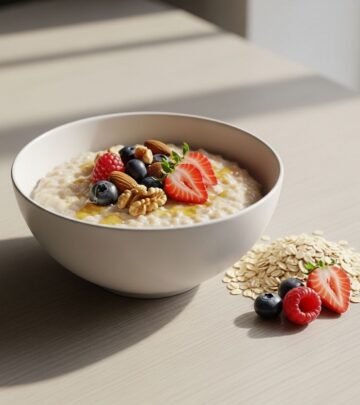
Morning meals set the tone for successful weight loss, and the Flat Belly Diet offers satisfying options that require minimal preparation time. The Banana Split Oatmeal transforms a simple breakfast into a nutritious celebration of flavors. Cook half a cup of old-fashioned one-minute oats with water to your desired consistency, then crown this fiber-rich base with a quarter cup of microwaved frozen strawberries for natural sweetness, a quarter cup of sliced banana for potassium and creaminess, one tablespoon of semisweet chocolate chips for that MUFA boost, and two tablespoons of almonds for satisfying crunch. This 359-calorie breakfast provides sustained energy, prevents mid-morning crashes, and keeps you satisfied until lunch.
For those preferring savory morning meals, Waffles Florentine delivers restaurant-quality flavor in minutes. Prepare two whole grain waffles according to package directions, then spread them with two tablespoons of black olive tapenade for your MUFA serving. Top with half a cup of egg whites scrambled in cooking spray for lean protein, and add three-quarters of a cup of fresh spinach leaves for vitamins and minerals. Accompany this savory creation with half a cup of grapes for a touch of natural sweetness, bringing the total to 393 calories of balanced nutrition.
Satisfying Lunch Options
Midday meals require portability and satisfaction to combat afternoon energy slumps and prevent unhealthy snacking. The Mediterranean Sandwich exemplifies how simple ingredients create extraordinary results. Spread two slices of sesame-sprouted whole wheat bread with two tablespoons of black olive tapenade, providing both your MUFA serving and intense Mediterranean flavor. Layer on two ounces of deli turkey for lean protein, a quarter cup of sliced red onion for crunch and beneficial compounds, half a fresh sliced plum tomato for lycopene and moisture, and three large romaine lettuce leaves for fiber and vitamins. Serve alongside half a cup of sliced banana for natural sweetness and potassium, creating a perfectly balanced 400-calorie meal.
The Mediterranean Salad offers a lighter alternative that doesn’t compromise on satisfaction. Combine half a cup of rinsed and drained chickpeas with half a cup of halved cherry tomatoes, one chopped cucumber for hydration and crunch, and ten large black olives for your MUFA requirement. Dress this colorful mixture with one tablespoon of fresh lemon juice for brightness without added calories. Serve with one toasted large whole wheat pita for satisfying whole grains, totaling 398 calories of nutrient-dense goodness.
For those seeking variety, Chicken Lettuce Wraps provide a fresh, light option perfect for warmer weather. Spread six Bibb lettuce leaves with two tablespoons of hummus for creaminess and plant-based protein, then top with three ounces of sliced grilled chicken for lean protein and two tablespoons of walnuts for your MUFA serving. Accompany these wraps with one cup of raspberries for antioxidants and fiber, plus six small whole wheat crackers for satisfying crunch, creating a 405-calorie meal that feels indulgent yet supports your weight loss goals.
Delicious Dinner Recipes
Evening meals represent opportunities to unwind while nourishing your body with carefully balanced nutrition. The Ricotta Calzone brings Italian comfort food into the Flat Belly Diet framework. Mix a quarter cup of nonfat ricotta cheese with two diced sun-dried tomatoes for concentrated flavor, one tablespoon of extra virgin olive oil for your MUFA serving, one teaspoon of minced garlic for aromatic depth, and four sliced fresh basil leaves for authentic Italian character. Stuff this flavorful mixture into one multigrain pita, then warm under the broiler until the pita turns golden and the cheese becomes bubbly. Serve with half a cup of marinara sauce for dipping, creating a satisfying meal that rivals any pizzeria offering.
The Summer Tomato Salad celebrates fresh produce in a composed dish that looks as impressive as it tastes. Layer one cup of peppery arugula with two sliced ripe tomatoes, two ounces of thinly sliced part-skim mozzarella for protein and calcium, and five thin slices of red onion for sharpness. Dress this beautiful arrangement with two tablespoons of pine nuts for your MUFA serving and delicate crunch, one teaspoon of olive oil for richness, and balsamic vinegar, salt, and pepper to taste. At 391 calories, this dinner proves that weight loss meals can be both elegant and effortless.
Convenient Wrap and Sandwich Options
Portable meals deserve special attention in our busy lives, and the Flat Belly Diet excels at creating grab-and-go options that don’t compromise nutrition or flavor. The Avocado Tomato Herbed Wrap exemplifies this versatility. Spread one whole wheat wrap with two Laughing Cow Light Garlic & Herb Wedges for creamy, tangy flavor, then fill with one sliced small tomato for freshness, a quarter cup of sliced Hass avocado for your MUFA serving, whole basil leaves for aromatic brightness, and one teaspoon of balsamic vinaigrette for depth. This 367-calorie creation wraps up quickly and travels well, making it perfect for busy days.
The Roast Beef Sandwich satisfies hearty appetites with its substantial protein content. Toast two slices of whole wheat bread until golden, then spread with two tablespoons of green olive tapenade for your MUFA serving and savory depth. Top with three ounces of organic deli roast beef for satisfying protein, then serve alongside one medium pear for natural sweetness and fiber. At exactly 400 calories, this sandwich proves that traditional favorites fit perfectly within the Flat Belly Diet framework.
For seafood lovers, the Tahini Tuna Pita provides omega-3 fatty acids alongside MUFAs. Blend one three-ounce can of drained chunk light tuna with two tablespoons of tahini for your MUFA serving and creamy texture, two tablespoons of chopped fresh parsley for brightness, and one finely shredded small carrot for sweetness and color. Stuff this flavorful mixture into a four-inch whole wheat pita for a portable, protein-packed 364-calorie meal.
Simple Appetizers and Snacks
Between-meal options keep hunger at bay without derailing your progress. The Hummus, Olive, and Tomato combination transforms a simple English muffin into a satisfying mini-meal. Spread two tablespoons of hummus on each half of a toasted whole wheat English muffin, then top each half with five thinly sliced olives for your MUFA serving and a slice of fresh tomato for moisture and vitamins. Enjoy with one medium orange for vitamin C and natural sweetness, totaling 362 calories of balanced nutrition that sustains energy between main meals.
Five-Minute Meal Planning Strategy
Time constraints often sabotage the best dietary intentions, but the Flat Belly Diet addresses this challenge directly. Every recipe mentioned requires five minutes or less of active preparation time, eliminating the excuse that healthy eating demands excessive time investment. This efficiency stems from smart ingredient selection—choosing high-quality prepared items like deli meats, canned tuna, and pre-washed greens alongside fresh produce and pantry staples.
Successful implementation requires strategic kitchen organization. Stock your pantry with various olive tapenades, tahini, nuts, seeds, and whole grain products. Keep your refrigerator filled with fresh vegetables, lean proteins, hummus, and quality cheeses. Maintain a fruit bowl with bananas, oranges, pears, and seasonal selections. This preparation ensures that creating any Flat Belly Diet meal becomes a simple assembly process rather than a cooking project.
The Science Behind MUFA Benefits
Understanding why MUFAs work so effectively for belly fat reduction reinforces commitment to the diet. These beneficial fats specifically target visceral fat, the dangerous adipose tissue surrounding internal organs that contributes to metabolic syndrome, type 2 diabetes, cardiovascular disease, and other serious health conditions. Unlike subcutaneous fat visible beneath the skin, visceral fat actively produces inflammatory compounds that interfere with normal metabolic processes.
MUFAs combat this dangerous fat through multiple mechanisms. They improve insulin sensitivity, helping your body process glucose more efficiently and reducing the likelihood of excess sugar being converted to fat. They increase satiety hormones, naturally reducing calorie intake without conscious restriction. They support beneficial gut bacteria that play crucial roles in metabolism and inflammation control. Perhaps most importantly, they provide essential fatty acids necessary for producing hormones that regulate appetite, metabolism, and fat storage.
Creating Your Personal Meal Plan
While the provided recipes offer excellent starting points, the true power of the Flat Belly Diet lies in its flexibility. Once you understand the fundamental principles—400 calories per meal, one MUFA serving per meal, eating every four hours—you can create infinite variations based on personal preferences, seasonal availability, and cultural traditions.
Begin by identifying your favorite MUFA sources. If you love nuts, focus on recipes featuring almonds, walnuts, cashews, and pine nuts. If avocados appeal to you, build meals around this creamy fruit. Olive enthusiasts can explore the vast world of tapenades, whole olives, and olive oil-based dressings. Dark chocolate lovers can incorporate this ingredient into breakfast oatmeal, afternoon snacks, or even savory mole-inspired dinner sauces.
Next, consider your daily schedule and meal timing preferences. Some people thrive on early breakfast, while others prefer later morning meals. The four-hour spacing guideline provides structure without rigidity—adjust meal times to match your natural hunger patterns and daily commitments. The key is consistency, eating at roughly the same times each day to regulate metabolism and prevent extreme hunger.
Shopping List Essentials
Successful meal planning begins with strategic shopping. Your cart should always include whole grain bread, English muffins, pitas, and wraps for versatile bases. Stock up on various nut butters, tahini, hummus, and olive tapenades for quick MUFA additions. Purchase multiple types of nuts and seeds for variety and texture. Select lean proteins including deli turkey, chicken breast, canned tuna, eggs, and part-skim cheeses.
Fresh produce forms the foundation of satisfying, low-calorie bulk. Fill your basket with lettuce varieties, spinach, arugula, tomatoes, cucumbers, onions, and fresh herbs. Choose diverse fruits including bananas, berries, oranges, pears, and grapes for natural sweetness without processed sugars. Don’t forget frozen strawberries and other berries, which provide convenience and year-round availability.
Overcoming Common Challenges
Even the most straightforward diet presents obstacles, and anticipating these challenges prepares you for success. Restaurant dining becomes manageable when you understand MUFA sources. Request olive oil for bread, order salads with nuts or avocado, choose grilled proteins, and ask for dressings on the side. Most restaurants accommodate simple modifications that keep you on track.
Social situations require similar flexibility. Attend gatherings knowing you can fill your plate with vegetables, lean proteins, and controlled portions of MUFA-rich foods. Bring a Flat Belly Diet-compliant dish to share, ensuring at least one perfect option. Remember that occasional deviations don’t derail overall progress—consistency over time matters most.
Taste fatigue can develop with any eating plan. Combat this by rotating through different MUFA sources, trying new herbs and spices, and exploring international cuisines that naturally emphasize healthy fats. Mediterranean, Middle Eastern, and Asian cuisines offer countless inspirations for MUFA-rich meals that taste nothing like diet food.
Maximizing Your Results
While the Flat Belly Diet delivers impressive results through nutrition alone, combining it with complementary lifestyle factors accelerates progress. Regular physical activity enhances fat burning, builds metabolism-boosting muscle, and improves insulin sensitivity. Even moderate activities like brisk walking, swimming, or cycling provide significant benefits when practiced consistently.
Adequate sleep plays an underappreciated role in weight management. Sleep deprivation disrupts hunger hormones, increases cravings for high-calorie foods, and impairs the body’s ability to process nutrients effectively. Prioritize seven to nine hours of quality sleep nightly to optimize your diet’s effectiveness.
Stress management prevents cortisol-induced belly fat accumulation. Chronic stress triggers hormonal responses that specifically promote visceral fat storage, counteracting dietary efforts. Incorporate relaxation techniques like meditation, yoga, deep breathing, or enjoyable hobbies that reduce stress without involving food.
Hydration supports every aspect of weight loss. Water aids digestion, prevents mistaking thirst for hunger, helps metabolize stored fat, and maintains energy levels. Aim for at least eight glasses daily, more if you’re physically active or live in hot climates.
Frequently Asked Questions
Q: Can I really eat chocolate and still lose weight?
A: Yes, the Flat Belly Diet includes dark chocolate as a MUFA source. One tablespoon of semisweet chocolate chips provides beneficial fats and antioxidants while satisfying sweet cravings, making the diet sustainable long-term without feeling deprived.
Q: How quickly will I see results on the Flat Belly Diet?
A: Research shows participants lost an average of 8.4 pounds and nearly 2 inches from their waist in just 28 days. Individual results vary based on starting weight, adherence, activity level, and metabolic factors, but most people notice changes within two weeks.
Q: Do I need to count calories on this diet?
A: The diet simplifies calorie counting by providing 400-calorie meal templates. Once you understand portion sizes and MUFA servings, you can create meals intuitively without constant calculation, though initially measuring ensures accuracy.
Q: Can vegetarians and vegans follow the Flat Belly Diet?
A: Absolutely. Many MUFA sources are plant-based, including nuts, seeds, avocados, olives, and oils. Simply substitute plant-based proteins like beans, lentils, tofu, and tempeh for animal proteins in the recipes provided.
Q: What if I don’t like some of the MUFA foods listed?
A: The diet’s beauty lies in its flexibility. If you dislike olives, focus on nuts, avocados, and dark chocolate. If tree nuts cause allergies, emphasize seeds, avocados, and olives. Find the MUFA sources you enjoy and build meals around those.
Q: Is the Flat Belly Diet safe for people with diabetes?
A: The diet’s emphasis on whole grains, lean proteins, healthy fats, and controlled portions makes it generally appropriate for diabetes management. However, always consult your healthcare provider before starting any new eating plan, especially if you take medication.
Q: Can I drink coffee or tea on this diet?
A: Yes, unsweetened coffee and tea are permitted and don’t count toward your meal calories. Avoid adding excessive sugar or cream, which add calories without providing satiety or nutrition. Consider using a small amount of milk or plant-based alternatives if desired.
Q: What makes this different from other low-calorie diets?
A: Unlike restrictive plans that eliminate entire food groups, the Flat Belly Diet emphasizes what to include rather than what to avoid. The strategic use of MUFAs provides satiety and specifically targets belly fat, making it more effective and sustainable than generic calorie restriction.
References
- https://www.prevention.com/weight-loss/diets/a20477494/flat-belly-diet-recipes-73/
- https://www.thriftbooks.com/w/flat-belly-diet-gluten-free-cookbook-the-delicious-way-to-beat-bloat-and-lose-your-belly/3293210/
- https://www.prevention.com/weight-loss/diets/a20475826/5-minute-flat-belly-meals/
- https://www.goodreads.com/book/show/16059453-flat-belly-diet-gluten-free-cookbook
- https://miniers.com/health_wellness/articles/277/flat-belly-diet-qa
- https://latiendacarlsbadnm.com/health_wellness/articles/272/eight-heart-healthy-diets-for-consideration
- https://www.ebay.com/itm/225745935130
Similar Articles






Read full bio of Sneha Tete


