
Flat Belly Diet Recipes: Your Complete Guide to Weight Loss
Discover delicious MUFA-rich meals that flatten your belly and boost health

The Flat Belly Diet has revolutionized the way we approach weight loss by focusing on delicious, nutrient-dense foods that actually help flatten your midsection. At the heart of this transformative eating plan are monounsaturated fatty acids, or MUFAs—healthy fats found in foods like avocados, nuts, olive oil, and even dark chocolate. These aren’t just tasty additions to your meals; they’re scientifically proven to target dangerous visceral fat while keeping you satisfied and energized throughout the day.
What makes this diet particularly appealing is its simplicity and flexibility. You don’t need to count every calorie obsessively or spend hours in the kitchen preparing elaborate meals. The Flat Belly Diet operates on straightforward principles: eat four 400-calorie meals daily, space your meals about four hours apart, and include a MUFA-rich food at every meal. Research commissioned by Prevention at the Yale-Griffin Prevention Research Center demonstrated impressive results, with overweight women losing an average of 8.4 pounds and nearly 2 inches around their waist in just 28 days.
Understanding the Science Behind MUFAs
Monounsaturated fatty acids are plant-based compounds that have captured the attention of nutritional scientists for their remarkable ability to target belly fat specifically. Unlike other dietary approaches that simply reduce overall body weight, MUFAs have a waist-slimming effect that addresses the dangerous visceral fat surrounding your internal organs. This type of fat, when present in excess, contributes to serious health conditions including diabetes, heart disease, and obesity.
The beauty of MUFAs lies in their dual benefit: they help you lose weight while simultaneously improving your overall health markers. These healthy fats support cardiovascular health, reduce inflammation, and help stabilize blood sugar levels. When you incorporate MUFA-rich foods into your daily meals, you’re not just working toward a flatter belly—you’re investing in long-term wellness and vitality.
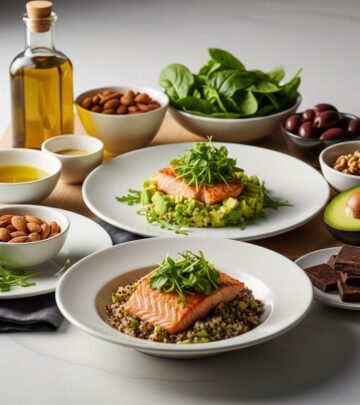
The best MUFA sources include olive oil and other plant-based oils, nuts and seeds like almonds, walnuts, and pine nuts, avocados, olives and olive tapenade, dark chocolate and semi-sweet chocolate chips, and nut butters including peanut butter and tahini. Each of these foods brings its own unique flavor profile and nutritional benefits, making it easy to create varied and exciting meals that never feel restrictive or boring.
Getting Started with Your Flat Belly Meal Plan
Beginning your Flat Belly Diet journey doesn’t require a complete kitchen overhaul or advanced culinary skills. The key is understanding the basic structure and then building meals that fit your preferences and lifestyle. Each day, you’ll consume four meals of approximately 400 calories each, with one of these meals serving as a snack you can enjoy either mid-morning or mid-afternoon, depending on when hunger strikes.
Timing matters on this plan, but not in an overly restrictive way. Eating every four hours helps maintain stable blood sugar levels, prevents excessive hunger, and keeps your metabolism humming along efficiently. This regular eating pattern also ensures you’re getting a steady supply of MUFAs throughout the day, maximizing their fat-fighting benefits. Many followers of the Flat Belly Diet report feeling more energized and less prone to the energy crashes that often accompany other weight loss plans.
When planning your meals, think about incorporating a variety of whole foods alongside your MUFA source. Load your plate with colorful vegetables, lean proteins, whole grains, and fruits. The combination of fiber, protein, and healthy fats creates meals that are deeply satisfying and nutritionally complete. This balanced approach means you’re never left feeling deprived or hungry, which is often the downfall of more restrictive diets.
Delicious Breakfast Options to Start Your Day Right
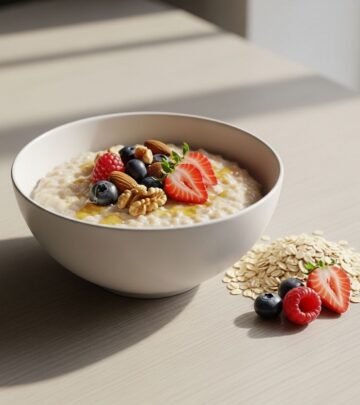
Breakfast on the Flat Belly Diet can be both indulgent and nutritious, setting a positive tone for the rest of your day. One standout option is the Banana Split Oatmeal, which feels like dessert but delivers serious nutritional power. To prepare this satisfying breakfast, cook half a cup of dry old-fashioned one-minute oats with water to your preferred consistency. Top the warm oats with a quarter cup of microwaved frozen strawberries, a quarter cup of sliced banana, one tablespoon of semi-sweet chocolate chips, and two tablespoons of almonds. This combination provides complex carbohydrates for sustained energy, antioxidants from the berries, potassium from the banana, and your crucial MUFA serving from the almonds and chocolate chips. At 359 calories, it leaves room for your other meals while keeping you satisfied until lunch.
Another excellent breakfast choice combines whole grain waffles with nutrient-dense toppings in the Waffles Florentine recipe. Prepare two whole grain waffles and spread them with two tablespoons of black olive tapenade, which serves as your MUFA. Top with half a cup of egg whites scrambled in cooking spray and three-quarters of a cup of fresh spinach leaves. Complete the meal with half a cup of green or red grapes. This savory breakfast provides approximately 393 calories and delivers protein, iron from the spinach, and the heart-healthy fats your body needs to function optimally.
Satisfying Lunch Recipes That Keep You Energized
Lunchtime on the Flat Belly Diet offers opportunities to explore Mediterranean-inspired flavors and fresh, whole ingredients. The Mediterranean Sandwich is a perfect example of how simple ingredients can create a truly satisfying meal. Start with two slices of sesame-sprouted whole wheat bread and spread them generously with two tablespoons of black olive tapenade. Layer on two ounces of quality deli turkey, a quarter cup of sliced red onion, half a fresh plum tomato sliced, and three large romaine lettuce leaves. Serve alongside half a cup of sliced banana for a touch of natural sweetness. This combination hits exactly 400 calories and provides a perfect balance of protein, fiber, and healthy fats.
For those who prefer lighter, fresher options, the Mediterranean Salad delivers bold flavors and substantial nutrition. Toss together half a cup of rinsed and drained chickpeas with half a cup of halved cherry tomatoes, one chopped cucumber, and ten large black olives. Dress the salad with one tablespoon of fresh lemon juice for brightness and serve with one toasted large whole wheat pita. At 398 calories, this meal provides plant-based protein from the chickpeas, abundant vegetables, and your MUFA serving from the olives.
Another innovative lunch option is the Tahini Tuna Pita, which combines lean protein with the rich, nutty flavor of tahini. Blend a three-ounce can of drained chunk light tuna with two tablespoons of tahini, two tablespoons of fresh chopped parsley, and half a small carrot finely shredded. Stuff this flavorful mixture into a four-inch whole wheat pita. This 364-calorie meal provides omega-3 fatty acids from the tuna, calcium from the tahini, and plenty of satisfying flavor.
Dinner Recipes That End Your Day Deliciously
Dinner on the Flat Belly Diet can feel truly special, with recipes that are both comforting and figure-friendly. The Ricotta Calzone transforms simple ingredients into a restaurant-quality meal. Mix a quarter cup of nonfat ricotta cheese with two diced sun-dried tomatoes, one tablespoon of extra virgin olive oil (your MUFA), one teaspoon of minced garlic, and four fresh basil leaves that have been sliced. Stuff this aromatic mixture into one multigrain pita and warm it under the broiler until the pita turns golden and the cheese becomes bubbly. Serve with half a cup of marinara sauce for dipping, creating an Italian-inspired dinner that satisfies both your taste buds and your weight loss goals.
The Summer Tomato Salad offers a lighter dinner option that’s perfect for warm evenings or when you’re craving something fresh and vibrant. Layer one cup of peppery arugula with two sliced ripe tomatoes, two ounces of thinly sliced part-skim mozzarella, and five thin slices of red onion. Dress this colorful creation with two tablespoons of pine nuts (your MUFA), one teaspoon of olive oil, and balsamic vinegar, salt, and pepper to taste. At 391 calories, this dinner provides calcium, lycopene from the tomatoes, and the satisfying crunch of pine nuts.
Quick and Easy Five-Minute Meal Solutions
One of the most attractive features of the Flat Belly Diet is its adaptability to busy lifestyles. Many recipes can be prepared in five minutes or less, making it possible to stick with the plan even during your most hectic days. The Hummus, Olive, and Tomato breakfast or snack exemplifies this convenience. Simply spread two tablespoons of hummus on each half of a toasted whole wheat English muffin, top each half with five thinly sliced olives and a slice of fresh tomato, and enjoy with one medium orange. This 362-calorie meal comes together in minutes and provides protein, fiber, and those crucial MUFAs.
The Chicken Lettuce Wraps offer another quick option that feels light yet substantial. Spread six Bibb lettuce leaves with two tablespoons of hummus and top with three ounces of sliced grilled chicken and two tablespoons of walnuts. Round out the meal with one cup of fresh raspberries and six small whole wheat crackers. At 405 calories, this combination provides lean protein, omega-3 fatty acids from the walnuts, and antioxidants from the berries.
For wrap lovers, the Avocado Tomato Herbed Wrap delivers fresh flavors in a portable format. Spread one whole wheat wrap with two Laughing Cow Light Garlic & Herb Wedges and fill with one sliced small tomato, a quarter cup of sliced Hass avocado (your MUFA), whole fresh basil leaves, and one teaspoon of balsamic vinaigrette. This 367-calorie meal can be assembled in minutes and eaten on the go, making it perfect for busy workdays.
Creating Your Personalized Flat Belly Kitchen
Success on the Flat Belly Diet becomes much easier when your kitchen is stocked with the right ingredients. Building a well-equipped pantry means you can always throw together a compliant meal, even when time is tight or you haven’t had a chance to grocery shop. Start with a variety of MUFA sources, keeping different nuts and seeds on hand including almonds, walnuts, pine nuts, and sunflower seeds. Store these in airtight containers to maintain freshness.
Stock your refrigerator with fresh avocados at various stages of ripeness so you always have one ready to use. Keep several varieties of olives and olive tapenade available, along with high-quality extra virgin olive oil for cooking and dressings. Natural nut butters, including peanut butter and almond butter, should have a permanent spot in your pantry, along with tahini for Middle Eastern-inspired dishes.
Don’t forget about dark chocolate and semi-sweet chocolate chips, which can satisfy sweet cravings while providing MUFAs. Choose chocolate with at least 70% cocoa content for maximum health benefits. Your whole grain options should include sprouted wheat bread, whole wheat pitas and wraps, old-fashioned oats, and whole grain waffles. Keep your vegetable drawer filled with leafy greens, tomatoes, cucumbers, bell peppers, and onions for adding color, fiber, and nutrients to every meal.
Maximizing Your Weight Loss Results
While the Flat Belly Diet meal plan is designed to promote weight loss on its own, certain strategies can enhance your results. Staying properly hydrated is crucial—aim for at least eight glasses of water daily to support metabolism and help your body process nutrients efficiently. Many people find that starting each meal with a glass of water helps with portion control and digestion.
Physical activity complements the diet beautifully, helping to build lean muscle mass that burns calories even at rest. You don’t need intense workouts to see benefits; incorporating activities like yoga, walking, swimming, or cycling for 30 minutes most days of the week can significantly boost your results. Some followers of the Flat Belly Diet have found particular success with Flat Belly Yoga, which combines core-strengthening poses with stress reduction.
Pay attention to meal timing and try to eat at roughly the same times each day. This consistency helps regulate hunger hormones and prevents the blood sugar spikes and crashes that can trigger cravings. When you eat every four hours as recommended, you’re training your body to expect regular fuel, which can actually increase your metabolic efficiency over time.
Adapting the Diet for Special Dietary Needs
The Flat Belly Diet can be modified to accommodate various dietary requirements and preferences. For those with gluten sensitivities or celiac disease, gluten-free versions of the diet maintain the same MUFA-focused principles while eliminating wheat, barley, and rye. Gluten-free alternatives like rice bread, corn tortillas, and quinoa can replace traditional whole grain products without sacrificing the diet’s effectiveness.
Vegetarians and vegans can easily follow the Flat Belly Diet by emphasizing plant-based protein sources like beans, lentils, tofu, and tempeh. The MUFA foods are naturally plant-based, making this aspect of the diet perfectly suited to vegetarian lifestyles. Dairy products can be replaced with plant-based alternatives fortified with calcium and vitamin B12.
Those following a Mediterranean-style eating pattern will find the Flat Belly Diet aligns beautifully with their preferences, as it emphasizes many of the same foods: olive oil, nuts, fish, whole grains, and abundant vegetables. This overlap means the diet feels familiar and sustainable rather than radically different from established eating habits.
Long-Term Success and Maintenance
The true test of any diet is whether you can stick with it long-term, and the Flat Belly Diet scores high marks for sustainability. Unlike extreme restriction plans that leave you feeling deprived, this approach includes foods you genuinely enjoy eating. The inclusion of chocolate and other indulgent-feeling foods means you never feel like you’re missing out, which significantly reduces the likelihood of falling off the wagon.
As you become more comfortable with the basic principles, you’ll naturally start creating your own MUFA-rich meals and experimenting with different flavor combinations. This creativity keeps the diet feeling fresh and prevents the monotony that often derails weight loss efforts. Many people find that after following the structured meal plans for a few weeks, they’ve internalized the principles and can make compliant choices instinctively.
The weight loss you achieve on the Flat Belly Diet tends to be sustainable because it’s based on real food and reasonable portions rather than unsustainable restriction. Once you reach your goal weight, you can gradually increase portion sizes slightly to maintain rather than continue losing, all while keeping the MUFA focus that serves your health so well.
Frequently Asked Questions
Q: What exactly are MUFAs and why are they important for belly fat loss?
A: MUFAs, or monounsaturated fatty acids, are healthy plant-based fats found in foods like nuts, avocados, olive oil, and dark chocolate. They’re important because research shows they specifically target visceral belly fat—the dangerous fat surrounding your organs—while also improving heart health and reducing inflammation.
Q: How quickly can I expect to see results on the Flat Belly Diet?
A: Research from the Yale-Griffin Prevention Research Center showed that women following the diet lost an average of 8.4 pounds and nearly 2 inches from their waist in just 28 days. Individual results vary based on starting weight, activity level, and adherence to the plan, but many people notice changes within the first two weeks.
Q: Can I follow the Flat Belly Diet if I have gluten sensitivity?
A: Absolutely. The Flat Belly Diet can easily be adapted for gluten-free eating by substituting gluten-free breads, wraps, and grains for the wheat-based products in the standard recipes. The core MUFA foods are naturally gluten-free, making this adaptation straightforward.
Q: Do I need to count calories on this diet?
A: The diet provides structure by recommending four 400-calorie meals per day, but once you become familiar with proper portions and MUFA servings, many people find they can maintain the principles without obsessive calorie counting. The key is including a MUFA at every meal and eating every four hours.
Q: What if I don’t like some of the MUFA foods listed?
A: The variety of MUFA sources means you can focus on the ones you enjoy most. If you don’t like olives, emphasize nuts, avocados, and nut butters instead. The flexibility of the diet allows you to personalize it to your taste preferences while still getting the benefits of these healthy fats.
Q: Is exercise required on the Flat Belly Diet?
A: While not strictly required, adding regular physical activity enhances your results and overall health. Even moderate activities like walking, yoga, or swimming for 30 minutes most days can boost weight loss, improve muscle tone, and help flatten your belly more quickly.
Q: Can I eat out at restaurants while following this diet?
A: Yes, dining out is possible with smart choices. Look for salads with nuts or avocado, grilled fish with olive oil, or Mediterranean-inspired dishes. Ask for dressings on the side, choose whole grain options when available, and focus on meals that include a clear MUFA source along with lean protein and vegetables.
References
- https://www.prevention.com/weight-loss/diets/a20477494/flat-belly-diet-recipes-73/
- https://www.thriftbooks.com/w/flat-belly-diet-gluten-free-cookbook-the-delicious-way-to-beat-bloat-and-lose-your-belly/3293210/
- https://www.prevention.com/weight-loss/diets/a20475826/5-minute-flat-belly-meals/
- https://www.goodreads.com/book/show/16059453-flat-belly-diet-gluten-free-cookbook
- https://www.ebay.com/itm/146731223668
- https://www.hutchsfoodcenter.com/health_wellness/articles/277/flat-belly-diet-qa
- https://www.ebay.com/itm/193463908377
Similar Articles






Read full bio of Sneha Tete


