
5 Fat-Burning Foods Backed by Science
Explore how lemon juice, cinnamon, cayenne, turmeric, and flaxseed can support fat burning and weight management.
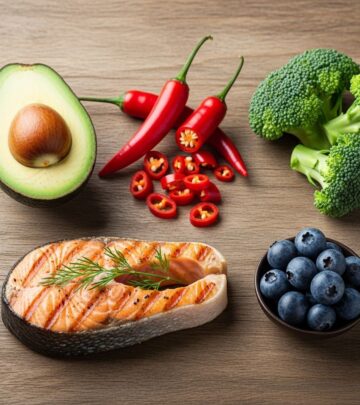
5 Foods That Can Help You Burn More Fat
Effective weight management is not just about cutting calories; it is about nourishing your body with foods that support metabolic health. Recent nutritional research and expert recommendations have highlighted specific foods that not only promote satiety but may also boost fat loss and metabolic function. Here, discover five science-backed foods—lemon juice, cinnamon, cayenne, turmeric, and flaxseed—and practical tips for including them in your diet.
Lemon Juice: A Zesty Metabolism Booster
Lemon juice has long been hailed as a refreshing and healthful beverage addition, but its fat-burning claims have recently found scientific backing. Rich in vitamin C and antioxidants, lemons can help reduce inflammation and support overall metabolic health.
- Alkalizing effects: Although lemons are acidic, their juice has an alkalizing effect once metabolized, potentially supporting healthy digestion and gut health.
- Supports hydration: Staying well-hydrated is pivotal for metabolic processes and fat oxidation. Lemon juice can make water more palatable, encouraging regular hydration.
- Antioxidant power: The vitamin C in lemon juice acts as an antioxidant that may modulate inflammation, support immune function, and improve fat metabolism.
Expert nutritionists recommend starting the day with a glass of water infused with fresh lemon juice. According to a review published in the Journal of Clinical Biochemistry and Nutrition, antioxidants in citrus fruits, including lemons, may optimize lipid metabolism, contributing to fat loss.
How to Use Lemon Juice for Weight Loss
- Add freshly squeezed lemon juice to water for a refreshing beverage.
- Use lemon juice as a low-calorie salad dressing base.
- Flavor grilled vegetables or fish with lemon juice.
Cinnamon: Regulating Blood Sugar & Appetite
Cinnamon is much more than a sweet spice for autumnal treats. Research has identified its utility in regulating blood sugar and possibly supporting fat burning.
- Improves insulin sensitivity: Cinnamon’s active compounds, such as cinnamaldehyde, have been shown to improve cells’ responsiveness to insulin, supporting stable blood sugar and reducing cravings for sugary foods.
- Reduces fat storage: A 2017 study published in the journal Metabolism found that cinnamaldehyde can increase metabolic activity in adipose (fat) cells, potentially promoting fat loss.
- Promotes satiety: Cinnamon’s warm flavor can help you feel satisfied with less sugar, which can help manage overall calorie intake.
Try adding cinnamon to oatmeal, smoothies, or even coffee. Unlike some weight loss fads, cinnamon is supported by credible studies to have a genuine place in metabolic health protocols.
Easy Ways to Add Cinnamon to Meals
- Sprinkle powdered cinnamon on morning oatmeal or yogurt.
- Add a cinnamon stick to herbal infusions and teas.
- Blend cinnamon into smoothies for flavor and metabolic benefits.
Cayenne Pepper: Turning Up the Heat
Cayenne pepper is a spicy food with a reputation for supporting weight loss and fat burning. This is primarily due to its concentration of the compound capsaicin.
- Thermogenesis: Capsaicin increases body temperature and energy expenditure, a process known as thermogenesis, which may boost metabolic rate.
- Appetite suppression: Some human studies indicate that capsaicin can temporarily reduce appetite and help control calorie intake.
- Fat oxidation: Research published in BMC Obesity showed participants supplementing with cayenne saw a decrease in body fat percentage after 12 weeks.
Adding cayenne pepper to your favorite dishes can make them flavorful while helping turn on the body’s natural fat-burning systems. Nutrition experts often recommend starting with smaller amounts to build tolerance.
Practical Applications for Cayenne Pepper
- Add a pinch of cayenne to eggs, soups, and stews.
- Toss roasted vegetables with cayenne for a spicy kick.
- Include cayenne in marinades for chicken or tofu.
Turmeric: Fighting Inflammation for Fat Loss
Turmeric, the yellow-hued root commonly found in curries, contains curcumin, a potent anti-inflammatory compound that has garnered interest for its role in metabolic health and weight loss.
- Suppresses inflammatory signaling: Chronic inflammation is associated with insulin resistance and fat accumulation. Curcumin helps combat this by suppressing inflammatory signaling molecules in fat, pancreatic, and muscle cells.
- May boost metabolism: Anecdotal and early-stage studies suggest turmeric’s anti-inflammatory effects may help speed up metabolism and curb weight gain.
- Supports healthy blood sugar: Turmeric may modulate blood sugar and cholesterol levels, which are often linked to metabolic syndrome and obesity.
Turmeric’s transformative potential lies not only in weight loss but in overall health. Experts urge using turmeric with black pepper to enhance curcumin absorption.
Ways to Use Turmeric
- Stir turmeric into soups, curries, or stews.
- Add turmeric and black pepper to scrambled eggs.
- Blend turmeric into a golden milk latte with plant milk and honey.
Flaxseed: Fiber-Rich Satiety and Fat Loss
Flaxseeds are small but mighty when it comes to supporting weight loss and fat burning. Packed with soluble fiber and essential fatty acids, they provide sustained energy and support digestive health.
- Rich in alpha-linolenic acid (ALA): Flaxseed’s ALA is an omega-3 fatty acid that may influence lipid metabolism and decrease inflammation.
- High fiber content: The soluble fiber in flaxseed forms a gel in the digestive tract, slowing sugar absorption and promoting satiety, which may lower overall calorie intake.
- Promotes bowel regularity: Flaxseed supports healthy digestion and elimination, crucial for effective weight management.
To maximize benefits, consume ground flaxseed rather than whole seeds, as this increases digestibility and the availability of nutrients.
How to Incorporate Flaxseed
- Mix ground flaxseed into oatmeal, yogurt, or smoothies.
- Sprinkle flaxseed on salads or baked goods.
- Use flaxseed as an egg replacement in vegan recipes (1 tbsp ground flaxseed + 2.5 tbsp water).
Table: At-a-Glance Comparison of 5 Fat-Burning Foods
| Food | Main Fat-Burning Component | Key Benefit | Best Ways to Use |
|---|---|---|---|
| Lemon Juice | Vitamin C, antioxidants | Hydration, lipid metabolism | Water infusions, salad dressings |
| Cinnamon | Cinnamaldehyde | Insulin sensitivity, appetite control | Oatmeal, smoothies, coffee |
| Cayenne Pepper | Capsaicin | Thermogenesis, fat oxidation | Eggs, roasted veggies, stews |
| Turmeric | Curcumin | Anti-inflammation, metabolic boost | Curries, golden milk, soups |
| Flaxseed | ALA, fiber | Satiety, digestion, lipid metabolism | Oatmeal, smoothies, baked goods |
Frequently Asked Questions (FAQ)
Q: Can eating these foods alone lead to significant weight loss?
A: While incorporating lemon juice, cinnamon, cayenne pepper, turmeric, and flaxseed can support fat burning, sustainable weight loss still requires overall healthy eating habits, regular physical activity, and calorie management.
Q: Is it safe to consume high amounts of cayenne pepper or cinnamon?
A: Most people tolerate modest amounts in meals well, but excessive doses of cayenne pepper or cinnamon supplements can cause gastrointestinal discomfort or interact with medications. Always use culinary amounts and consult a healthcare provider before large changes.
Q: How quickly can you see results from adding these foods?
A: Benefits are generally gradual. For example, capsaicin in cayenne pepper has shown reductions in body fat after 12 weeks. Long-term, consistent use as part of a balanced diet yields the best results.
Q: Can these foods replace exercise?
A: No food alone can substitute for regular exercise. The greatest fat-burning effects occur when these foods are combined with sustained physical activity and comprehensive lifestyle changes.
Q: What is the best way to include all five foods into a daily meal plan?
A: Start your morning with lemon water, sprinkle cinnamon on oatmeal, add cayenne pepper to lunch entrees, enjoy turmeric in dinner curries, and blend flaxseed into smoothies or baked snacks.
Bonus Tips: Making Fat-Burning Foods Part of Your Lifestyle
- Plan ahead: Prep ingredients in advance—ground flaxseed, chopped turmeric root, or sliced lemons—to streamline meal assembly.
- Watch portion sizes: Even healthy foods can contribute to excess calories if portions are not controlled.
- Combine with protein: Pair fat-burning foods with protein-rich sources like Greek yogurt or beans for enhanced satiety.
- Stay consistent: Incorporate these foods regularly, not sporadically, for cumulative health and weight management benefits.
- Experiment: Explore recipes that feature these ingredients to keep meals interesting and delicious.
Conclusion: Integrating Science-Based Fat-Burning Foods
Scientific research continues to uncover the metabolic effects of everyday foods. Lemon juice, cinnamon, cayenne pepper, turmeric, and flaxseed are not miracle solutions, but when incorporated into a balanced diet, each offers unique benefits that support fat loss, metabolic health, and overall wellness. Simple dietary shifts—hydration with lemon water, cinnamon in breakfast, cayenne-flavored entrees, golden turmeric dishes, and flaxseed-infused snacks—can make weight management achievable and sustainable.
- Lemon juice boosts hydration and antioxidant levels.
- Cinnamon stabilizes blood sugar and curbs appetite.
- Cayenne pepper increases metabolic heat and fat oxidation.
- Turmeric dampens inflammation and supports healthy metabolism.
- Flaxseed offers satiety and heart-healthy fats.
Implementing these foods into your routine is a science-backed step toward lasting fat loss and vibrant health.
References
- https://www.prevention.com/weight-loss/g24805401/fat-burning-foods/
- https://www.prevention.com/food-nutrition/healthy-eating/a65919516/foods-to-boost-metabolism/
- https://www.prevention.com/weight-loss/g19576831/healthy-snack-ideas-weight-loss/
- https://www.prevention.com/weight-loss/g20496527/15-weight-loss-foods/
- https://www.prevention.com/weight-loss/g20505674/5-foods-that-can-help-you-burn-more-fat/
- https://www.prevention.com/weight-loss/a20450565/surprising-weight-loss-foods/
- https://www.prevention.com/food-nutrition/g29504714/weight-loss-foods/
- https://www.prevention.com/food-nutrition/healthy-eating/a20477268/flat-belly-foods-that-boost-energy-and-control-hunger/
- https://www.prevention.com/weight-loss/a20462089/gut-friendly-foods-for-weight-loss/
- https://www.prevention.com/weight-loss/a33382312/fiber-for-weight-loss/
Similar Articles







Read full bio of medha deb


