
15 of the Clearest Lakes in North America
Discover the most pristine lakes across North America, from Montana’s Big Sky country to Florida’s emerald coast.
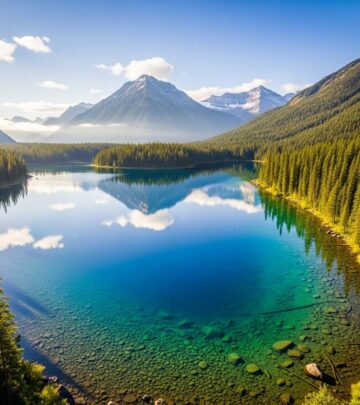
Introduction
North America is blessed with a dazzling array of lakes, each offering unique scenery, water clarity, and outdoor experiences. From the alpine depths of Lake Tahoe to the coastal dune lakes of Florida, this article explores 15 of the continent’s clearest lakes—where you can see the bottom, swim in pristine waters, and enjoy some of the most spectacular views nature has to offer. Ready to dive into the clearest waters? Read on to discover North America’s most breathtaking lake destinations.
1. Lake Tahoe | Nevada and California
Lake Tahoe, straddling the border between Nevada and California, is North America’s largest alpine lake, renowned for its astonishing clarity and deep blue waters. With a maximum depth of 1,645 feet and over 75 miles of shoreline, Tahoe’s water is so pure that underwater visibility can extend to 70 feet, making it a paradise for scuba divers and snorkelers. The lake’s clarity is preserved by strict environmental protections and minimal urban runoff.
- Best For: Swimming, scuba diving, boating, lakefront dining.
- Don’t Miss: Hyatt Regency Lake Tahoe’s private beach and floating Pier 111 Bar, with panoramic views of the Sierra Nevada sunsets.
- Local Tips: Visit the Nevada side for quieter beaches and luxury resorts.
- Environmental Note: Tahoe’s clarity faces challenges from climate change and development, so responsible tourism is key.
2. Boundary Waters Canoe Area Wilderness | Minnesota
The Boundary Waters Canoe Area Wilderness (BWCAW) in Minnesota’s Superior National Forest is a paddler’s paradise, home to over 1,000 lakes and streams. This vast wilderness area remains largely untouched, with crystal-clear waters reflecting the surrounding boreal forests. The area is paddle-only, ensuring a tranquil experience free from motorboat noise.
- Best For: Canoeing, kayaking, camping, wilderness solitude.
- Don’t Miss: Sunrise over Grace Lake—a pristine wilderness experience.
- Local Tips: Plan ahead; permits are required, and early booking is recommended.
- Environmental Note: The BWCAW’s purity is protected by its remote location and strict conservation rules.
3. Western Lake | South Walton, Florida
Western Lake, located in Grayton Beach State Park, is one of Florida’s rare coastal dune lakes—a natural phenomenon found in only a handful of places worldwide. Its emerald-green waters and sugar-white sand beaches offer a striking contrast to the turquoise Gulf of Mexico nearby. Western Lake is ideal for paddleboarding, kayaking, and nature walks.
- Best For: Stand-up paddleboarding, kayaking, birdwatching, beachcombing.
- Don’t Miss: The tranquil waters of Western Lake at sunrise or sunset.
- Local Tips: Rent a cottage or vacation home nearby for easy access.
- Environmental Note: The lake’s clarity is maintained by natural filtration through the surrounding dunes.
4. Lake Lure | North Carolina
Nestled in the Blue Ridge Mountains, Lake Lure is a man-made treasure fed by the Rocky Broad River. The lake’s clear waters are framed by forested hills, creating a magical setting for boating, swimming, and lakeside relaxation. Lake Lure is also known for its family-friendly attractions, including the Flowering Bridge and the Right Track Toy Museum.
- Best For: Boating, swimming, hiking, family vacations.
- Don’t Miss: The Lake Lure Flowering Bridge and the lazy river at Wyndham Resort.
- Local Tips: Explore the Hickory Nut Gorge for scenic hikes and waterfalls.
- Environmental Note: The lake’s clarity benefits from its mountain watershed and careful management.
5. Flathead Lake | Montana
Montana’s Flathead Lake is the largest freshwater lake west of the Mississippi, famous for its striking sapphire and turquoise hues. Its clarity comes from glacier-fed mountain streams, mineral-rich “glacial flour,” and a healthy ecosystem. Wild Horse Island, the lake’s largest island, offers hiking, wildlife viewing, and stunning vistas.
- Best For: Fishing, boating, hiking, wildlife photography.
- Don’t Miss: Exploring Wild Horse Island and its resident bighorn sheep.
- Local Tips: Visit in late July or August for cherry-picking at local orchards.
- Environmental Note: The lake’s clarity is maintained by minimal development and clean inflows from Glacier National Park.
6. Redfish Lake | Idaho
Redfish Lake, set in Idaho’s Sawtooth Mountains, is named for the sockeye salmon that once turned its waters red during spawning season. Today, the lake’s clear waters are surrounded by hiking trails, campsites, and the historic Redfish Lake Lodge, making it a hub for outdoor enthusiasts.
- Best For: Hiking, camping, boating, fishing, water sports.
- Don’t Miss: Live music on the lawn at Redfish Lake Lodge and September’s Plein Air Painters event.
- Local Tips: The 17.5-mile trail around the lake offers some of the best views.
- Environmental Note: Conservation efforts focus on restoring salmon populations and water quality.
7. More Clearest Lakes in North America
While the lakes above are standouts, many others across the continent offer remarkable clarity and beauty. These include:
| Lake Name | Location | Notable Feature |
|---|---|---|
| Crater Lake | Oregon | Deepest lake in the U.S., famous for deep blue water |
| Lake Chelan | Washington | Glacier-fed, one of the clearest and deepest lakes |
| Torch Lake | Michigan | Caribbean-like turquoise waters, popular for boating |
| Green Lake | Wisconsin | Spring-fed, extremely clear, surrounded by parks |
| Lake George | New York | “Queen of American Lakes,” historic, scenic |
| Lake McDonald | Montana | Located in Glacier National Park, stunning mountain views |
What Makes a Lake Clear?
The clarity of a lake depends on several factors:
- Natural Filtration: Lakes fed by underground springs or glacier meltwater tend to be clearer.
- Minimal Pollution: Lakes surrounded by protected forests or remote areas have less runoff and pollution.
- Depth and Size: Deeper lakes often have clearer water, as sediment settles to the bottom.
- Low Nutrient Levels: Lakes with low nutrients (oligotrophic) support less algae, keeping the water clear.
- Conservation Efforts: Strict environmental regulations help preserve water quality.
Frequently Asked Questions (FAQs)
Q: What is the clearest lake in the United States?
A: Lake Tahoe is often cited as the clearest large lake in the U.S., with underwater visibility up to 70 feet. Crater Lake in Oregon is another top contender, known for its deep blue, ultra-clear waters.
Q: Are these lakes safe for swimming?
A: Yes, most of these lakes are safe for swimming, with excellent water quality. Always check local advisories and conditions before swimming.
Q: Can you scuba dive in these lakes?
A: Many, like Lake Tahoe and Lake Champlain, offer excellent scuba diving opportunities due to their clarity—some even have underwater attractions and submerged forests.
Q: What is the best time of year to visit?
A: Summer is ideal for swimming and boating, while fall offers stunning foliage at many mountain lakes. Always check seasonal access, as some alpine lakes may be snowbound in winter.
Q: How can I help preserve these lakes?
A> Follow “Leave No Trace” principles, use biodegradable sunscreen, avoid littering, and support local conservation efforts.
Conclusion
North America’s clearest lakes are natural treasures, offering not just breathtaking beauty but also a refuge for outdoor enthusiasts, families, and adventure seekers. Whether you’re paddling through the Boundary Waters, swimming in Lake Tahoe, or relaxing on the shores of Western Lake, these pristine waters invite exploration, relaxation, and awe. By visiting responsibly and supporting conservation, we can ensure these lakes remain clear and vibrant for generations to come.
Planning Your Trip
When planning a visit to any of these lakes, consider:
- Season: Check for the best time to visit based on weather and activities.
- Accommodations: Book early, especially for popular destinations like Lake Tahoe and the Boundary Waters.
- Activities: Research local tours, rentals, and guided experiences.
- Packing: Bring appropriate gear for swimming, hiking, or paddling, and always carry out what you bring in.
Embark on your journey to discover the clearest waters North America has to offer—and create memories that will last a lifetime.
References
Similar Articles







Read full bio of medha deb


