
Why Is My Dog Peeing a Lot? Causes, Diagnosis, and When to Worry
Understand the signs, medical causes, and urgent situations that explain why your dog is urinating more than usual.

Why Is My Dog Peeing a Lot?
It can be alarming to notice your dog urinating more frequently or in greater volumes than usual. This behavior, whether it means more trips outside or accidents in the house, isn’t just an inconvenience—it can be a potential sign of underlying health issues. Understanding the difference between normal behavioral quirks and medical conditions is essential for every pet owner. In this comprehensive guide, you’ll learn about the many reasons dogs may pee a lot, when it’s an emergency, and what actions to take for your pet’s wellbeing.
Table of Contents
- Understanding Excessive Urination in Dogs
- Emergency Signs to Watch For
- Common Medical Causes for Frequent Urination
- Other Reasons for Your Dog Peeing a Lot
- How Vets Diagnose the Problem
- Treatment Options and Prognosis
- Prevention and Monitoring Tips for Pet Owners
- Frequently Asked Questions (FAQs)
Understanding Excessive Urination in Dogs
Excessive urination, known medically as polyuria (large amounts of urine) or pollakiuria (abnormally frequent urination, often in small volumes), can be a sign of several different issues in dogs. It is crucial to distinguish whether your dog is passing normal or increased volumes of urine, or simply urinating more frequently in smaller amounts.
- Polyuria: Large volumes of dilute urine, often paired with excessive thirst (polydipsia).
- Pollakiuria: Frequent urination with small amounts released each time, may indicate inflammation, infection, or urinary blockage.
Occasional increases may be caused by higher fluid intake, excitement, or environmental changes. However, persistent changes warrant careful observation and often prompt veterinary evaluation.
Emergency Signs to Watch For
Some situations demand urgent medical attention. If your dog displays any of the following in addition to frequent urination, contact a veterinarian immediately:
- Straining or inability to urinate
- Blood in the urine
- Visible pain while urinating
- Collapse or severe lethargy
- Vomiting
- Discolored urine (very dark, bloody, or cloudy)
- Excessive thirst that cannot be satisfied
Complete inability to urinate is a life-threatening emergency and should be treated as such.
Common Medical Causes for Frequent Urination
A variety of medical issues can trigger excessive urination or increased frequency in dogs. These range from relatively simple problems to complex metabolic or systemic diseases. Some of the primary culprits include:
1. Increased Water Intake
Dogs may pee more simply because they are drinking more water due to hot weather, exercise, or certain foods. However, increased thirst itself can signal an underlying health condition.
2. Urinary Tract Infection (UTI)
UTIs are among the most common causes of frequent urination and are more prevalent in female dogs. Symptoms may include:
- Sudden increase in urination frequency
- Straining to urinate, passing small amounts
- Blood (pinkish tinge) or cloudy appearance in urine
- Inappropriate urination (accidents indoors)
- Excessive licking of the genital area
UTIs are usually treatable with antibiotics prescribed by a veterinarian.
3. Diabetes Mellitus
When a dog’s body cannot properly use glucose, the kidneys try to expel the excess sugar, drawing water with it. Signs include:
- Increased thirst and urination
- Increased appetite
- Weight loss despite eating well
- Possible development of cataracts
Diabetes requires lifelong management.
4. Kidney Disease
Chronic or acute kidney disease can result in a dog’s kidneys failing to concentrate urine, resulting in more frequent and copious elimination. Other accompanying symptoms may involve:
- Lethargy and reduced appetite
- Vomiting
- Weight loss
- A dull coat
Older dogs are more at risk.
5. Bladder Stones
Bladder stones are mineral conglomerates that irritate the bladder, causing discomfort and frequency. Key symptoms include:
- Straining to urinate
- Bloody urine
- Frequent attempts with small amounts released
- Possible urine obstruction (medical emergency)
Diagnosis and treatment usually require imaging and, possibly, surgery.
6. Hormonal Imbalance
Certain hormonal disorders can dramatically affect urination:
- Cushing’s Disease (hyperadrenocorticism): Characterized by increased thirst, urination, changes in appetite, and sometimes thinning skin or coat.
- Addison’s Disease (hypoadrenocorticism): Less common, may cause reversal in appetite, lethargy, and gastrointestinal upset as well as urination problems.
- Other endocrine diseases, such as hypothyroidism, may also play a minor role.
Hormonal imbalances are often identified via blood and urine testing.
7. Side Effects of Medications
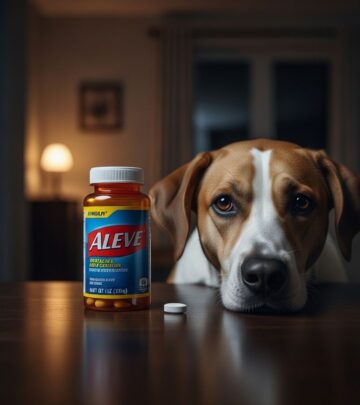
Medications such as diuretics (used in heart disease or high blood pressure) and corticosteroids may dramatically increase urination. Always inform your vet if frequent urination coincided with starting a new medication.
8. Age-Related Incontinence
Senior dogs often develop urinary incontinence due to weakening bladder muscles, nerve dysfunction, or age-associated diseases. This can result in:
- More accidents indoors
- Dripping urine while walking or sleeping
- Reduced ability to hold urine, especially overnight
Incontinence is distinct from medical causes that increase overall urine volume.
Other Reasons for Your Dog Peeing a Lot
1. Behavioral Changes
Not all frequent urination is medical. Behavioral issues can also lead to accidents or marking, for example:
- Stress or Anxiety: Moving homes, a new pet, changes in routine, or owner absence can all trigger urination as a stress response.
- Territory Marking: Mostly seen in unneutered males, but female dogs may also mark territory inside the house.
- Cognitive Dysfunction: Senior dogs may forget previous house training.
Behavioral urination typically lacks additional signs such as increased thirst, weight loss, or changes in urine appearance.
2. Dietary Factors
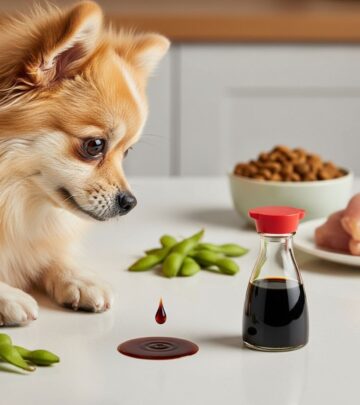
Consuming salty treats, electrolyte solutions, or processed foods may increase thirst—and therefore urination.
3. Environmental Contributors
Heat, exercise, and access to abundant water encourage dogs to drink and urinate more, which is often normal. However, persistent symptoms signal a need for a veterinary visit.
How Vets Diagnose the Problem
Your veterinarian will conduct a multi-step investigation to determine why your dog is peeing excessively:
- Physical exam: Basic health check and assessment of hydration, bladder, and discomfort.
- Urinalysis: Checks for bacterial infection, presence of blood, glucose, or abnormal substances.
- Bloodwork: Provides insights into kidney and liver function, sugar levels, blood cell counts, and hormone concentrations.
- Imaging (ultrasound or X-rays): Used to visualize stones, tumors, or structural abnormalities.
- Specialized testing: May be necessary for hormonal disorders, cancer, or unusual infections.
Treatment Options and Prognosis
The treatment plan is entirely dependent on your dog’s specific diagnosis. Some common treatments include:
- Antibiotics or anti-inflammatories for infections or mild UTIs
- Surgery for removing bladder stones or tumors
- Insulin (if diabetes is the cause)
- Hormonal medications for diseases like Cushing’s or Addison’s
- Dietary changes to address dietary causes
- Lifestyle adjustments for senior or incontinent pets
Never restrict your dog’s water intake unless instructed by your veterinarian. Limiting water can cause dehydration and may worsen many underlying problems.
The prognosis depends on what is causing the excessive urination and how quickly it is addressed. Early intervention improves the likelihood of successful outcomes.
Prevention and Monitoring Tips for Pet Owners
- Observe and record any changes in your pet’s drinking or bathroom habits.
- Take regular urine samples to the vet if your dog has a history of urinary tract issues.
- Encourage bathroom breaks at regular intervals, especially with senior dogs.
- Watch for other symptoms: weight loss, changes in appetite, vomiting, or lethargy.
- Schedule annual veterinary checkups for early detection of chronic diseases.
If your dog’s urination seems excessive or is accompanied by any alarming symptoms, do not delay in seeking veterinary care.
Frequently Asked Questions (FAQs)
When should I worry about my dog peeing a lot?
If your dog is urinating more often in larger or smaller amounts, especially if you see other symptoms like blood in the urine, pain, straining, lethargy, vomiting, or they cannot urinate, seek veterinary attention promptly.
Can I safely limit my dog’s water if they’re peeing too much?
No. Never restrict your dog’s water unless your veterinarian specifically tells you to. Water restriction can cause dehydration and worsen many medical conditions.
What is the difference between a medical and a behavioral cause?
Medical causes often involve changes in the volume and nature of urine, and are frequently associated with other symptoms (e.g., increased thirst, change in energy). Behavioral reasons usually occur without changes in the volume of urine or additional symptoms.
How do veterinarians diagnose the cause?
Diagnosis generally includes a physical examination, urinalysis, bloodwork, and sometimes imaging or further specialized tests.
What are some common conditions that cause my dog to pee a lot?
Frequent causes include urinary tract infections, diabetes, kidney disease, bladder stones, hormonal imbalances, age-related changes, and certain medications.
Can age make my dog urinate more often?
Yes. Senior dogs can develop incontinence or diseases that affect their ability to control urination, even if urine production has not necessarily increased.
What should I do if my dog’s frequent urination doesn’t go away?
Consult your veterinarian, even if your dog is acting otherwise normal. Persistent urination changes, especially if ongoing for more than 24 hours, often indicate an underlying medical problem requiring assessment and possibly treatment.
References
- https://gsvs.org/blog/dog-excessive-urination-emergency/
- https://vetster.com/en/symptoms/dog/excessively-frequent-urination-pollakiuria
- https://www.dogster.com/dog-health-care/why-is-my-dog-peeing-a-lot
- https://www.petmd.com/dog/conditions/reproductive/8-common-urinary-problems-dogs
- https://smart.dhgate.com/dog-peeing-a-lot-causes-of-excessive-urination-in-dogs/
- https://vcahospitals.com/know-your-pet/testing-for-increased-thirst-and-urination
- https://vcahospitals.com/know-your-pet/dog-behavior-problems-house-soiling
- https://articles.hepper.com/why-does-my-dog-pee-so-much/
- https://atlanticvh.com/press/petmd-com-10-most-contagious-dog-diseases/
Similar Articles






Read full bio of medha deb


