
Why Do Dogs Eat Poop? Understanding Coprophagia in Dogs
Positive routines and balanced diet can curb unsavory habits in our furry friends.
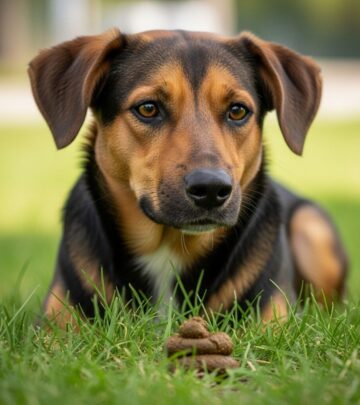
Coprophagia—the scientific term for poop eating—is a behavior in dogs that baffles and disgusts many pet owners. Despite how unappealing it seems to humans, eating feces is surprisingly common in the canine world, especially among certain populations. Unpacking the roots, risks, and solutions to this issue is key for every conscientious dog owner.
What is Coprophagia?
Coprophagia refers specifically to the act of eating feces. This behavior can involve a dog consuming its own stool, the feces of other dogs, or even other species. While it may seem revolting, it is a normal (though undesirable) canine behavior with a range of triggers and meanings.
How Common Is Poop Eating in Dogs?
- Research suggests that up to 16% of dogs are considered “serious” poop eaters, meaning they are caught eating stool frequently.
- An additional 24% will engage in this habit at least once.
- Coprophagia appears across various ages and breeds, though it is more common in multi-dog households and rescues.
Why Do Dogs Eat Poop? The Main Causes
Multiple factors—ranging from evolutionary instincts to modern environmental influences—contribute to coprophagia in dogs.
1. Ancestral and Survival Instincts
Coprophagia may be an inherited survival trait from wild ancestors who scavenged and consumed feces to clean dens and prevent parasite accumulation in communal spaces. This behavior may have also helped hide the scent of vulnerable puppies from predators.
2. Learned and Developmental Behavior
- Mother’s grooming: Mother dogs instinctively clean up after their puppies by licking them and ingesting their feces to keep the den clean. Puppies may mimic this behavior.
- Puppy exploration: Young dogs often explore their environment with their mouths. This curiosity-driven sampling can include fecal matter, especially if they’ve observed their mother doing so.
3. Nutritional Deficiencies and Hunger
- Diet lacking essential nutrients: Dogs whose diets are lacking in vitamins, nutrients, or calories may attempt to compensate by eating feces, which can contain undigested remnants that smell appealing to them.
- Inefficient digestion: Dogs with digestive issues or conditions that inhibit nutrient absorption (malabsorption) may seek extra nutrition through feces.
- Infrequent feeding: Dogs left hungry for long periods are more likely to scavenge for any available food source, including poop.
4. Medical Causes
Occasionally, coprophagia signals an underlying health problem that requires veterinary intervention:
- Intestinal parasites
- Diabetes
- Cushing’s disease
- Thyroid issues
- Drugs that cause increased appetite (such as steroids)
- Malabsorption syndromes
Sudden onset of feces consumption, especially in older dogs, always merits a consultation with a veterinarian to rule out these issues.
5. Environmental and Behavioral Factors
- Isolation: Dogs deprived of social interaction or kept in kennels/basements are more likely to develop the habit.
- Confinement: Restriction to small spaces (such as shelters or cages) predisposes dogs to consume feces, sometimes as a stress response.
- Anxiety and harsh training: Harsh or punitive approaches to house training can foster a vicious cycle where the dog eats its own feces to avoid punishment.
- Attention-seeking: Dogs may learn that poop eating provokes a dramatic reaction from their owner, reinforcing the behavior.
- Associative confusion: Feeding dogs near their eliminative area, or improper distinction between smells of food and feces, may blur the lines for the dog.
- Presence of sick or elderly pets: If a weaker dog soils itself, some healthy dogs may eat the feces—possibly from protective pack instincts or confusion.
6. Imitative Behavior
Puppies may observe and copy their mother or other adult dogs, or get confused by the scent of feces on their mother’s breath—especially if the mother has just cleaned up a litter.
7. Curiosity and Taste
Some dogs are simply attracted to the texture, scent, or taste of certain types of poop, particularly if it is fresh. Different animals’ droppings (such as cats or wild animals) may be especially tempting due to their unique digestive byproducts.
Is Eating Poop Dangerous for Dogs?
While not always medically urgent, coprophagia does carry health risks:
- Parasite transmission: Consuming feces increases exposure to intestinal worms and protozoa, leading to possible infections.
- Bacterial infections: Disease-causing bacteria present in feces can transmit Salmonella, Campylobacter, or E. coli to the dog—or even humans via contact.
- Toxins and foreign material: If feces contain remnants of harmful substances (e.g., medications, pesticides or mold), your dog can ingest dangerous toxins.
- Disruption of gut flora: Eating contaminated fecal matter can upset the dog’s natural gut microbiome, leading to digestive troubles.
How to Prevent and Manage Coprophagia
Prevention and correction require consistent management, environmental control, and sometimes behavioral training:
- Clean up promptly: Remove all feces from your yard and immediate environment as soon as your dog eliminates.
- Establish a positive routine: Praise your dog for proper bathroom habits away from food or water sources. Supervise outdoor time to interrupt and redirect if you notice interest in feces.
- Adjust diet if needed: Feed a balanced, high-quality dog food tailored to your dog’s age and health status. Consider talking to your veterinarian about possible dietary deficiencies.
- Structured feeding: Set consistent meal times, and avoid excessive hunger between meals.
- Separate food and elimination areas: Never feed your dog near where they eliminate.
- Address underlying anxiety: Use positive reinforcement techniques during training. Avoid harsh punishments that may provoke shame or anxiety around bathroom activities.
- Enrich your dog’s life: Provide toys, puzzles, social interaction, and regular walks to reduce boredom or isolation-driven behavior.
- Veterinary check-up: Schedule an appointment if coprophagia suddenly develops or persists, to rule out parasites, metabolic issues, and other health problems.
- Commercial deterrents: There are commercial products and dietary supplements that claim to make feces taste unpleasant to dogs, but their effectiveness varies and should never replace proper management.
Should You Worry? When to Call the Vet
Coprophagia often disturbs owners more than it endangers dogs, but professional consultation is recommended if:
- The behavior begins suddenly in an older dog
- It is accompanied by symptoms such as weight loss, vomiting, diarrhea, or appetite changes
- Multiple dogs in the household develop the habit at the same time
- Your dog is consuming the feces of unfamiliar animals or different species (increases risk of toxins and parasites)
Veterinarians will examine your dog for nutritional issues, digestive conditions, or metabolic diseases, and provide guidance on management and potential dietary changes.
Tips for Owners: Making Your Dog’s Environment Poop-Free
- Walk your dog on a leash so you can monitor bathroom behavior closely.
- Keep cats’ litterboxes out of your dog’s reach—they are common sources for canine coprophagia.
- Use outdoor spaces where unknown animal droppings are less likely to be present.
- Train a reliable “leave it” command to interrupt interest in feces.
Coprophagia in Puppies vs. Adult Dogs
| Age Group | Typical Causes | Outlook |
|---|---|---|
| Puppies | Curiosity, observation of mother, mouth exploration, trial behavior | Often outgrown with age and proper training |
| Adults | Habit, learned behavior, stress, nutrition, health problems | May require intervention; check for new medical issues |
Frequently Asked Questions (FAQs)
Why does my dog eat poop only from certain animals?
Some dogs are more attracted to the scent, taste, or digestive byproducts in feces of specific animals such as cats, rabbits, or horses. These may contain undigested nutrients or unique aromas appealing to dogs.
Is coprophagia more common in certain breeds?
There is no solid scientific evidence linking coprophagia to specific dog breeds, but anecdotal evidence suggests it might be more frequent in multi-dog households or certain environmental settings.
Can a dog get sick from eating poop?
Yes. Dogs can acquire internal parasites, bacterial infections, or toxins from consuming fecal material. The risk depends on the source of the feces and the dog’s health status.
Will adding meat tenderizer or deterrents to food help?
Some commercial additives claim to make poop taste unappealing, but results are mixed. Environmental management and behavioral modification tend to be more effective.
Will my dog outgrow eating poop?
Many puppies outgrow poop eating with age and proper training, supervision, and prompt cleanup. In adults, coprophagia often persists without intervention.
Summary: Key Takeaways
- Coprophagia is relatively common in dogs and can have both behavioral and medical causes.
- Prompt feces removal, positive reinforcement training, and a healthy diet are vital prevention steps.
- Medical causes—such as parasite infestation or nutrient malabsorption—require veterinary diagnosis and treatment.
- With observation, intervention, and care, most dogs can be discouraged from this unsavory habit.
References
- https://www.akc.org/expert-advice/health/why-dogs-eat-poop/
- https://www.thekennelclub.org.uk/health-and-dog-care/health/health-and-care/a-z-of-health-and-care-issues/why-does-my-dog-eat-poop/
- https://www.britannica.com/story/why-do-dogs-eat-poop
- https://nationalzoo.si.edu/center-conservation-genomics/news/why-do-animals-eat-poop-and-why-it-might-be-good-thing
- https://pmc.ncbi.nlm.nih.gov/articles/PMC5980124/
- https://www.animalhumanesociety.org/resource/poop-there-it-real-story-behind-why-your-dog-eats-poop
Similar Articles


Read full bio of Sneha Tete


