
What to Feed Your Dog When Battling a Yeast Infection
Natural foods and supplements soothe irritation and support your dog's wellness.
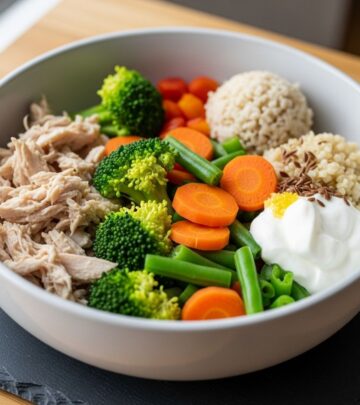
When your dog is persistently itchy, develops pungent skin odors, or begins to lose fur, a yeast infection might be the culprit. Nutrition is a crucial part of treatment. This article outlines which foods to avoid, which to prioritize, why these choices matter, and additional holistic strategies to help your dog reclaim comfort and health.
Understanding Yeast Infections in Dogs
Yeast is a fungus that naturally inhabits a dog’s digestive tract, ears, and skin. Under certain conditions—such as immune suppression, allergies, or prolonged antibiotic use—yeast can explode in numbers, leading to itchy, red, or smelly skin, chronic ear infections, paw licking, and more. Addressing your dog’s diet can limit yeast’s food supply, helping bring relief and promote recovery.
Foods to Avoid When Your Dog Has a Yeast Infection
Certain foods fuel yeast overgrowth; avoiding them is the first step towards managing symptoms:
- Grains (wheat, corn, barley): High in carbohydrates, these break down into sugars, which feed yeast colonies.
Tip: Grains in kibble and treats are common problem sources. - Starchy vegetables (potatoes, peas): Although touted as healthy, these contain natural sugars and starches that can perpetuate yeast growth.
- High-carb foods (rice, oatmeal, pasta): Even in small quantities, these are digested into sugars.
- Sugary foods (honey, syrup, high-sugar fruits): Sugar directly feeds yeast. Restrict bananas, apples, and avoid added sweeteners altogether.
- Processed dog food (commercial kibble, treats): These often contain fillers, artificial flavors, and preservatives that stress the immune system and contribute to inflammation.
- Most dairy products (except unsweetened yogurt/kefir): Lactose acts as a sugar source; only probiotics-rich, unsweetened dairy can help restore balance.
Why Does Diet Matter for Yeasty Dogs?
Yeast thrives in environments rich in simple sugars and carbohydrates. Kibble and other processed foods can contain 30-70% carbohydrates, providing ample fuel for fungal growth. Carbohydrate overload not only feeds yeast but also contributes to gut inflammation. Chronic inflammation damages the intestinal lining, weakening the immune system and making it easier for yeast to take hold. Furthermore, highly processed foods can contain Advanced Glycation End Products (AGEs) generated by high-heat manufacturing, which have been linked to accelerated yeast growth and general health decline.
Best Foods to Feed a Dog With a Yeast Infection
Luckily, there are plenty of nutritious, yeast-unfriendly foods:
- Lean proteins (chicken, turkey, fish): Provide essential amino acids for healing and muscle maintenance without excess carbs.
- Leafy greens (spinach, kale): Nutrient-dense vegetables that supply antioxidants to boost the immune system. Lightly steam for better digestibility.
- Coconut oil: Contains caprylic acid with natural antifungal properties. Mix a small amount into meals to support internal and external healing.
- Bone broth: Soothes inflammation and supports gut lining health. Serve as a hydrating treat or food topper.
- Plain, unsweetened yogurt/kefir: Rich in probiotics, which help restore normal gut bacteria to keep yeast in check.
- Other low-starch vegetables (broccoli, zucchini): Add fiber and vitamins without feeding yeast.
Supplements and Natural Remedies Supporting Healing
In addition to dietary tweaks, these supplements can enhance your dog’s recovery:
- Probiotics: Found in plain yogurt and kefir or as dedicated supplements; they restore a healthy gut microbiome, outcompeting yeast.
- Omega-3 fatty acids: From fish oil or flaxseed oil, these help reduce skin inflammation and promote healing.
- Coconut oil: Applied externally, it soothes itching and irritation; added to food, it offers antifungal support.
- Digestive enzymes: Aid in breaking down food, helping to prevent gut imbalances that favor yeast.
- Apple cider vinegar (ACV): A small amount added to meals or diluted and used topically can help maintain proper pH and support a healthy skin barrier.
- Quercetin: A natural antihistamine and antioxidant, it helps calm inflammation triggered by allergies.
- Olive leaf powder: Contains oleuropein, studied for its role in helping detoxify yeast.
Homemade Dog Food Recipe for Yeast Overgrowth
A simple, well-balanced homemade meal can go a long way in supporting your dog’s recovery from a yeast infection. Here’s a recipe to try:
| Ingredient | Purpose & Notes |
|---|---|
| 1 lb lean ground turkey | Lean, low-carb protein source |
| 1/2 lb chicken hearts (chopped) | Rich in essential amino acids and minerals |
| 1 oz beef liver (chopped) | Vitamin-rich; supports detox pathways |
| 2 eggs (no shell) | Complete, bioavailable protein |
| 1/2 cup kale (chopped) | Antioxidants; supports immune health |
| 1/2 cup broccoli (chopped) | Fiber, vitamins; support gut health |
| 2 tbsp bone meal | Mineral content: calcium and phosphorus |
| 2 tbsp apple cider vinegar | Supports detoxification, balances pH |
| 2 tbsp ground pumpkin seeds | Vitamin E; helps with parasites, too! |
| 2 tsp turmeric | Anti-inflammatory, antioxidant |
| 2 cloves garlic (crushed) | Gut and liver support |
| 2 tsp ginger (grated) | Supports gut/liver function |
| 2 tsp MCT oil | Caprylic acid; antifungal |
| 1 tsp chlorella | Detoxifies heavy metals/toxins |
| 1/2 tsp kelp | Iodine source; balances thyroid |
| Add before serving: Omega-3 oil (fish oil) | Reduces inflammation, supports skin and immune health |
| 1/2 tsp Himalayan pink salt | Provides trace minerals |
Directions:
- Mix all meats and organs thoroughly in a large bowl.
- Add eggs, kale, broccoli, and remaining dry/wet ingredients (except Omega-3 and salt).
- Mix well to distribute supplements and vegetables.
- Divide into portions according to your dog’s weight (about 16 oz daily for a 50-lb dog, adjust as needed).
- Add Omega-3 oil and pink salt just before serving.
This recipe may be doubled or tripled for convenience and stored in the fridge or freezer in airtight containers. Remember to introduce new foods gradually and consult your veterinarian, particularly if your dog has underlying health conditions.
Meal Preparation Tips
- Balance nutrients: Homemade meals should be complete and balanced—consult a veterinary nutritionist for specifics.
- Smooth transitions: Shift diets gradually over several days to avoid digestive upset.
- No table scraps: Human foods, especially those containing wheat, sugars, or additives, can counteract your efforts.
- Watch for allergies: If your dog reacts badly to a new ingredient, eliminate it and try a substitute.
- Keep hydrated: Ensure your dog has access to plenty of fresh water; yeast infections can dehydrate your pet quickly.
Frequently Asked Questions (FAQs)
What is a yeast infection in dogs?
Yeast infections are an overgrowth of naturally occurring fungi, mainly of the Malassezia species, affecting skin, paws, or ears, leading to itchiness, odor, and irritation.
Which foods make yeast infections in dogs worse?
Foods high in simple carbohydrates, sugars, grains, starchy veggies, and processed commercial foods will often worsen the problem by fueling yeast growth.
Are any fruits or grains safe during recovery?
It’s best to avoid fruits with high sugar or grains during the acute healing phase. Once your dog’s symptoms resolve, low-glycemic berries in moderation may be reintroduced, but always consult your vet first.
How soon will my dog see improvements?
Some dogs demonstrate improvement within a week of making dietary changes; for chronic or severe cases, it can take several weeks or months for symptoms to resolve completely.
Can supplements alone cure yeast infections?
Supplements such as probiotics, coconut oil, and omega-3s play a vital supportive role but are most effective when paired with dietary changes and veterinary care.
Should I avoid all carbohydrates?
While reducing carbohydrates is essential, your dog still needs fiber for digestive health and beneficial gut bacteria. Select non-starchy vegetables for this purpose.
Key Takeaways
- Cut out all grain, starchy foods, sugars, and processed ingredients.
- Focus on fresh, high-protein meals and low-starch vegetables.
- Support healing with antifungal and anti-inflammatory supplements as advised.
- Maintain patience—consistent dietary management is crucial for lasting results.
- Consult your veterinarian before making significant changes or if you suspect other underlying issues.
Addressing your dog’s diet is a powerful way to tackle persistent yeast infections from the inside out. With the right nutrition, supportive remedies, and a watchful eye, your canine companion can recover comfort, vitality, and a happier, itch-free life.
References
- https://goodwag.com/blogs/news/what-to-feed-when-dog-has-a-yeast-infection
- https://mypetnutritionist.com/post/how-to-help-my-yeasty-dog/
- https://fourleafrover.com/blogs/natural-health/what-to-feed-a-dog-with-yeast-infection
- https://www.purina.com/articles/dog/health/skin-fur-ears/yeast-infection-in-dogs
- https://millsmarietta.com/blog/dog-yeast-infection-on-paw/
- https://www.vets4pets.com/pet-health-advice/dog-advice/yeast-infections-in-dogs/
Similar Articles




Read full bio of medha deb


