
Seizures in Puppies: Causes, Symptoms, Treatment, and Care
Recognizing subtle episodes and timely therapy helps your young dog stay safe and thrive.

Seizures in Puppies: Causes, Symptoms, Diagnosis, Treatment, and Care
Seizures in puppies can be alarming and distressing to witness, but with knowledge and proper care, pet owners can respond quickly and ensure the best outcomes for their young dogs. Seizures are surprisingly common in dogs, though their causes and treatments depend on age, breed, genetics, and other factors. This guide explores everything you need to know about seizures in puppies, including typical causes, warning signs, diagnostic strategies, treatment options, prevention, and how to help your pet during an episode.
What Is a Seizure in Puppies?
A seizure is a sudden, involuntary burst of electrical activity in the puppy’s brain that temporarily disrupts normal neurologic functions. Depending on the severity, seizures can range from subtle changes in behavior to dramatic muscle contractions and loss of consciousness. They represent a symptom—a physical reaction to an underlying cause—rather than a disease by themselves.
Types of Seizures in Puppies
- Generalized Seizures: Affect both sides of the brain and cause symptoms such as muscle contractions, spasms, jerking, and sudden collapse. More dramatic and noticeable.
- Partial (Focal) Seizures: Affect a specific area on one side of the brain. Symptoms may include behavioral changes, hallucinations (snapping at invisible objects), dilated pupils, or coordination problems. These can be subtle and mistaken for odd behavior.
Partial seizures can sometimes develop into generalized seizures if left untreated, highlighting the importance of early intervention.
Causes of Seizures in Puppies
Understanding what causes a puppy to have a seizure is the first step to helping prevent and treat future episodes.
Common Causes
- Idiopathic Epilepsy: The most common cause and often inherited, though the exact reason remains unknown. Certain breeds are predisposed to this disorder.
- Brain Abnormalities: Includes structural problems, excess fluid in the brain, or malformations present at birth.
- Infections: Diseases like canine distemper, toxoplasmosis, or other infectious agents can cause inflammation and seizures.
- Metabolic Disorders: Issues with the kidneys, liver, or blood sugar can trigger seizures. Liver shunts (where blood bypasses proper detoxification) are an example, common in young dogs and puppies.
Hypoglycemia (low blood sugar), hypocalcemia (low calcium), and electrolyte imbalances are also causes.
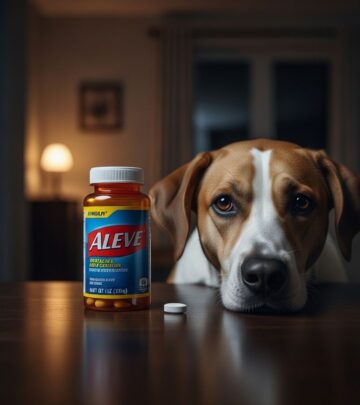
- Toxins and Poisons: Ingesting harmful substances such as chocolate, caffeine, lead, pesticides, or certain medications can provoke seizures.
- Trauma to the Head: Falls, accidents, or other injuries affecting the brain.
- Autoimmune Diseases: Conditions where the immune system attacks brain or nerve tissues.
- Temperature Extremes: Severe heat stroke or hypothermia can precipitate seizures.
Breed and Age Susceptibility
Some dog breeds and age groups are more prone to seizure disorders:
- Beagle
- German Shepherd
- Golden Retriever
- Cocker Spaniel
- Poodle
- Boxer
- Miniature Schnauzer
- Saint Bernard
Puppies may be affected by conditions unique to their age, such as congenital liver shunts or infections contracted early in life.
Symptoms of Seizures in Puppies
Identifying the warning signs of a seizure is essential for prompt response and care. Symptoms vary by the type and severity of the seizure:
- Generalized Seizures:
- Sudden collapse
- Jerking, twitching, or paddling movements of limbs
- Stiffening of muscles
- Loss of consciousness
- Drooling or foaming at the mouth
- Loss of bladder or bowel control
- Focal (Partial) Seizures:
- Strange, repetitive behaviors (snapping at air, barking at invisible objects)
- Sensitivity to touch or sound
- Temporary loss of coordination
- Change in pupil size or eye movement
- Facial twitching
- Unusual aggression or fearfulness
Some seizures are brief (lasting less than a minute), while others are prolonged and warrant emergency attention. Puppies may seem confused, tired, or restless before or after a seizure—a phase known as the “pre-ictal” and “post-ictal” state.
Diagnosing Seizures in Puppies
Seizures have many potential causes, so a veterinarian’s assessment is crucial to ensure accurate diagnosis and treatment.
Diagnostic Steps
- History and Observation: The vet will ask about recent exposures (toxins, trauma), medical background, and specific seizure symptoms.
- Physical Examination: Assess for injuries, neurologic symptoms, and overall health.
- Blood and Urine Tests: Screen for metabolic issues, liver/kidney disorders, electrolyte imbalances, and infections.
- Advanced Imaging: In some cases, a CT scan or MRI may be needed to visualize brain structure and detect abnormalities such as tumors or malformations.
- CSF Analysis: Sampling cerebrospinal fluid can help identify infections or inflammatory conditions.
- Electrocardiogram (ECG): Rarely, used to rule out heart-related triggers.
The diagnostic process aims to eliminate potential causes such as poisoning, trauma, or systemic disease, which may affect both puppies and adult dogs.
Treatment and Management of Seizures in Puppies
Treatment depends on the underlying cause and the severity and frequency of the seizures. It is important to work closely with a veterinarian and never attempt home remedies without professional guidance.
When Is Treatment Needed?
- More than one seizure per month
- Clusters of seizures (back-to-back)
- Violent or prolonged seizures (lasting >5 minutes)
- Seizures in breeds with higher risk factors
If seizures are rare and mild, treatment may not be necessary—unless the underlying condition requires intervention.
Medications Used
- Phenobarbital
- Potassium Bromide (K-BroVet)
- Levetiracetam (Keppra)
- Zonisamide (Zonegran)
Multiple medications can be combined, especially if single-drug therapy is not effective. Dosing should be strictly as prescribed by the veterinarian. Once started, anti-seizure drugs should be administered for life, as abrupt discontinuation can worsen seizure activity.
Other Treatment Strategies
- Address Underlying Causes: Treat infections, metabolic disorders, or trauma after veterinary identification.
- Lifestyle Changes: Reduce exposure to triggers like stress, extreme noise (fireworks), or fatigue.
- Regular Monitoring: Keep detailed seizure logs (frequency, duration, symptoms) for review with your vet.
How to Care for a Puppy During a Seizure
Knowing what to do during a seizure can help protect your puppy and minimize injury.
- Stay Calm: Panicking increases risk; remain focused and gentle.
- Clear the Area: Move furniture and other items to provide space.
- Do Not Restrain: Let the seizure pass without holding or restricting movements.
- Protect the Head: Place a soft blanket or towel under your puppy’s head if possible.
- Never Put Anything in the Mouth: This can cause injury; puppies do not swallow their tongues.
- Monitor Duration: Note the length and symptoms; seek emergency care if the seizure lasts more than five minutes or repeats.
- After the Seizure: Puppies often seem disoriented or tired post-seizure; keep them quiet and comfortable, and contact your vet.
Prevention and Prognosis
While not all seizures can be prevented, there are steps pet owners can take to minimize risk and improve outcomes.
- Breed Screening: Choose puppies from breeders who screen for hereditary conditions.
- Vaccinations: Keep puppies up-to-date on recommended vaccines to reduce risk of infectious disease.
- Safe Environment: Lock away toxic foods, chemicals, and medications.
- Nutrition: Ensure balanced diets and hydration to avoid metabolic disturbances.
- Regular Veterinary Care: Schedule wellness exams and blood tests, especially for breeds at higher risk.
- Medication Compliance: Once prescribed, give anti-seizure medications as directed and never discontinue suddenly.
Most puppies with seizure disorders, especially idiopathic epilepsy, can live happy and fulfilling lives when managed properly. The prognosis varies depending on the cause: puppies with treatable metabolic issues or infections often recover, while those with congenital or genetic epilepsy may require lifelong care.
Frequently Asked Questions (FAQs)
What is the difference between a seizure and epilepsy?
Epilepsy is a chronic neurological disorder characterized by repeated seizures, but a seizure can result from many causes. Not every puppy with a seizure has epilepsy.
Should I rush my puppy to the emergency clinic for a seizure?
If the seizure lasts more than 5 minutes, includes repeated episodes in quick succession, or is accompanied by trauma, choking, or signs of severe distress, seek emergency veterinary care immediately.
Can puppies grow out of seizures?
Some puppies affected by metabolic or infectious causes may recover completely with appropriate treatment. Genetic epilepsy or brain conditions often require lifelong management.
What triggers seizures in puppies?
Common triggers include low blood sugar, exposure to poisons, infections, head trauma, stress, and certain breeds’ genetic predisposition.
Are seizure medications safe for young puppies?
Most anti-seizure medications are safe when prescribed by a veterinarian, but regular monitoring (including blood tests) is necessary to adjust dosages and check for side effects.
Table: Common Causes of Seizures in Puppies and Their Treatments
| Cause | Symptoms | Treatment |
|---|---|---|
| Idiopathic Epilepsy | Recurrent muscle spasms, collapse | Long-term anti-seizure drugs |
| Metabolic Disorders (Hypoglycemia/Liver Shunt) | Weakness, confusion, collapse, tremors | Diet modification, possible surgery |
| Infection (Canine Distemper, Toxoplasmosis) | Fever, neurologic symptoms, seizures | Antibiotics, supportive care, vaccination |
| Toxins/Poisons | Convulsions, vomiting, diarrhea | Immediate veterinary decontamination and supportive therapy |
| Trauma/Head Injury | Disorientation, paralysis, seizures | Emergency care, surgery if indicated |
When to Contact a Veterinarian
- First-time seizure in a puppy
- Seizure lasting more than five minutes
- Cluster seizures (multiple within minutes/hours)
- Unusual symptoms such as paralysis or persistent confusion
- Signs of poisoning, injury, or infection
If your puppy experiences any of these scenarios, immediate veterinary attention is needed for safety and prognosis.
Key Takeaways
- Immediate Care: Stay calm and protect your puppy during a seizure. Never try to restrain or put anything in their mouth.
- Diagnosis Is Essential: Veterinary evaluation will determine the cause and best treatment plan.
- Treatment: Many puppies live normal lives with medication and regular vet checkups.
- Prevention: Screening, vaccinations, safe home environment, and regular care reduce risk.
With prompt attention and ongoing management, most puppies with seizures can enjoy full, happy lives. Always consult your veterinarian if you have any concerns about your puppy’s health or behavior, and follow prescribed treatments closely.
References
- https://www.akc.org/expert-advice/health/seizures-in-dogs/
- https://vcahospitals.com/know-your-pet/seizures-general-for-dogs
- https://www.allpetsvh.com/site/blog/2022/05/31/seizures-in-dogs-causes-and-treatments
- https://www.webmd.com/pets/dogs/dog-seizure-disorders
- https://www.petmd.com/dog/symptoms/seizures-in-dogs
- https://www.vet.cornell.edu/departments-centers-and-institutes/riney-canine-health-center/canine-health-information/managing-seizures
- https://www.medvet.com/seizures-in-pets/
- https://www.carecredit.com/well-u/pet-care/dog-seizures/
- https://www.redcross.org/take-a-class/resources/learn-pet-first-aid/dog/seizures
Similar Articles







Read full bio of Sneha Tete


