
Italian Greyhound: Comprehensive Breed Guide and Care Tips
Tailored daily routines and attention help this graceful breed flourish in any home.

Italian Greyhound: Breed Overview, Care, and Living Guide
The Italian Greyhound is a miniature sighthound renowned for its elegant appearance, affectionate personality, and unique care needs. Whether you’re considering welcoming an Italian Greyhound into your home, or you’re already a proud owner, this comprehensive guide covers their origin, physical characteristics, temperament, daily living, training, health, grooming, and frequently asked questions to help you provide the best life for your Iggy.
Breed Overview
| Breed Group | Toy / Sighthound |
|---|---|
| Height | 13–15 inches (33–38 cm) at the shoulder |
| Weight | 7–14 pounds (3–6 kg) |
| Life Span | 12–15 years |
| Coat | Short, fine, and smooth |
| Colors | Variety, including black, blue, fawn, red, cream, grey; no brindle or black and tan for show |
| Origin | Italy |
History and Origin
The Italian Greyhound’s ancestry dates back over 2,000 years to the Mediterranean region, with evidence from ancient Greece and Rome depicting these miniature sighthounds as favored companions of nobility and aristocracy. Beloved by royalty across Europe—including the courts of Renaissance Italy—the breed was developed for both companionship and hunting small game. Their grace and aesthetics made them a subject in classical art and sculpture. Over centuries, their diminutive size and affectionate nature solidified their reputation as elegant lapdogs for the elite.
Physical Characteristics
- Build: The Italian Greyhound is petite yet muscular and athletic, with a deep chest, long legs, and an overall slender silhouette.
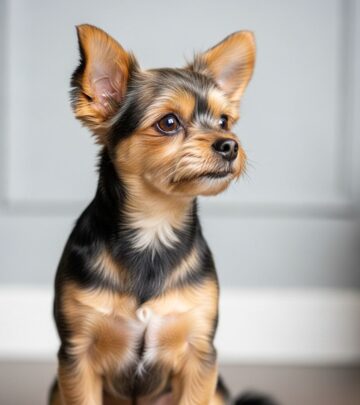
- Head and Face: Narrow skull, fine muzzle, large dark eyes, and small, folded ears set high.
- Tail: Long, tapered, and carried low.
- Gait: High-stepping, free, and smooth, often described as elegant and effortless.
- Coat: Short, glossy, velvety to the touch with minimal shedding.
- Colors: Found in a spectrum including black, blue, fawn, cream, red, grey, and sometimes marked with white patches on the chest or feet. Brindle and black-and-tan are not accepted in the show ring.
Temperament and Personality
Italian Greyhounds are gentle, affectionate, and loyal companions whose personalities are both endearing and nuanced. They form strong bonds with their families and tend to become closely attached to one or two people, frequently following them from room to room.
- Playful and Energetic: Enjoy short bursts of activity and games such as fetch but are equally happy to lounge on laps or snuggle under blankets for hours.
- Shy with Strangers: IGs may be timid or reserved around unfamiliar people, often requiring time to warm up to newcomers.
- Intelligent, Fast Learner: Respond well to positive reinforcement but may show some stubbornness or independence during training.
- Curious but Cautious: They like to investigate their surroundings, but their delicate build makes them wary of rough play.
- Quiet but Alert: Italian Greyhounds may bark to alert their owners to visitors, but generally are not overly vocal.
- Dependent: Often described as “velcro dogs”—they thrive on companionship and dislike being left alone for extended periods.
Living with an Italian Greyhound
IGs are adaptable to various home environments, from apartments to houses with fenced yards. Their small size and moderate exercise needs make them ideal for city living or smaller spaces, provided they get sufficient daily activity and mental stimulation.
- Socialization: Early and ongoing exposure to new people, places, and situations is crucial to prevent shy or anxious behaviors.
- Interaction with Children: Italian Greyhounds can live happily with older, gentle children who respect their fragility. Young children should always be supervised to avoid accidental injury to the dog.
- Interaction with Pets: Generally get along well with similar-sized dogs and cats. Rough play with larger breeds should be avoided due to risk of injury.
- Travel: Due to their small size and affectionate nature, IGs make good travel companions if properly socialized.
Exercise and Activity Needs
Despite their dainty appearance, Italian Greyhounds are agile, quick, and capable of impressive speed—up to 25 mph over short distances. Their exercise requirements are moderate:
- Daily Walks: Several short walks or play sessions per day (20–30 minutes).
- Safe Space for Running: Fenced yards or secure open areas are ideal; IGs love to sprint and chase.
- Indoor Play: They can burn energy inside by playing with toys or chasing a ball.
- Weather Considerations: Sensitive to cold and wet weather—invest in dog sweaters or jackets for chilly outings.
Training and Socialization
Training an Italian Greyhound requires patience and consistency. While they are intelligent, they may show independence or stubbornness, especially regarding housebreaking.
- Positive Reinforcement: Reward-based training, using treats and praise, is most effective.
- Short Sessions: Keep lessons brief and frequent; IGs respond better to play and short activities than to repetitive drills.
- Housebreaking Challenges: IGs can be difficult to fully house-train due to their sensitivity to cold and wet conditions. Consider litter boxes, doggy doors, or indoor potty solutions.
- Early Socialization: Introduce puppies to a wide range of people, places, and sounds to foster adaptability and reduce shyness.
Grooming and Maintenance
- Coat Care: Very low-maintenance—occasional brushing with a soft brush or damp cloth to remove loose hair and promote coat shine.
- Baths: Bathe only as needed with a mild dog shampoo.
- Dental Health: Prone to dental issues; brush teeth daily and provide dental chews or hard, abrasive foods to help clean teeth.
- Nail Trimming: Clip nails regularly to prevent painful overgrowth.
- Ear Cleaning: Check and gently clean ears to reduce the risk of infection.
Diet and Nutrition
Feed your Italian Greyhound a high-quality, age-appropriate commercial or home-prepared diet, formulated in consultation with your veterinarian. Portion size and caloric intake should be managed carefully to prevent obesity, which can put extra strain on their slender frames.
- Meal Routine: Two smaller meals per day reduce risk of digestive upset.
- Water: Fresh, clean water should always be available.
Common Health Issues
Though generally a healthy breed, Italian Greyhounds are prone to several hereditary and acquired health conditions:
- Fragile Bones: Due to their delicate limbs, IGs are at risk for fractures, especially when young or subjected to rough play.
- Dental Disease: Tartar buildup, gingivitis, and tooth loss are common; daily dental care is recommended.
- Patellar Luxation: Knee cap slipping out of place—characteristic of many small breeds.
- Progressive Retinal Atrophy (PRA): Degenerative eye disease that can lead to blindness.
- Hypothyroidism: A metabolic disorder sometimes seen in the breed.
- Epilepsy: Seizure disorders reported in some lines.
- Legg-Calvé-Perthes Disease: Condition involving deterioration of the femoral head in the hip joint.
Regular checkups with a veterinarian, dental cleanings, and appropriate vaccinations are essential for maintaining long-term health.
Adoption and Choosing a Healthy Puppy
- Reputable Breeders: Choose breeders who perform health screenings on their dogs and raise puppies in clean, loving environments.
- Rescue Groups: Italian Greyhound rescue organizations often have adults and puppies in need of homes.
- Puppy Evaluation: Look for puppies that are alert, playful, and comfortable with handling. Ask about health testing and vaccination records.
Pros and Cons of Italian Greyhound Ownership
| Pros | Cons |
|---|---|
| Affectionate and devoted companion | Fragile bones—risk of injury |
| Low shedding and minimal doggy odor | Housebreaking can be difficult |
| Adapts well to apartment living | Sensitive to cold/weather changes |
| Moderate exercise needs | Prone to dental issues |
| Good with gentle children and small pets | Reserved with strangers |
Is the Italian Greyhound Right for You?
This breed is ideal for people seeking an affectionate, graceful, and low-shedding companion who can tolerate a sensitive dog and provide plenty of attention. Households with gentle children, seniors, or singles in urban or suburban environments provide a good match, provided the IG is protected from cold and handled carefully to prevent injury.
Frequently Asked Questions (FAQs)
Q: Do Italian Greyhounds shed?
A: Italian Greyhounds shed very lightly due to their short, fine coats. Shedding is minimal and barely noticeable, making them suitable for people who prefer low-shedding dogs.
Q: How much exercise does an Italian Greyhound need?
A: Moderate daily exercise is sufficient. Several short walks or indoor play sessions will help meet their energy needs. Italian Greyhounds are equally content to sprint in safe, enclosed areas or relax at home.
Q: Are Italian Greyhounds good with children?
A: They can be good with older, gentle children who understand the dog’s fragility. Supervision is required around young children to prevent accidental injury to the dog.
Q: Are Italian Greyhounds easy to train?
A: They are intelligent and respond best to positive, reward-based training. However, housebreaking can sometimes be a prolonged process due to their sensitivity to cold and their independent nature.
Q: Are there any common health problems in the breed?
A: Yes, Italian Greyhounds can be prone to broken bones, dental disease, patellar luxation, eye disorders, and hypothyroidism, among others. Regular veterinary care and careful handling are essential.
Q: Do Italian Greyhounds do well in apartments?
A: Yes, their small size and moderate activity needs make them well-suited to apartment living, as long as they receive sufficient exercise and companionship.
Summary
The Italian Greyhound is an elegant, affectionate, and intelligent companion—ideal for those seeking a gentle, playful, and loyal pet in a conveniently small package. Their care requirements focus on gentle handling, daily companionship, moderate exercise, dental hygiene, protection from the cold, and consistent, patient training. With the right family, the Italian Greyhound is a devoted and loving friend, bringing grace and affection into the home for many years.
References
- https://www.petful.com/dog-breeds/breed-profile-italian-greyhound/
- https://www.aspcapetinsurance.com/resources/italian-greyhound/
- https://www.hillspet.com/dog-care/dog-breeds/italian-greyhound
- https://www.purina.co.uk/find-a-pet/dog-breeds/italian-greyhound
- https://www.akc.org/dog-breeds/italian-greyhound/
- https://en.wikipedia.org/wiki/Italian_Greyhound
Similar Articles







Read full bio of Sneha Tete


