
Best Ways to Soften and Care for Your Dog’s Paws
Routine conditioning keeps your pup’s feet flexible and safe on any surface.
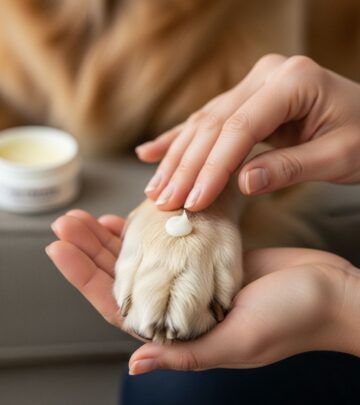
Your dog’s paw pads do more than just help with walking—they absorb impact, protect joints, and provide traction. Over time, however, those tough pads can become overly dry, cracked, or rough, leading to discomfort or injury. This article explores comprehensive and veterinarian-approved strategies for softening and maintaining healthy paw pads, so your pup can stay active and pain-free.
Understanding Why Paw Pads Get Rough and Dry
Dog paw pads are designed to withstand movement and pressure, but they’re not immune to wear. Their specialized structure, including fatty tissue and thick outer layers, acts as natural shock absorbers. Still, environmental conditions and daily activities can strip away moisture, leaving paws hard or brittle.
- Frequent exposure to rough terrain or sidewalks builds calluses, but excessive hardening can lead to splits and cracks.
- Extreme weather—hot pavement, icy sidewalks, or road salts—dries out the skin and triggers discomfort.
- Underlying issues such as nutritional deficiencies or allergies can also contribute to dryness.
It’s normal for dogs to develop some texture, but sharp or rough pads signal a need for intervention. The right goal isn’t to make them extremely soft, but rather flexible, resilient, and free from injury.
Paws Under Pressure: What Makes Healthy Pads?
| Healthy Paw Pads | Troubled Paw Pads |
|---|---|
| Slightly rough, firm texture | Cracked, brittle, or peeling skin |
| Good traction and grip | Limping, licking, or sensitivity |
| Moist, but not mushy | Redness, bleeding, or open sores |
Properly cared-for paw pads balance durability with enough moisture to prevent splitting—not too soft, but not painfully tough.
Common Paw Pad Problems When Care Is Skipped
- Bleeding or stinging cracks
- Splitting calluses
- Bacterial or fungal infections
- Persistent licking, chewing, or limping
- Allergic reactions from environmental irritants
If left untreated, even minor roughness can progress to open wounds or infections, so make paw care a routine part of pet grooming.
Top Techniques to Soften and Heal Dog Paw Pads
1. Cleaning and Basic Grooming
- Wipe paws after each walk to remove dirt, salt, and debris that can cause irritation or dryness.
- Trim nails regularly. Overgrown nails force pressure onto the pads, compounding discomfort and cracking.
- Trim excess fur around the paws. This prevents matting, reduces moisture buildup, and makes it easier to spot issues.
- Dry paws thoroughly, especially after walks in rain or snow, to fend off fungal growth and waterlogging.
2. Moisturizing with Dog-Safe Balms
Paw balms are formulated specifically for canine needs, unlike human lotions, which may contain harmful fragrances, alcohol, or chemicals. Look for unscented, lick-safe, fast-absorbing balms. Apply after walks when the pads are clean and the pores open, and reapply for cracked or callused areas until you see improvement.
- Choose balms made with natural oils (e.g., coconut, olive, shea butter) and beeswax for safe moisturizing.
- Avoid human lotions, as ingredients can cause stomach upset or allergic reactions if licked.
- For severe cracks, use balms that promote healing and provide temporary barrier protection.
- Keep your dog busy with a treat or toy after application to allow time for absorption.
3. Managing Environmental Hazards
- Avoid hot pavement—in summer, stick to grass or shaded walks to prevent burns and dryness.
- Steer clear of salted sidewalks during winter, as salt dehydrates pads and can cause chemical burns.
- Don’t let dogs walk on ground covered with ice-melting products; rinse off paws thoroughly if unavoidable.
4. Inspect and Treat Injuries Immediately
- Check paw pads regularly for cuts, swelling, or soreness.
- For open, raw, or bleeding spots, clean with a mild antiseptic solution (like diluted betadine) before moisturizing.
- Seek veterinary care for signs of infection (redness, pus, swelling) or persistent wounds.
5. Diet and Internal Health
- Feed a balanced diet rich in essential fatty acids (like omega-3s) for skin and pad health.
- Provide supplements if recommended by your vet, especially for dogs prone to dry skin.
6. Use of Protective Gear When Needed
- Dog booties can be useful for walks on abrasive terrain or extreme weather.
- Booties help prevent exposure to salt, frosty conditions, or hot surfaces and reduce risk of injury.
How to Apply Paw Balms and Moisturizers
The most effective routine involves application after cleaning, preferably after a walk when the paw pads are warm. Massage a thin layer onto each pad, focusing on cracks or calluses. For severe dryness, use balm twice daily until improvement is observed. Patience is key—some healing may take several days to a week.
- Always use balms labeled “dog safe” (unscented, edible, and fast-absorbing).
- Never use strong medicated creams without veterinary approval.
- Monitor for allergic reactions such as excessive licking, swelling, or redness.
FAQ: Frequently Asked Questions About Dog Paw Care
Q: How often should I apply paw balm?
A: For maintenance, once daily is sufficient; for cracked or damaged paws, reapply twice daily until healed. Always clean paws first.
Q: Can I use coconut oil or olive oil?
A: Yes, both are safe and nourishing as dog paw moisturizers. Use small amounts and massage in thoroughly so your dog doesn’t slip or lick it all off.
Q: Are human lotions safe for dogs?
A: No. Human lotions often contain ingredients that are unsafe for dogs and may cause stomach upset or allergic reactions if licked.
Q: What if my dog’s paw pads bleed or split?
A: Clean the area gently with a mild antiseptic solution. Apply a dog-safe balm. If bleeding persists or signs of infection appear, consult a veterinarian.
Q: Is it possible to make paw pads too soft?
A: Yes. Over-conditioning can reduce traction and increase injury risk, especially on rough terrain. Aim for balance—supple and flexible, not mushy or thin.
Paw Pad Care All Year Round
Seasonal changes can dramatically affect paw pad health. In winter, icy sidewalks and road salt sap moisture, while in summer, scorched pavement burns sensitive skin. Pay attention to environmental shifts:
- Rinse and dry paws after snowy walks to remove ice and salt.
- Check for signs of burns or discomfort after summer walks on pavement.
- Increase balm use during extreme weather, and consider booties in harsh conditions.
When to See a Veterinarian
- Persistent pad wounds, deep cracks, or bleeding that doesn’t resolve within days.
- Visible swelling, pus, or foul odor—signs of infection.
- Unexplained lameness, excessive licking, or chewing.
- Symptoms of allergies (redness, hives, persistent irritation).
Your vet can recommend medicated formulas for chronic paw problems and screen for underlying causes like allergies or nutrition.
Tips for Preventing Cracked, Dry, or Painful Paws
- Stick to regular grooming, including nail and fur trimming.
- Avoid harsh environments—hot pavement, icy surfaces, salty roads.
- Use natural, dog-safe moisturizers consistently.
- Maintain a well-balanced diet with skin-supporting nutrients.
- Watch for signs of discomfort after walks and make adjustments as necessary.
Paw Pad Strength vs. Softness: Striking the Right Balance
| Softening (Moisturizing) | Toughening (Conditioning) |
|---|---|
| Reduces cracking and splits | Prevents punctures on rough terrain |
| Restores flexibility and comfort | Provides natural traction |
| Prevents infections from open wounds | Thickens skin for protection |
Most dogs benefit from walks on hard surfaces to build some callus while regular moisturizing keeps pads supple and injury-free.
Simple Home Remedies to Support Paw Health
- Coconut Oil: Antibacterial and moisturizing; massage gently after cleaning.
- Shea Butter: Deeply hydrating and safe for dogs—apply thinly.
- Beeswax: Offers a protective barrier against environmental hazards.
Always use these treatments in moderation and check for any allergic reactions before routine application.
Conclusion: Committing to Consistent Paw Care
Healthy paw pads are central to your dog’s comfort and mobility. With the right blend of cleaning, moisturizing, trimming, and environmental awareness, you can keep your dog happy and active in any season. Prioritize routine checks and dog-specific products, and adjust your care plan based on activity levels and weather. Prevention and timely attention are your best tools for a lifetime of safe and joyful adventures with your pup.
References
- https://www.legendscreekfarm.com/blogs/legends-blog-home-page/how-to-soften-dog-paws
- https://youdidwhatwithyourweiner.com/how-to-keep-your-dogs-paw-pads-from-tearing-or-getting-cut/
- https://www.youtube.com/watch?v=24WJkY5Kkf0
- https://wagwalking.com/grooming/condition-dogs-paw-pads
- https://www.petmd.com/dog/general-health/how-to-protect-dog-paws-summer
- https://www.masterclass.com/articles/cracked-dog-paws
Similar Articles






Read full bio of Sneha Tete


