
Breakfast Foods That Cause Bloating and What to Eat Instead
Fiber-packed grains and gentle proteins support digestion without discomfort.
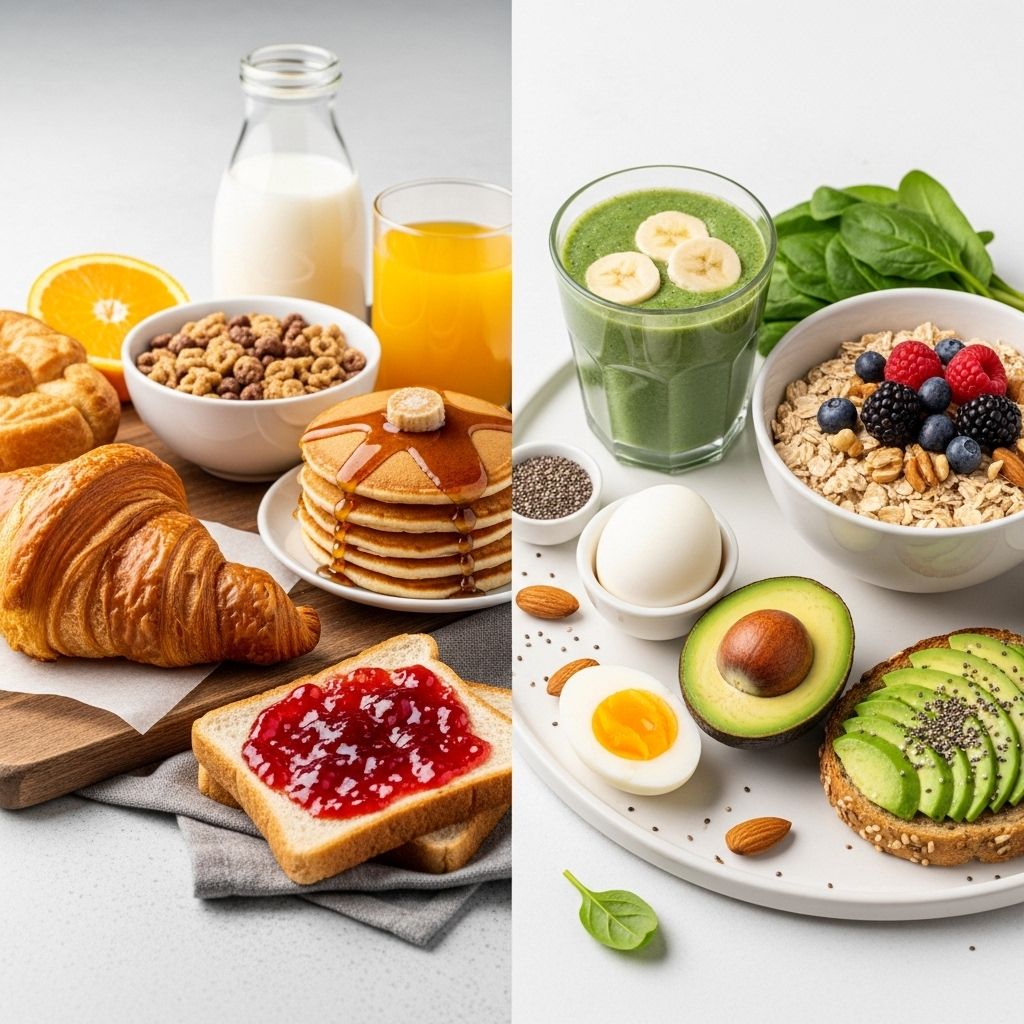
Breakfast Foods That Cause Bloating—and What to Eat Instead
Many beloved breakfast staples can cause digestive discomfort, leaving you feeling heavy, bloated, or sluggish right as you start your day. From high-fiber grains to sugary pastries, understanding why certain foods trigger bloating and how to choose alternatives can transform your morning routine for the better.
Understanding Bloating
Bloating is the uncomfortable swelling or distension of the stomach often experienced after eating. This sensation can stem from gas production, water retention, or underlying digestive sensitivities, including intolerances to particular foods or ingredients. According to research, around 30% of people regularly experience bloating, making it a common concern.
Main Culprits: Breakfast Foods that Cause Bloating
- Pastries and Sweetened Breads: Pancakes, waffles, muffins, and croissants are loaded with refined carbohydrates and added sugars, which can spike blood sugar and promote water retention, leading to bloating.
- Bread and Toast: Especially whole wheat or gluten-containing breads, which are high FODMAP foods and can trigger bloating for those sensitive to wheat or gluten. Fructans in wheat are fermented by gut bacteria, causing gas and bloating.
- Cereals: Breakfast cereals, even those claiming to be “healthy,” often contain substantial amounts of sugar and lack adequate fiber, making digestion challenging and contributing to bloating.
- Greasy, Fried Foods: Bacon, hash browns, and breakfast sandwiches are high in unhealthy fats and sodium, slowing down digestion and leading to water retention and bloating.
- Dairy: Milk, cream, and some yogurts are high-lactose foods. If lactose intolerant, these can result in fermentation in the gut, causing bloating and gas.
- Onions and Garlic: Common in savory breakfasts, these vegetables are high in fructose and FODMAPs, which can ferment in the gut and produce gas, especially in sensitive individuals.
- High-Fiber Fruits: Apples, while nutritious, contain fiber and sorbitol—both may cause excess gas and bloating in people unaccustomed to high-fiber diets.
How These Breakfast Foods Trigger Bloating
Bloating is typically caused by one or more of these mechanisms:
- Sugar alcohols and FODMAPs: Ingredients like fructans (in wheat and onions) and sorbitol (in apples) are fermented by gut bacteria, producing gas.
- Refined Carbohydrates: Rapid digestion and fermentation, coupled with blood sugar spikes, lead to water retention and slow digestion.
- Lactose intolerance: Insufficient lactase means lactose is fermented by bacteria in the colon, resulting in gases and discomfort.
- High-fat, salty foods: These delay gastric emptying and encourage fluid retention.
Table: Common Breakfast Bloaters & Digestive Effects
| Food Type | Bloating Trigger | Alternative | Notes |
|---|---|---|---|
| Pancakes, Muffins, Croissants | Refined carbs, sugar | Oats, whole grain bread (low FODMAP) | Can spike blood sugar & water retention |
| Bread & Toast (wheat) | Gluten, fructans (FODMAPs) | Gluten-free bread, sprouted grain bread | Check for wheat/gluten intolerance |
| Cereal | Added sugars, low fiber | Unsweetened oats, granola | Read labels for sugar content |
| Bacon, Hash Browns | Grease, sodium, fat | Baked sweet potatoes, turkey bacon | Fatty, slow to digest |
| Milk, Cream | Lactose | Plant-based milks, Greek yogurt | Avoid if lactose intolerant |
| Onions, Garlic | Fructose, FODMAPs | Chives, herbs | Substitute for sensitive stomachs |
| Apple | Sorbitol, high fiber | Berries, bananas (low FODMAP) | Limit if unfriendly to fiber/sugar alcohols |
Healthy Breakfast Choices for a Bloat-Free Morning
Nutrition experts emphasize selecting breakfast foods that help maintain stable blood sugar, support gut health, and provide lasting energy without digestive discomfort. Consider these alternatives, which are less likely to cause bloating:
- Vegetables: Spinach, zucchini, tomatoes, and bell peppers are low in sugar and high in antioxidants, fiber, and water—great for gut health and digestion.
- Oats: Naturally gluten-free and a good source of soluble fiber, oatmeal rarely leads to bloating, especially when cooked with water or non-dairy milk. Top with chia seeds and fresh berries for added benefits.
- Greek Yogurt & Cottage Cheese: High in protein and probiotics, these dairy products support gut flora and digestion. Opt for plain varieties to avoid excess sugar, and add fiber-rich toppings.
- Eggs: Poached or scrambled, eggs are a gentle protein source and rarely cause bloating when cooked with minimal fat.
- Nut Butters: Almond and peanut butters are high in healthy fats but easy on digestion—pair with low-FODMAP fruits or gluten-free toast.
- Fruit Choices: Bananas, blueberries, and strawberries are low-FODMAP fruits that hydrate and energize without uncomfortable gas.
- Homemade Smoothies: Blend spinach, cucumber, banana, and a scoop of vegan protein powder for a filling breakfast minimising bloat.
Expert Tips to Minimize Bloating
- Soak Beans and Pulses: If you enjoy beans for breakfast, rinsing and soaking can reduce problematic carbohydrates, decreasing gas formation.
- Avoid Artificial Sweeteners: Sugar alcohols like sorbitol and xylitol, common in “diet” breakfast bars and yogurts, can ferment in the gut and trigger bloating. Choose unsweetened or naturally sweetened items.
- Portion Control: Eating oversized servings of grains or high-FODMAP foods increases the likelihood of bloating. Moderation helps the digestive system cope more effectively.
- Read Labels: Check for added sugars, sodium, and ingredients like wheat, milk, or fructose. Opt for plain, minimally processed foods.
- Balance Your Plate: Prioritize meals that offer a mix of protein, fiber, and healthy fats to support stable digestion and sustained energy.
Hot vs. Cold Breakfasts: Does Temperature Matter?
While some people find warm meals more comforting and easier to digest due to the heat stimulating digestion, others prefer cold foods, particularly in summer. Ultimately, experts advise that ingredient quality and nutritional balance matter far more than temperature. Monitor your body’s response to various meals and adjust your routine to what feels best for you.
Frequently Asked Questions (FAQs)
Which breakfast foods are most likely to make me feel bloated?
Heavy, refined carbohydrate foods such as pancakes, waffles, muffins, and pastries; wheat-based breads and toast; highly processed cereals; greasy fried items like bacon and hash browns; and high-lactose dairy products are the top culprits for morning bloating.
Are there healthy breakfast options for people sensitive to bloating?
Yes. Focus on vegetables, oatmeal (preferably gluten-free if needed), plain Greek yogurt or cottage cheese, eggs, low-FODMAP fruits like bananas and berries, and healthy sources of fat and protein. Avoid large quantities of wheat, onion, garlic, and apple if you’re sensitive.
Can eating cold foods cause bloating?
No direct evidence suggests that the temperature of food alone causes bloating. Many people enjoy cold breakfasts such as overnight oats and yogurt with fruit without discomfort. The key is balanced nutrition and your individual digestive sensitivity.
How can I tell if I’m intolerant to a breakfast food?
Keep a food diary tracking symptoms and meal ingredients. Notice patterns in bloating, gas, or discomfort linked to specific foods. You may consider testing for allergies or intolerances (e.g., lactose, gluten) and consulting with a healthcare practitioner.
What are FODMAPs, and why do they matter for breakfast?
FODMAPs are types of carbohydrates (fermentable oligo-, di-, mono-saccharides and polyols) that are poorly absorbed and easily fermented by gut bacteria, causing gas, bloating, and digestive upset. High-FODMAP breakfast foods include wheat, onions, milk, and apples.
I love fruit for breakfast. Which varieties are less likely to cause bloating?
Bananas, blueberries, strawberries, grapes, and citrus fruits are lower in FODMAPs and generally gentler on digestion than apples, pears, and watermelon.
Key Takeaways for a Bloat-Free Breakfast
- Refined grains and sweets—pancakes, muffins, and pastries—are frequent causes of bloating; opt for whole grains and oats.
- Greasy, fatty proteins like bacon and sausage prolong digestion and increase water retention.
- Lactose-containing dairy and high-FODMAP foods such as wheat toast, onions, and apples commonly cause digestive discomfort in sensitive individuals.
- Prefer vegetable-rich, yogurt-based, or oat-centered breakfasts with low sugar, moderate healthy fats, and a balance of protein and fiber.
- Adjust food choices and preparation methods—like soaking beans or choosing plain yogurt—for easier digestion.
Recap: Sample Bloat-Free Breakfast Ideas
- Overnight oats with chia seeds, almond milk, and blueberries
- Scrambled eggs with spinach, tomatoes, and gluten-free toast
- Plain Greek yogurt topped with strawberries and sunflower seeds
- Protein smoothie with cucumber, banana, spinach, and vegan protein powder
- Baked sweet potato slices with cottage cheese and fresh herbs
Start your morning right by staying mindful of how your body responds to different foods. With the right choices, you can enjoy breakfast that energizes and satisfies without the discomfort of bloating.
References
- https://www.healthline.com/nutrition/13-foods-that-cause-bloating
- https://www.humnutrition.com/blog/bloating-relief/
- https://www.yorktest.com/us/blog/10-surprising-foods-that-give-you-bloating-and-gas/
- https://www.goodrx.com/well-being/gut-health/healthy-foods-that-cause-bloating
- https://www.webmd.com/digestive-disorders/ss/slideshow-surprise-gas-causes
- https://newsnetwork.mayoclinic.org/discussion/mayo-clinic-q-and-a-food-to-reduce-bloating/
Similar Articles








Read full bio of Sneha Tete


