
What Is Emotional Intelligence? Definition, Components, and Benefits
Explore the essential components of emotional intelligence, why it matters, and how to develop stronger emotional skills for life and work.
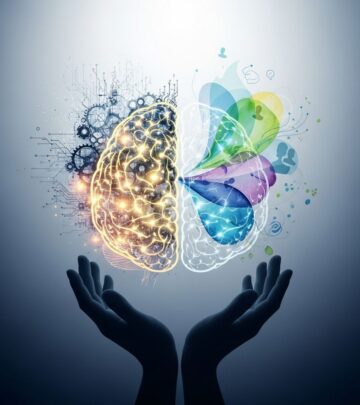
What Is Emotional Intelligence?
Emotional intelligence (often referred to as EQ or EI) describes the ability to perceive, understand, manage, and utilize emotions—both in yourself and in others. While traditional intelligence (IQ) measures cognitive abilities like reasoning and memorization, EQ relates to skills such as emotional awareness, self-regulation, and interpersonal understanding, which are essential for healthy relationships and professional success.
Understanding Emotional Intelligence
Like cognitive intelligence, EQ varies among individuals and can be developed over time. Emotional intelligence impacts how we handle stress, communicate, resolve conflicts, and make decisions. Psychologists and behavioral experts believe that EQ is crucial for workplace achievement, leadership effectiveness, and personal well-being.
- Emotional intelligence includes the capacity to recognize your feelings, control impulses, and understand the emotions of others.
- Research suggests EQ may be as important as or even exceed IQ in predicting personal and professional success.
- Key EQ skills can be cultivated through self-reflection, feedback, and practice.
Key Components of Emotional Intelligence
Leading EI researchers, such as psychologist Daniel Goleman, have identified five main components of emotional intelligence. Some frameworks, especially in business contexts, condense these into four core elements, but the underlying skills are consistent:
| Component | Description | Key Skills |
|---|---|---|
| Self-Awareness | Recognizing and understanding your own emotions, strengths, limitations, and values. | Accurate self-assessment, emotional insight |
| Self-Regulation | Managing or redirecting disruptive emotions and impulses, adapting to change. | Impulse control, adaptability, emotional self-control |
| Motivation | Being driven to achieve for intrinsic reasons (not just for external rewards like money or status). | Commitment, initiative, optimism |
| Empathy | Understanding others’ emotions and considering their feelings, especially when making decisions. | Organizational awareness, service orientation |
| Social Skills | Managing relationships, communicating clearly, inspiring and influencing others, working in teams. | Teamwork, conflict management, leadership |
1. Self-Awareness
Self-awareness means knowing what you feel and why you feel it. People high in this trait can identify and name their emotions, understand how these feelings affect their behavior, and recognize their strengths and limitations.
- Helps in making choices aligned with core values.
- Correction of negative patterns through honest self-reflection.
- Associated with increased self-confidence and resilience.
2. Self-Regulation
Once you’re aware of your emotional state, self-regulation is the ability to manage those emotions—especially in stressful situations. This involves pausing before reacting, resisting impulsive actions, and staying calm under pressure.
- Encourages patience, adaptability, and a positive outlook.
- Prevents regrettable decisions or communication outbursts.
- Supports ethical, responsible behavior, especially in leadership roles.
3. Motivation
Motivation in EQ refers to the inner drive to pursue goals for their own sake, maintain dedication, and persevere through obstacles. Highly motivated individuals display initiative, persistence, and an optimistic attitude in the face of setbacks.
- Intrinsic goals often yield greater satisfaction and sustained effort.
- Self-motivated people inspire and energize teammates.
- Linked to higher achievement and adaptability.
4. Empathy
Empathy is the awareness of others’ feelings, needs, and concerns. It allows you to appreciate diverse perspectives, sense the emotional climate of a room, and respond appropriately to subtle social cues.
- Facilitates conflict resolution and collaborative problem-solving.
- Crucial for providing emotional support and building trust.
- Includes noticing nonverbal cues and unspoken concerns.
5. Social Skills
Social skills enable effective communication, relationship management, and teamwork. High-EQ individuals engage constructively, resolve disagreements, and foster positive group dynamics.
- Effective listening, clear expression, and persuasion skills.
- Ability to lead, negotiate, influence, and connect with others.
- Maintain networks, collaborate, and support team members.
Emotional Intelligence vs. IQ
IQ measures intellectual reasoning, logical problem-solving, and memory. In contrast, EQ focuses on handling emotions and social dynamics. Research indicates that EQ can be a stronger predictor of life and workplace success than IQ, especially in jobs requiring interpersonal interaction or leadership responsibilities.
- IQ: Critical thinking, academic achievement, analytical skills.
- EQ: Relationship quality, conflict management, adaptability.
- Both influence outcomes, but EQ is more strongly linked to emotional health and social success.
Why Is Emotional Intelligence Important?
EQ is vital in almost every aspect of life. High emotional intelligence positively affects:
- Work performance: Better collaboration, leadership, and adaptability.
- Physical and mental health: Stress reduction, stronger coping skills, less anxiety and depression.
- Relationships: Increased trust, empathy, and conflict resolution ability.
- Decision making: More thoughtful, emotionally balanced choices in complex situations.
Benefits of High Emotional Intelligence
- Improved team productivity and satisfaction in the workplace.
- Stronger leadership and influence, regardless of official title.
- Greater resilience in the face of challenges or setbacks.
- Lower turnover rates in organizations and improved customer satisfaction.
Can Emotional Intelligence Be Learned?
Unlike fixed traits, emotional intelligence can be developed over time, regardless of genetic predisposition. Through practice, feedback, and an openness to growth, most people can increase their EQ and benefit in every area of life.
Ways to Improve Emotional Intelligence
- Practice self-reflection: Regularly assess your emotions, reactions, and what triggers them.
- Seek feedback: Invite honest observations from trusted colleagues or friends about your emotional impact.
- Develop empathy: Observe nonverbal cues, practice active listening, and seek to understand perspectives different from your own.
- Manage stress: Use relaxation, mindfulness, or breathing techniques to stay calm in high-pressure moments.
- Build strong relationships: Communicate clearly, show appreciation, and invest effort in supportive connections.
Emotional Intelligence in the Workplace
Modern workplaces value emotional intelligence as much as technical abilities. High-EQ employees tend to be better leaders and collaborators, resulting in enhanced team morale, creativity, and productivity.
- Leaders with high EQ: Inspire followership, resolve conflicts constructively, and foster inclusive environments.
- Team members with high EQ: Adapt easily to change, communicate effectively, and build trust-based relationships.
- EQ supports diversity, motivation, and the retention of top talent in organizations.
Barriers and Challenges
While EQ can be improved, some factors can hinder emotional growth:
- Cultural influences: Some societies prize emotional restraint, making it harder for members to express emotion openly.
- Personality differences: Genetics and upbringing influence baseline EQ and preferred communication styles.
- Stress and burnout: Chronic pressure reduces cognitive resources available for self-regulation and empathy.
Despite these challenges, intentional practice and supportive environments can foster higher emotional intelligence.
Applications of Emotional Intelligence
- Education: Helps learners manage anxiety, collaborate with peers, and build positive connections.
- Healthcare: Empathy and communication are crucial for patient care and teamwork among providers.
- Relationships: EQ enables partners, friends, and families to resolve differences and support one another.
- Leadership: Effective leaders use EQ to motivate, inspire, and guide others to success.
Frequently Asked Questions (FAQs)
What is emotional intelligence in simple terms?
Emotional intelligence (EQ) is the ability to recognize, understand, and regulate your own emotions, as well as to sense and respond effectively to the emotions of others.
How is EQ different from IQ?
IQ measures intellectual abilities like logical reasoning and memory, while EQ measures emotional and social skills such as self-regulation, empathy, and relationship management.
Can emotional intelligence be increased?
Yes, emotional intelligence is not fixed and can be improved with intentional effort, practice, self-reflection, and feedback.
Why is emotional intelligence important in the workplace?
EQ enables better communication, teamwork, leadership, and adaptability, which all contribute to higher productivity and job satisfaction.
What are some signs of high emotional intelligence?
- Self-awareness and emotional control even under stress
- Ability to empathize and respond appropriately to others’ feelings
- Constructive conflict resolution and open communication
- Maintains positive relationships and adapts well to change
Key Takeaways
- Emotional intelligence is a valuable asset in all areas of life, shaping relationships, decisions, and achievement.
- Five core components: Self-awareness, self-regulation, motivation, empathy, and social skills.
- EQ can be learned and strengthened with self-reflection and practice.
- Both individuals and organizations benefit from fostering emotional intelligence in daily interactions and long-term strategies.
References
- https://professional.dce.harvard.edu/blog/how-to-improve-your-emotional-intelligence/
- https://www.indeed.com/career-advice/career-development/emotional-intelligence
- https://online.hbs.edu/blog/post/emotional-intelligence-in-leadership
- https://www.talentsmarteq.com/the-4-components-of-emotional-intelligence/
- https://www.medicalnewstoday.com/articles/components-of-emotional-intelligence
- https://ewfinternational.com/5-components-emotional-intelligence-effective-leadership/
- https://en.wikipedia.org/wiki/Emotional_intelligence
- https://positivepsychology.com/emotional-intelligence-theories/
- https://www.simplypsychology.org/emotional-intelligence.html
Similar Articles








Read full bio of medha deb


