
Screen-Free Creative Writing Activities for Tweens: Inspiring Imagination Without Technology
Unplugged prompts spark imagination and boost storytelling confidence.
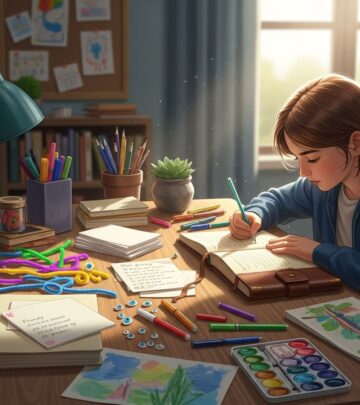
Tweens are perched at a vibrant crossroads of childhood curiosity and emerging self-expression. Creative writing, especially when practiced without screens, can ignite young imaginations, develop essential language skills, and foster resilience and empathy. Facing an era of digital overload, screen-free activities reclaim writing as a joyful, tactile, communal adventure. This comprehensive guide offers an array of engaging, hands-on writing activities tailored for tweens, designed to cultivate a lifelong love of storytelling—no devices required.
Table of Contents
- Why Choose Screen-Free Creative Writing?
- Free Writing: The Joy of Unstructured Expression
- Prompt-Driven Writing Games
- Collaborative & Story-Building Activities
- Sensory and Visual Prompts
- Physical, Movement-Based Writing Challenges
- Writing Clubs and Group Storytelling
- Making Writing Cool: Artistic and Alternative Formats
- Frequently Asked Questions (FAQs)
Why Choose Screen-Free Creative Writing?
In a world increasingly dominated by screens, unplugged writing sessions can offer crucial benefits for tweens:
- Boosts Focus: Free from digital distractions, tweens can immerse themselves fully in the creative process. This fosters deeper concentration and persistence.
- Strengthens Imagination: Without ready-made images or suggestions, young writers are compelled to envision characters, places, and plots purely from their own minds.
- Promotes Mindfulness and Well-being: Screen-free writing can lower stress, encouraging self-discovery and self-expression in a safe, reflective space.
- Enhances Social Skills: When done in groups, these activities promote listening, collaboration, and empathy.
- Builds Lasting Skills: Handwriting, editing on paper, and verbally sharing stories complement digital skills yet develop independently valuable competencies.
Free Writing: The Joy of Unstructured Expression
One foundational screen-free activity is free-writing, where tweens let their thoughts flow onto paper without worrying about spelling, grammar, or even making sense. The only rule: keep writing!
Benefits of regular free-writing sessions include:
- Reduces writing anxiety: With no pressure for perfection, tweens feel free to explore any idea, genre, or style about which they are passionate.
- Inspires creativity: The lack of strict rules stimulates curiosity and inventiveness.
- Encourages self-reflection: By journaling or free-writing, tweens explore emotions and observations about their world.
How to Run a Free-Writing Session: Set aside 10–20 minutes where everyone writes continuously. Provide a timer, some fun-writing prompts if inspiration is needed, and stress that work won’t be graded. Optionally, create a culture of sharing by inviting volunteers to read aloud what they’ve written, fostering community and validation for their unique voices.
Prompt-Driven Writing Games
Interactive games can turn writing into an exciting, playful experience. Below are some popular activities that stimulate creativity with simple, physical materials:
1. Story Cards and Storytelling Dice
- Prepare a set of cards with single words, phrases, or pictures (characters, objects, settings, actions). Children draw cards at random and include all of them in a spontaneous story, either written or spoken.
- Alternatively, use or make your own storytelling dice—dice with pictures or words on each face. Roll a set and challenge tweens to craft a story incorporating all elements shown. This method can spark imaginative scenarios, encourage problem-solving, and help with story plotting.
2. Mad Libs (Fill-in-the-Blank Stories)
- Create a short story or paragraph with key words omitted. Ask the group to fill in the blanks with their chosen nouns, verbs, adjectives, and more. When read aloud, these stories often become uproarious and unpredictable, making grammar practice fun and memorable.
3. Scrambled Paragraphs
- Write the sentences of a well-structured paragraph onto separate slips or cards. Challenge tweens to arrange them in logical, coherent order. This helps tweens internalize paragraph structure and develop logical sequencing skills.
4. Card Sorts
- Make sets of cards for concepts like figurative language, types of conflict, or story genres. Tweens sort and match cards, categorizing or assembling mini-stories, which reinforces writing fundamentals through tactile, social play.
Collaborative & Story-Building Activities
Writing doesn’t have to be solitary. Group activities can strengthen storytelling ability, social bonds, and critical thinking.
1. Round-Robin Stories
- Each participant starts a story with a few lines, then passes it to the next person, who continues the narrative. The process repeats until the story returns to the original author. Laughter and creative surprises are guaranteed, as each voice adapts and adds twists along the way.
2. Five-Minute Story Challenge
- Invite each writer to draw one slip from three baskets: one for characters, one for settings, one for conflicts.
- Set a five-minute timer. Each participant must write a short story using their chosen elements, perhaps opening with dialogue, then action, then setting.
- Sharing at the end encourages public speaking and fast-thinking skills.
3. One-Sentence Story Chains
- Sit in a circle and have each person contribute a single sentence at a time, building a collaborative story. The challenge is in making the transitions between ideas smooth, resulting in a tale that is unexpected and often comedic.
Sensory and Visual Prompts
Incorporating the senses and visuals can make stories richer and spark new creative pathways for tweens.
1. Picture Writing Prompts
- Show illustrations, intriguing photos, or even comic panels (printed out), and ask tweens to invent a story inspired by what they see. Encourage them to imagine the context before or after the moment captured in the image.
2. Eyebombing
- Distribute googly eyes and ask tweens to place them on common objects (e.g., rocks, cups, shoes). These “eyebombed” items then become the protagonists of new stories. Tweens write from the perspective of these now-personified objects, leading to side-splitting tales and empathy-building exercises.
3. Color-by-Number Storyboards
- Use color-by-number sheets where every color represents a different story element—blue for setting, green for character, red for action, and so on. As they color, tweens brainstorm matching descriptions or situations for those elements, then assemble the pieces into a story.
4. Write What You Feel: Sensory Word Banks
- Fill a box or bag with objects of different textures, smells, or sounds. Have tweens pick one with eyes closed, then write descriptions (and eventually stories) based on their sensory experience. This enriches their language and builds descriptive writing skills.
Physical, Movement-Based Writing Challenges
Young writers often need to move. Physical activities add dynamism to writing sessions, interweaving kinesthetic and linguistic intelligence:
- Scavenger Hunt Writing: Set up a list of prompts or vocabulary words to find within classroom objects or outdoor environments. Children write a sentence or micro-story about each item found, linking active play to language development.
- Walk-and-Write: During a stroll, pause periodically to jot down observations or quick ideas. Later, shape these notes into full stories or poems.
- Gesture-Based Inspiration: Have tweens act out emotions, verbs, or scenarios silently. Observing peers’ body language, others must write what they think was happening, creating stories guided by nonverbal cues.
Writing Clubs and Group Storytelling
Forming a writing group or club can fuel sustained interest and accountability. Here are ways to infuse energy and purpose into group writing:
- Themed Writing Sessions: Establish days devoted to particular genres: mystery, fantasy, poetry, news reporting, or personal essay. Rotating themes helps writers discover favorite formats.
- Peer Review Parties: Members share drafts and give positive, constructive feedback. Focus on what made each story compelling, then suggest one improvement.
- Storytelling Circles: Host a regular “open mic” featuring dramatic readings, with applause for every brave teller. Prizes or certificates for participation can boost confidence.
- Writers’ Olympics: Host friendly competitions: who can invent the zaniest character, describe a setting most vividly, or rewrite a fairy tale with the biggest twist?
- Collective Storybooks: Compile favorite pieces into a group anthology—handwritten, illustrated, and bound with craft supplies—for all to cherish.
Clubs provide support, motivation, and a venue to normalize both triumphs and struggles on the creative journey.
Making Writing Cool: Artistic and Alternative Formats
Intimidated by “blank page syndrome”? Offering creative twists on writing can help bypass fears and inspire even reluctant writers:
- Comic Strip Creation: Let tweens script and draw their own short comic strips on paper. The combination of art and text supports storytelling for both wordsmiths and visual thinkers.
- Writing as Art: Encourage the decorating of journals, the use of colorful pens, or writing on unusual surfaces (brown bags, leaves, coffee filters). Artistic presentation can turn writing into a multimedia project.
- Letters to the Future or Past: Have them write a “letter to myself at age 21,” or as if they were living in a different time period. Encourage vivid, historically accurate or imaginative detail.
- Recipe Stories: Ask tweens to invent a magical recipe (e.g., for a potion, monster snack, or superpower smoothie) and craft a story about its consequences.
- Map-Making: Invite children to draw a map of an imaginary place, then write stories or legends about its inhabitants and landmarks.
Frequently Asked Questions (FAQs)
Q: How can I motivate a reluctant writer to enjoy screen-free writing?
A: Offer a choice of activities, focus on fun rather than perfection, and celebrate creativity through sharing and group games. Pair writing with other interests, like art or drama, to make storytelling more engaging and approachable.
Q: How do I differentiate these activities for varied skill levels?
A: Encourage simple sentences for beginners and deeper character development or complex plots for advanced writers. Allow drawing or oral storytelling as alternatives, and provide open-ended prompts that can be adapted to any level.
Q: Which activities best build teamwork and social skills?
A: Story-chains, round-robin narratives, and writing clubs foster collaboration, attentive listening, and respectful feedback. These activities nurture community, respect, and a sense of belonging among tweens.
Q: Are physical writing activities more effective for energetic tweens?
A: Yes. Kinesthetic learners benefit from moving while writing. Scavenger hunts, gesture-based story prompts, and walk-and-write sessions keep energy high and channel enthusiasm into creativity.
Q: Can these activities be adapted for at-home or online groups?
A: Absolutely. Most can be done one-on-one, with families, or via snail mail writing “clubs.” For virtual groups, maintain the screen-free spirit by sending physical prompts, exchanging handwritten stories by mail, or creatively blending printouts and crafts.
Empowering Young Voices, One Page at a Time
Screen-free creative writing activities offer tweens a much-needed respite from the digital world, unlocking new avenues of self-expression, imagination, and joy. Through variety, flexibility, and encouragement, these unplugged adventures in storytelling will plant seeds for lifelong literacy and boundless possibility.
References
- https://www.writingmindset.org/blog/free-write
- https://readrelevant.com/4-screen-free-resources-to-keep-students-engaged-in-ela/
- https://www.nightzookeeper.com/blog/articles/writing-activities-for-kids
- https://laurarandazzo.com/three-creative-writing-tools-for-tweens/
- https://triciagoyer.com/writers-club/
- https://www.thinkingkidsblog.org/screen-free-activities-for-teens/
- https://community.thriveglobal.com/20-super-fun-screen-free-activities-for-kids-at-home/
- https://www.julienaturally.com/writing-activities-for-teens/
Similar Articles




Read full bio of Sneha Tete


