
Triglycerides: Why They Matter for Your Heart Health
Understanding triglycerides is crucial to heart health; learn what they are, their risks, and how to keep levels healthy.
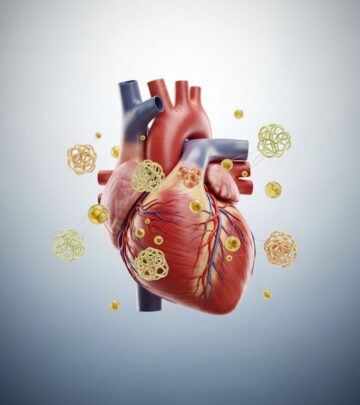
If you’re tracking your blood pressure and cholesterol, there’s another critical number to monitor: triglycerides. These blood fats play a fundamental role in energy metabolism, but high triglyceride levels can dramatically increase your risk of heart disease and other serious conditions. Understanding what triglycerides are, why they matter, and how to manage them is essential for long-term cardiovascular health.
What Are Triglycerides?
Triglycerides are a type of fat (or lipid) found in your blood. After you eat, any calories your body doesn’t need for immediate energy are converted into triglycerides and stored in fat cells. Later, between meals, hormones release these triglycerides to provide energy. If you regularly consume more calories—especially from high-carbohydrate foods—than you burn, your triglyceride levels may rise, leading to hypertriglyceridemia.
Main Functions of Triglycerides
- Energy storage: Triglycerides act as an energy reserve, especially when food intake is low.
- Mobilization for energy: Between meals, hormones break down stored triglycerides, releasing fatty acids for energy needs.
Normal Triglyceride Levels: What Should Your Numbers Be?
Triglyceride levels are routinely measured through a blood test called a lipid panel or lipid profile. Proper measurement usually requires fasting before blood draw for accuracy. The results are typically reported in milligrams per deciliter (mg/dL) or millimoles per liter (mmol/L):
| Triglyceride Level (mg/dL) | Triglyceride Level (mmol/L) | Classification |
|---|---|---|
| < 150 | < 1.7 | Normal |
| 150 – 199 | 1.8 – 2.2 | Borderline high |
| 200 – 499 | 2.3 – 5.6 | High |
| >= 500 | >= 5.7 | Very high |
Triglycerides vs. Cholesterol: Key Differences
Both triglycerides and cholesterol are lipids that circulate in the bloodstream, but they serve distinct purposes:
- Triglycerides: Store unused calories and provide energy for your body.
- Cholesterol: Builds cells and synthesizes crucial hormones.
For a full lipid panel, healthcare providers typically measure:
- Total cholesterol
- HDL cholesterol (high-density lipoprotein, the ‘good’ cholesterol)
- LDL cholesterol (low-density lipoprotein, the ‘bad’ cholesterol)
- Triglycerides
Why High Triglycerides Matter
Persistently high triglyceride levels can accelerate the development of atherosclerosis—a hardening or thickening of artery walls—which dramatically increases the risk of stroke, heart attack, and heart disease. If levels rise into the very high range, they can also trigger acute pancreatitis, an inflammatory condition of the pancreas.
Consequences of High Triglycerides
- Arteriosclerosis (hardening/thickening of arteries)
- Increased risk for heart attack and stroke
- Acute pancreatitis when levels are exceedingly high
Associated Conditions
High triglycerides often signal the presence of other health risk factors, including:
- Obesity
- Metabolic syndrome: A cluster of conditions including increased abdominal fat, high blood pressure, high sugar, abnormal cholesterol/triglyceride levels
- Type 2 diabetes or prediabetes
- Low thyroid hormone levels (hypothyroidism)
- Certain genetic disorders affecting fat metabolism
High triglycerides may also be a side effect of medications such as diuretics, estrogens, progestins, steroids, beta blockers, retinoids, immunosuppressants, and some HIV therapies.
Risk Factors: Who Is Likely to Have High Triglycerides?
- Excess body weight (particularly abdominal fat)
- Poor dietary habits (high intake of simple sugars and refined carbs)
- Physical inactivity
- Chronic diseases like diabetes or hypothyroidism
- Genetics (family history of lipid imbalances)
- Use of certain health medications
Symptoms: Do High Triglycerides Cause Symptoms?
Most people with high triglycerides experience no specific symptoms. The condition is typically discovered through routine blood screening. Symptoms may arise only when triglycerides are extremely elevated, causing pancreatitis. Warning signs of acute pancreatitis include severe abdominal pain, nausea, vomiting, and fever.
Diagnosis: How Are Triglycerides Measured?
Triglycerides are measured as part of a standard cholesterol test (lipid profile). Your healthcare provider will likely ask you to fast for 9–12 hours prior to the test. The standard lipid panel reports:
- Total cholesterol
- HDL (‘good’) cholesterol
- LDL (‘bad’) cholesterol
- Triglycerides
Based on your results and medical history, your care plan will target risk factors including obesity, high blood pressure, diabetes, smoking, and a sedentary lifestyle.
Managing and Lowering Triglycerides: Practical Steps
The same lifestyle changes that support heart health overall are foundational for managing triglycerides. Here are evidence-based strategies:
- Exercise regularly: Aim for 30 minutes of moderate physical activity most days of the week.
- Lose excess weight: Even a modest reduction in body weight can lower triglyceride levels significantly.
- Reduce simple carbohydrates and sugars: Cut back on foods like sweetened beverages, pastries, and white bread.
- Choose healthy fats: Opt for sources like olive oil, avocados, nuts, and fatty fish rich in omega-3 fatty acids.
- Limit alcohol intake: Alcohol contributes calories and sugar, increasing triglyceride production.
Dietary Recommendations
- Emphasize whole grains, vegetables, and fruits
- Favor lean protein sources such as skinless poultry, fish, and legumes
- Replace processed foods and sugary snacks with nuts and seeds
- Consider omega-3 supplements if approved by a healthcare provider
Omega-3 fatty acids (found in fish like salmon and mackerel) have been shown to lower triglycerides and modestly raise HDL (‘good’) cholesterol levels.
Medical Treatments
If lifestyle measures aren’t enough, clinicians may prescribe:
- Statins: Primarily intended to lower LDL but can also reduce triglyceride levels
- Fibrates: Medications that specifically target high triglycerides
- Niacin (vitamin B3): Lowers both triglycerides and cholesterol, but should only be used under medical supervision due to possible side effects
- Prescription omega-3 fatty acids
Medication is typically considered when triglyceride levels are very high or when cardiovascular risk is elevated due to other factors.
Frequently Asked Questions (FAQs)
What do high triglycerides mean for my heart?
High triglyceride levels are associated with an increased risk for heart disease, stroke, and pancreatitis. They often coexist with other risk factors like obesity, diabetes, and high blood pressure.
Can I lower my triglycerides with diet alone?
Dietary changes—especially reducing sugar, refined carbs, and unhealthy fats—combined with regular exercise can substantially lower triglyceride levels for most people. In some cases, medication may be necessary.
Do triglycerides cause symptoms?
Typical triglyceride elevation causes no symptoms. Very high levels may trigger pancreatitis, which causes abdominal pain, nausea, and vomiting.
How often should I get my triglycerides checked?
Adults should get a fasting lipid panel every 4–6 years, or more frequently if they have risk factors for heart disease or abnormal previous results.
Are triglycerides more important than cholesterol?
Both triglycerides and cholesterol are vital markers for cardiovascular risk; they should be interpreted together. Elevated triglycerides, especially combined with low HDL or high LDL, boost the risk for heart disease.
Summary Table: Key Aspects of Triglycerides
| Feature | Triglycerides | Cholesterol |
|---|---|---|
| Main role | Energy storage and release | Cell and hormone synthesis |
| Normal range (mg/dL) | <150 | Total: <200; HDL: >40 (men), >50 (women); LDL: <100 |
| High risks | Heart disease, stroke, pancreatitis | Heart disease, stroke |
| Lowering methods | Exercise, healthy diet, medications | Exercise, healthy diet, medications |
Conclusion
Triglycerides play an essential role in energy metabolism but carry considerable risk when elevated. Regular testing and disciplined lifestyle choices—including a balanced diet, ample physical activity, and weight management—are key to maintaining healthy triglyceride levels and protecting your heart. Speak to your healthcare provider about your lipid profile, especially if you have risk factors or family history of cardiovascular disease.
References
- https://newsnetwork.mayoclinic.org/discussion/mayo-clinic-minute-what-high-triglycerides-mean-and-why-it-matters-to-your-heart/
- https://www.mayoclinic.org/diseases-conditions/high-blood-cholesterol/in-depth/triglycerides/art-20048186
- https://www.youtube.com/watch?v=99Hf2oHy1pQ
- https://www.mayoclinichealthsystem.org/hometown-health/speaking-of-health/love-your-lipids
- https://www.mayoclinic.org/diseases-conditions/high-blood-cholesterol/symptoms-causes/syc-20350800
- https://www.mayoclinic.org/diseases-conditions/high-blood-cholesterol/in-depth/reduce-cholesterol/art-20045935
- https://newsnetwork.mayoclinic.org/discussion/mayo-clinic-qa-cholesterol-know-your-numbers/
- https://www.mayoclinic.org/diseases-conditions/high-blood-cholesterol/diagnosis-treatment/drc-20350806
- https://www.mayoclinic.org/diseases-conditions/high-blood-cholesterol/in-depth/cholesterol/art-20045192
Similar Articles





Read full bio of medha deb


