
Toxic Shock Syndrome: Diagnosis, Treatment, and Prevention
A comprehensive guide to understanding, diagnosing, treating, and preventing toxic shock syndrome and its serious complications.
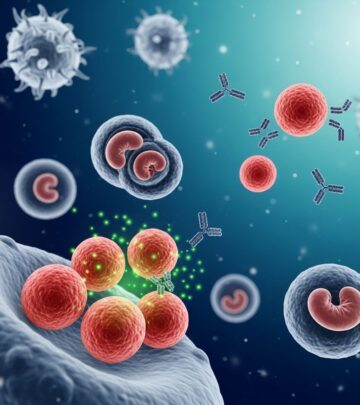
Toxic shock syndrome (TSS) is a rare but potentially life-threatening condition caused primarily by toxins produced by certain bacteria, notably Staphylococcus aureus and Streptococcus pyogenes. Early diagnosis and immediate treatment are essential due to TSS’s rapid progression and its ability to affect multiple organ systems. This article provides a detailed overview of how toxic shock syndrome is diagnosed, treated, and prevented, including what to expect during hospital care and recommendations for reducing risk.
Diagnosis of Toxic Shock Syndrome
Diagnosing toxic shock syndrome can be complex as there is no single definitive test. The process typically involves a combination of clinical assessment, laboratory tests, and sometimes imaging studies to confirm infection and gauge the extent of organ involvement.
Key Steps in Diagnosis
- Clinical evaluation: TSS is suspected based on symptoms such as high fever, low blood pressure, rash, and involvement of multiple organ systems.
- Blood and urine tests: Samples are taken to check for the presence of Staphylococcus or Streptococcus infection, organ function (especially kidney and liver), clotting problems, and electrolyte imbalances.
- Swab cultures: Swabs from the vagina, cervix, throat, or any wounds are often obtained for laboratory cultures to identify the source of bacterial toxins.
- Imaging studies: A CT scan, chest X-ray, or ultrasound may be used to assess internal organ involvement, identify pockets of infection or abscesses, or rule out other potential causes of symptoms.
- Lumbar puncture (spinal tap): In some cases, especially if confusion or neurological symptoms are present, a lumbar puncture may be performed to rule out other central nervous system infections such as meningitis.
During diagnosis, doctors consider a patient’s medical history, recent use of tampons or vaginal devices, recent surgery or skin wounds, and whether similar episodes have occurred before, as these are risk factors for TSS.
Common Laboratory and Imaging Tests
| Test | Purpose |
|---|---|
| Blood culture | Detect bacterial presence and identify the strain |
| Urinalysis | Assess kidney function; detect bacterial infection |
| Throat/vaginal/wound swabs | Identify staph or strep infection sources |
| Enzyme and clotting studies | Assess organ damage and coagulation issues |
| CT scan/X-ray | Detect involvement of organs or deep-seated infection |
| Spinal tap (lumbar puncture) | Rule out meningitis if neurological symptoms |
Treatment of Toxic Shock Syndrome
Treatment for TSS is nearly always initiated in a hospital due to the seriousness of the disease and its ability to cause rapid deterioration. The primary objectives are to eradicate the infection, support failing organs, and prevent serious complications.
Core Treatment Approaches
- Antibiotics: Intravenous (IV) antibiotics are administered immediately. Initially, a mix of broad-spectrum antibiotics is given while awaiting laboratory results to tailor therapy to the specific bacteria causing infection.
- Removal of foreign materials: Any tampon, diaphragm, contraceptive sponge, gauze, or other foreign object must be removed. In some cases, surgical removal of infected or dead tissue (debridement) is required.
- Wound management: Drainage of abscesses or wounds, and cleaning or removal of dead tissue at the infection site, may be essential to stop the production of toxins.
- Supportive therapy: Intravenous fluids correct dehydration and maintain blood pressure. Medicines (vasopressors) may be used if blood pressure remains low despite fluids. Oxygen therapy or mechanical ventilation may be needed in severe cases.
- Dialysis: If the kidneys fail due to toxin-induced injury or from shock itself, dialysis may be necessary to replace lost kidney function.
- Intravenous immunoglobulin (IVIG): In some cases, antibodies from donated blood (IVIG) are given to neutralize toxins and help fight the infection.
Hospital Phase of Treatment
Most patients remain hospitalized throughout the acute phase of illness. Continuous monitoring allows for rapid response to fluctuations in blood pressure, kidney function, and respiratory status. Intensive care may be required for patients with multiple organ failure, persistent shock, or complications such as severe bleeding or tissue death.
Role of Surgery
- **Surgical removal of dead tissue:** If large areas of skin or soft tissue are affected, surgeons may perform debridement to remove all necrotic (dead) material. This prevents further toxin production and allows healthy tissue to recover.
- **Drainage of abscess or infection:** Surgery may be needed to drain deeply seated infections not accessible by other means.
Complications of Toxic Shock Syndrome
Toxic shock syndrome is a medical emergency due to its rapid onset and potential to cause severe, multi-organ complications. Even after early and aggressive treatment, several grave risks require ongoing monitoring:
- Shock: Profound drop in blood pressure can lead to inadequate blood supply to organs (circulatory shock).
- Multi-organ failure: Toxins and systemic inflammation can disrupt the function of the kidneys, liver, heart, and lungs.
- Kidney failure: If the kidneys fail, dialysis is often required. Persistent kidney damage may occur, especially if treatment is delayed.
- Liver failure: Rare, but liver function must be monitored closely.
- Coagulation disorders: Damage may interfere with the ability of blood to clot, leading to bleeding.
- Tissue death and amputation: In severe or late-diagnosed cases, tissue death (necrosis) can be so extensive that amputation of fingers, toes, or limbs is required to save the person’s life.
- Death: Though rare, TSS can be fatal, especially if not rapidly treated.
Prevention of Toxic Shock Syndrome
While TSS is rare, certain proactive steps can reduce the risk, particularly for individuals using tampons or those susceptible after surgery or skin trauma. Prevention is especially important after a previous TSS episode, as recurrence is possible.
Best Practices for Reducing TSS Risk
- Use tampons safely:
- Change tampons every 4-8 hours
- Never use super-absorbent types unless needed
- Alternate tampons with pads when possible
- Avoid using tampons overnight
- Wash hands before and after insertion
- Proper care of wounds: Keep skin injuries, burns, and surgical incisions clean and follow your doctor’s instructions for care to prevent staph or strep infection.
- Prompt wound attention: Seek medical advice quickly if a wound becomes red, swollen, or painful.
- Change other vaginal products as directed: Diaphragms, contraceptive sponges, or menstrual cups should not be left in longer than recommended by the manufacturer.
- Follow-up after infection: People who have had toxic shock syndrome should consult their doctor before resuming the use of internal vaginal products, as their risk of recurrence is higher.
- General hygiene: Wash hands before inserting any product or performing wound care; keep all medical devices and dressings clean and changed as directed.
Additional Advice for At-Risk Groups
- If you have a weak immune system, chronic health condition, or have previously had TSS, discuss your risks with your healthcare professional before using tampons or vaginal devices.
- Educate teenagers and young adults on proper period and wound care for added safety.
What to Expect at the Doctor’s Office
If you suspect you or someone you care for may have TSS—especially if there is rapid-onset high fever, rash, or symptoms of organ involvement such as confusion, vomiting, or very low blood pressure—seek medical help immediately. Timely reporting and honest disclosure about tampon or device use, recent surgery, cuts, or wounds is critical for early diagnosis.
Questions to Ask Your Doctor about TSS
- What tests are needed to confirm toxic shock syndrome?
- How will treatment be managed in the hospital?
- What are the warning signs of complications I should look for?
- How can I reduce my risk of getting TSS again?
- Is it safe to use tampons or menstrual cups in the future?
- When can I return to work, school, or daily activities?
Questions Your Doctor May Ask You
- When did your symptoms begin?
- Have you used tampons, diaphragms, or other internal devices recently?
- Have you had recent surgery, wounds, or skin infections?
- Are you experiencing confusion or difficulty staying alert?
- Have you had TSS before or similar symptoms in the past?
Frequently Asked Questions (FAQs)
What are the earliest signs of toxic shock syndrome?
Early symptoms often include sudden high fever, vomiting, diarrhea, muscle aches, and dizziness. If you develop these while using a tampon or have a recent wound, contact your doctor or seek emergency care immediately.
Can men and children get TSS?
Yes. Though most commonly associated with menstruating women using tampons, TSS can affect anyone, including men and children, often due to skin wounds, burns, or following surgery.
How quickly does toxic shock syndrome progress?
TSS can progress rapidly, with severe symptoms such as low blood pressure and organ failure developing within hours. Immediate medical care is essential for the best outcome.
Is recurrence possible after TSS?
Yes, individuals who have had toxic shock syndrome are at higher risk for recurrence and should discuss the future use of tampons and other vaginal devices with their healthcare provider.
How long does recovery take?
Recovery varies based on severity, organ involvement, and promptness of treatment. Some people recover in days to weeks, but more severe cases—especially with complications—can take longer and may require ongoing care for organ damage or rehabilitation.
Takeaway Tips to Prevent Toxic Shock Syndrome
- Change tampons and other inserted products every 4–8 hours and avoid overnight use.
- Use the lowest absorbency tampons necessary and alternate with pads.
- Keep all wounds clean and seek prompt care if signs of infection develop.
- Discuss all risk factors—including previous TSS or chronic illnesses—with your doctor.
Toxic shock syndrome requires a high level of clinical suspicion and immediate hospital-based intervention to secure the best prognosis. Consistent hygiene, proper product usage, and swift medical attention for any concerning symptoms significantly reduce your risk of serious complications from TSS.
References
- https://www.mayoclinic.org/diseases-conditions/toxic-shock-syndrome/diagnosis-treatment/drc-20355390
- https://www.mayoclinic.org/diseases-conditions/toxic-shock-syndrome/symptoms-causes/syc-20355384
- https://my.clevelandclinic.org/health/diseases/15437-toxic-shock-syndrome
- https://www.amerikanhastanesi.org/mayo-clinic-care-network/mayo-clinic-health-information-library/definitions/toxic-shock-syndrome
- https://www.hhs.nd.gov/toxic-shock-syndrome-factsheet
- https://www.mayoclinic.org/diseases-conditions/staph-infections/diagnosis-treatment/drc-20356227
- https://www.kuh.ku.edu.tr/mayo-clinic-care-network/mayo-clinic-health-information-library/diseases-conditions/toxic-shock-syndrome
- https://www.webmd.com/women/guide/understanding-toxic-shock-syndrome-basics
- https://www.mayoclinic.org/diseases-conditions/sepsis/diagnosis-treatment/drc-20351219
Similar Articles





Read full bio of medha deb


