
Understanding the Tipped (Tilted) Uterus: Anatomy, Impact, and Fertility
An in-depth guide to the causes, symptoms, fertility concerns, and management of a tipped uterus—a common anatomical variation in women.
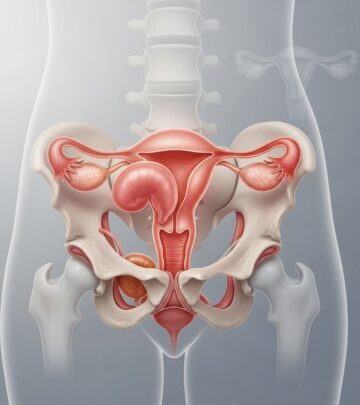
Tipped (Tilted) Uterus: Anatomy, Causes, and Effects
The tipped uterus, also known as a tilted uterus, retroverted uterus, or retroflexed uterus, refers to a uterus that tips backward at the cervix instead of forward. This anatomical variation is considered normal for many women and generally does not cause health or fertility concerns for most.
- Anatomical variation: About one in four women has a uterus that tilts backward at the cervix instead of the more common forward tilt.
- Terminology: Tipped, tilted, retroverted, and retroflexed uterus all describe a uterus that curves backward toward the spine.
- Normal or abnormal? Most often, this is just a natural variation, not a disorder or disease.
How Is the Uterus Positioned?
The uterus is a pear-shaped organ in the female pelvis. The cervix forms the lower portion and attaches to the vagina; the upper part (fundus) points either slightly forward or backward depending on the individual’s anatomy.
| Uterus Position | Description |
|---|---|
| Anteverted | Tilts forward toward the abdomen; most common position |
| Retroverted (Tipped/Tilted) | Tilts backward toward the spine; about 25% of women |
Causes of a Tipped (Tilted) Uterus
There are several reasons the uterus may be tipped:
- Congenital (born with it): Many women have a naturally tilted uterus from birth.
- Pregnancy: Pregnancy can stretch the ligaments supporting the uterus, allowing it to shift position.
- Scar tissue (adhesions): Conditions like endometriosis, pelvic inflammatory disease, previous surgery, or infection may trigger scar formation that pulls the uterus backward.
- Fibroids: Growths inside or outside the uterus may alter its orientation.
Key Conditions Leading to Uterine Scarring
- Endometriosis: Abnormal tissue growth may cause scarring and adhesions, changing the uterus’s position.
- Pelvic inflammatory disease: Infection can lead to scarring in pelvic organs, including the uterus and fallopian tubes.
- Surgery: Prior pelvic surgery sometimes causes adhesions that reposition the uterus.
Symptoms of a Tipped (Tilted) Uterus
In most cases, a tipped uterus causes no symptoms. However, some women experience:
- Painful menstruation (dysmenorrhea)
- Pain during sexual intercourse (dyspareunia)
- Difficulty inserting tampons
- Urinary incontinence or increased frequency
- Back pain
Most women with a tipped uterus are asymptomatic. When symptoms do occur, they are usually mild and attributed to the anatomical change in uterine position.
What Symptoms Suggest Additional Investigation?
- Severe pelvic pain
- Infertility or difficulty conceiving
- Chronic menstrual issues
- Recurrent urinary complaints
- Unexplained back pain
Diagnosis: How Is a Tipped Uterus Identified?
The diagnosis of a tipped uterus is straightforward and can be done with the following methods:
- Pelvic exam: During a routine pelvic examination, the doctor inserts two fingers into the vagina and gently presses on the abdomen to assess uterine position.
- Ultrasound: Imaging tests can visually confirm the tilt of the uterus.
- MRI scans: Occasionally used for detailed imaging.
Most often, the anatomical variation is discovered during exams for unrelated reasons or routine gynecological evaluations.
Impact on Fertility: Does a Tipped Uterus Cause Infertility?
Historically, there was concern that a tipped uterus could make it harder for sperm to reach the egg and thus cause infertility. However, extensive research has shown:
- No direct impact on fertility: The position of the uterus alone does not impair conception or pregnancy.
- Associated conditions: Conditions such as endometriosis, fibroids, and pelvic disease may cause scarring or adhesions that not only tilt the uterus but also decrease fertility. In these cases, infertility is not due to the tilt itself, but to the underlying disease.
If you are experiencing infertility and have a tipped uterus, it is more likely that another factor—such as scarring, adhesions, or blocked fallopian tubes—is responsible.
Associated Risks and Reproductive Health Considerations
- Sharp tilting due to adhesions: In rare cases, severe adhesions may make it challenging for sperm to reach the egg. Conception is still possible but may warrant fertility specialist consultation.
- Uterine incarceration in pregnancy: Scar tissue can very rarely trap the uterus during pregnancy, requiring intervention.
- Endometriosis, pelvic inflammatory disease, fibroids: These conditions impact fertility independently of uterine tilt.
Other Effects on Health and Pregnancy
Pregnancy: The position of the uterus typically changes during pregnancy. By the second trimester, the growing uterus shifts to a more forward (anteverted) angle, alleviating any symptoms or concerns about tilt.
- No effect on miscarriage risk: The existence of a tilted uterus does not raise miscarriage risk.
- No impact on labor and delivery: Tilted uterus is not associated with birthing complications.
- Temporary position change: After childbirth, the uterus may return to its previous tilted position.
Most women deliver healthy babies without tilt-related complications. If symptoms develop during pregnancy, medical management is available.
Treatment Options for Tipped Uterus
Treatment is usually unnecessary unless the tilt of the uterus is causing discomfort or is associated with underlying conditions.
- No treatment required for asymptomatic cases
- Symptomatic relief: For those experiencing pain or sexual discomfort:
- Pelvic exercises may help reposition the uterus
- Pessary devices: Temporary support devices inserted into the vagina
- Surgery: Reserved for extreme cases involving adhesions or scar tissue
- Treatment of underlying conditions: Addressing endometriosis, pelvic inflammatory disease, or fibroids can improve overall reproductive health
If symptoms persist or reproductive challenges arise, consultation with a gynecologist or fertility specialist is recommended.
Frequently Asked Questions (FAQs)
Q: What is the difference between an anteverted and retroverted uterus?
A: An anteverted uterus tilts forward toward the abdomen, while a retroverted (tipped) uterus tilts backward toward the spine.
Q: Is it possible to get pregnant with a tipped uterus?
A: Yes, most women with a tipped uterus can conceive and have normal pregnancies; underlying conditions, not uterine tilt, are the main fertility concern.
Q: Does a tilted uterus require treatment?
A: No treatment is necessary unless symptoms affect quality of life or are related to other gynecological disorders.
Q: What causes a uterus to become tilted?
A: This variation can be congenital, result from pregnancy-related ligament stretching, or arise due to scarring from conditions like endometriosis or previous pelvic surgeries.
Q: Does a tilted uterus increase the risk of miscarriage or labor problems?
A: No, there is no evidence linking uterine tilt to higher miscarriage rates or labor complications.
SEO Optimized Summary Table
| Aspect | Key Points |
|---|---|
| Definition | Uterus tips backward at cervix |
| Prevalence | ~25% of women |
| Main Causes | Congenital, scarring, pregnancy, fibroids |
| Symptoms | Painful periods, dyspareunia; but mostly asymptomatic |
| Diagnosis | Pelvic exam, ultrasound, MRI |
| Impact on Fertility | Typically none; underlying conditions may affect |
| Treatment | None unless symptomatic; treat underlying problems |
When to Speak to a Doctor
- Persistent pelvic pain
- Unexplained fertility issues
- Urinary or sexual discomfort
- Concern about menstruation or reproductive function
Doctors perform a thorough assessment to identify whether symptoms stem from uterine tilt or an unrelated gynecological condition. Appropriate guidance, treatment, or reassurance is then provided.
Key Takeaways
- The tipped (tilted) uterus is a common anatomical variation, not typically a cause for concern.
- Most women have no symptoms and require no treatment.
- Fertility is unaffected unless scarring, adhesions, or other underlying conditions are present.
- Occasional symptoms can be managed; consult your physician if problems persist.
References
- Mayo Clinic
- Cleveland Clinic
- Healthline
- Mosaic Life Care
References
- https://www.mymlc.com/health-information/faqs/t/tilted-uterus-can-it-lead-to-infertility/
- https://www.healthline.com/health/tilted-cervix
- https://my.clevelandclinic.org/health/diseases/23426-retroverted-uterus
- https://newsnetwork.mayoclinic.org/discussion/womens-wellness-infertility-causes-tests-and-treatments/
- https://www.mayoclinic.org/diseases-conditions/female-infertility/multimedia/tipped-uterus/img-20008147
- https://www.mayoclinic.org/diseases-conditions/female-infertility/symptoms-causes/syc-20354308
- https://www.mayoclinic.org/diseases-conditions/female-infertility/diagnosis-treatment/drc-20354313
- https://www.mayoclinic.org/diseases-conditions/infertility/symptoms-causes/syc-20354317
- https://www.mayoclinic.org/diseases-conditions/female-infertility/doctors-departments/ddc-20354315
- https://www.mayoclinic.org/diseases-conditions/infertility/diagnosis-treatment/drc-20354322
Similar Articles





Read full bio of medha deb


