
Squamous Cell Carcinoma of the Skin: Symptoms, Causes & Risks
In-depth guide to squamous cell carcinoma of the skin, covering symptoms, causes, risk factors, and when to seek medical care.

Squamous Cell Carcinoma of the Skin
Squamous cell carcinoma (SCC) is a common form of skin cancer that can arise on any part of the body. It frequently develops on areas exposed to the sun, such as the scalp, hands, ears, and lips, though it is capable of occurring anywhere—including places that rarely see sunlight, such as the mouth, feet, or genitals. Understanding the symptoms, underlying causes, and risk factors associated with SCC is critical for early detection and optimal medical management.
Symptoms of Squamous Cell Carcinoma
SCC of the skin manifests in a variety of ways, often appearing as distinct changes in the skin’s appearance. Knowing these signs can significantly aid in recognizing potentially cancerous growths early.
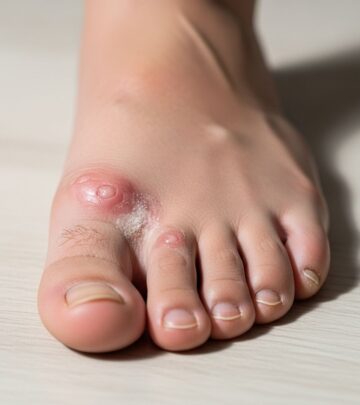
- Firm bump (nodule): Typically, SCC begins as a firm nodule on the skin. The color can range from skin-colored to pink, red, black, or brown, with variations according to an individual’s skin tone.
- Flat sore with scaly crust: A persistent flat sore topped with a scaly crust is common.
- New sore/raised area on old scar: SCC may appear as a new area of elevation or an open sore atop a longstanding scar or chronic wound.
- Rough, scaly patch on the lip: This can progress to an open sore.
- Sore or rough patch inside the mouth: Especially relevant if lasting or recurring.
- Raised patch/wartlike sore on anus/genitals: Unusual patches or wart-like sores in these locations can sometimes indicate SCC.
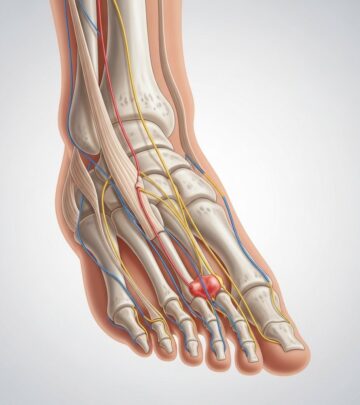
It is important to note that SCC can occur in places less exposed to sunlight, particularly in individuals with Black and brown skin. In these cases, lesions are often found in non-sun-exposed areas such as the legs, under fingernails, toes, or, less frequently, in the mouth and genital regions.
Common Locations for SCC
| Typical Locations | Less Typical Locations |
|---|---|
| Scalp | Mouth |
| Backs of the hands | Bottoms of the feet |
| Ears | Genitals |
| Lips | Under fingernails/toenails |
When to See a Doctor
It is advised to make an appointment with a healthcare professional if:
- You have a sore or scab that doesn’t heal after approximately two months.
- You notice a flat patch of scaly skin that persists and does not go away.
- Any new or suspicious growth on your skin develops or changes in appearance.
- There is a sore, lesion, or rough patch inside the mouth, on the lip, or elsewhere that recurs or persists.
Early detection is crucial for successful treatment, so do not hesitate to seek medical advice for any skin changes that concern you.
Causes of Squamous Cell Carcinoma
The main cause of squamous cell carcinoma in the skin is DNA damage that affects squamous cells—flattened cells that compose the skin’s surface. This genetic damage leads the cells to divide more rapidly and survive longer than they should, resulting in uncontrolled cell proliferation and potential invasion of healthy tissue.
- Ultraviolet (UV) radiation: The primary culprit of DNA damage in skin cells is exposure to ultraviolet radiation from sunlight or artificial sources such as tanning lamps and beds. UV radiation can induce critical changes in the genetic material of skin cells.
- Other contributing factors: SCC can develop even on skin that is rarely exposed to the sun, indicating that additional factors may play a role. For instance, conditions that weaken the immune system can increase vulnerability to cancerous growths. Chronic inflammation and certain genetic conditions also increase risk.
How DNA Changes Lead to SCC
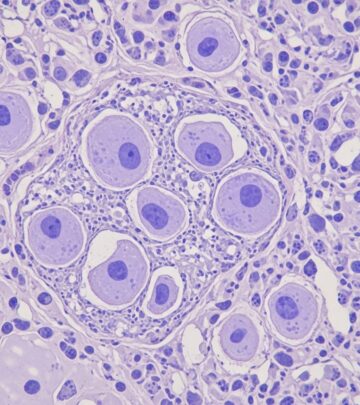
Squamous cell carcinoma occurs when changes (mutations) in the DNA of squamous cells drive abnormal growth. Normally, genes regulate when a cell should grow or die. In SCC, mutations tell cells to multiply rapidly and avoid the normal cell death cycle. Over time, this results in the formation of tumors that can invade healthy tissue and, in advanced cases, spread to other parts of the body.
The most common mutation occurs in genes like p53, which normally help control cell growth and prevent tumors. UV radiation is a key cause of these mutations.
Risk Factors for Squamous Cell Carcinoma
Several factors elevate the risk of developing SCC. Understanding them can help in personal risk assessment and guide preventive measures.
- Sun-sensitive skin: Individuals with fair skin that sunburns easily are at higher risk, but SCC affects people of all skin types. People with lower melanin levels (the pigment that provides skin with its color and offers some protection against UV damage) have an increased susceptibility.
- Chronic sun exposure: Spending significant time outdoors without adequate protection, or recurrent sunburn episodes, raise the chances of SCC.
- Use of tanning beds: Artificial UV radiation from tanning beds and lamps significantly increases skin cancer risk.
- History of skin injury or inflammation: SCC can occur on old scars, burns, or areas of chronic skin inflammation, such as persistent sores or ulcers.
- Weakened immune system: Conditions or medications that suppress the immune system decrease the body’s ability to repair or eliminate abnormal cells.
- Personal or family history of skin cancer: Having had SCC or another form of skin cancer, or a family history of such diseases, increases risk.
- Male gender and age: Men are roughly twice as likely to develop SCC, and risk increases with age, although incidence is rising in younger populations.
- Exposure to certain chemicals/radiation: Contact with cancer-causing chemicals (carcinogens) and previous radiation therapy can also be risk factors.
Squamous Cell Carcinoma in Different Skin Types
While SCC commonly develops on sun-exposed areas in lighter-skinned individuals, in people with Black and brown skin it often emerges in locations that aren’t typically exposed to the sun. The clinical presentation can vary based on skin pigmentation, making awareness and timely healthcare even more important for these populations.
Comparison Table: SCC Occurrence by Skin Type
| Skin Type | Common SCC Locations | Typical Lesion Appearance |
|---|---|---|
| Fair/Light Skin | Sun-exposed areas: scalp, face, ears, hands, forearms | Pale pink or red nodules, scaly patches, open sores |
| Black/Brown Skin | Non-sun-exposed areas: legs, soles of feet, under nails, genitals | Darker nodules, brown, black, or wartlike sores, flat patches |
Complications
If left untreated, squamous cell carcinoma may grow deep into surrounding tissues, potentially causing significant destruction. In rare cases, SCC can metastasize, meaning cancer cells break away from the original tumor and travel to other organs or lymph nodes. Deep local invasion and spread require urgent medical attention.
Prevention of Squamous Cell Carcinoma
While not all cases of SCC can be avoided, preventive steps can substantially reduce risk:
- Avoid direct sunlight during peak hours: Reduce exposure between 10 a.m. and 4 p.m.
- Wear protective clothing: Use wide-brimmed hats, long sleeves, and sunglasses.
- Use broad-spectrum sunscreen: Apply SPF 30+ to all exposed skin; reapply every two hours and after swimming or sweating.
- Stay away from tanning beds: Artificial UV exposure is a major risk factor.
- Regular skin self-exams: Check your skin for new growths, sores that don’t heal, or changes to existing moles.
Frequently Asked Questions (FAQs)
What does squamous cell carcinoma look like?
SCC often appears as a firm bump or nodule, a flat sore with a scaly crust, a new sore over an old scar, or a rough, scaly patch—especially on the lips or inside the mouth. The color may range widely depending on skin type.
Where can squamous cell carcinoma occur?
It commonly develops on sun-exposed areas such as the scalp, ears, lips, and the backs of the hands but can also arise in less typical locations like the mouth, genital region, and the bottoms of the feet, especially in people with darker skin.
What causes squamous cell carcinoma?
Most cases are triggered by DNA damage due to ultraviolet (UV) radiation from sunlight or tanning beds, though factors like weakened immunity and chronic wounds are also involved.
Who is at risk for squamous cell carcinoma?
Anyone can develop SCC, but those with fair skin, a history of sunburns, frequent sun exposure, immunosuppression, chronic skin injury, or previous skin cancer diagnoses are at higher risk.
Are there preventive measures for SCC?
Preventive strategies include limiting sun exposure, using sunscreen, wearing protective clothing, avoiding tanning beds, and performing regular skin checks to catch changes early.
Conclusion
Squamous cell carcinoma of the skin is a prevalent cancer that can develop subtly or aggressively—often masquerading as harmless skin changes. Inspection of both sun-exposed and non-exposed body sites, especially in populations with darker skin tones, is essential. Recognizing warning signs, understanding risk factors, and implementing preventive strategies are all integral to reducing incidence, ensuring early diagnosis, and improving treatment outcomes.
Regular dermatologic evaluations and prompt attention to any suspicious or persistent skin changes will always remain the bedrock of skin cancer prevention and management.
References
- https://www.mayoclinic.org/diseases-conditions/squamous-cell-carcinoma/symptoms-causes/syc-20352480
- https://www.kuh.ku.edu.tr/mayo-clinic-care-network/mayo-clinic-health-information-library/diseases-conditions/squamous-cell-carcinoma-of-the-skin
- https://www.mayoclinic.org/diseases-conditions/basal-cell-carcinoma/symptoms-causes/syc-20354187
- https://my.clevelandclinic.org/health/diseases/17480-squamous-cell-carcinoma
- https://www.mayoclinic.org/diseases-conditions/head-and-neck-cancers/symptoms-causes/syc-20354171
- https://www.mayoclinic.org/diseases-conditions/skin-cancer/symptoms-causes/syc-20377605
- https://www.mayoclinic.org/diseases-conditions/squamous-cell-carcinoma/diagnosis-treatment/drc-20352486
- https://www.mayoclinic.org/diseases-conditions/mouth-cancer/symptoms-causes/syc-20350997
- https://www.amerikanhastanesi.org/mayo-clinic-care-network/mayo-clinic-health-information-library/diseases-conditions/squamous-cell-carcinoma-of-the-skin
- https://www.youtube.com/watch?v=Y-FPQiYXTmM
Similar Articles





Read full bio of Sneha Tete


