
Sperm Morphology: Understanding Its Role in Male Fertility
Explore the significance of sperm morphology, how it's evaluated, and its implications for male fertility and reproductive health.
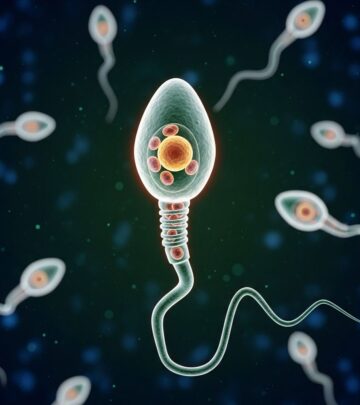
Sperm Morphology: What Does It Mean?
Sperm morphology refers to the size and shape of sperm. It is one of several key parameters analyzed during a semen test to evaluate a man’s potential ability to father children, otherwise known as male fertility.
Understanding Sperm Morphology
During a semen analysis, laboratory technicians use a microscope to examine the sperm and determine what percentage meet strict guidelines for normal appearance. Typically, normal sperm feature a smooth, oval head and a long, straight tail. However, many sperm in a given sample may show abnormalities, such as poorly shaped heads or defective tails, including:
- Enlarged, misshapen, or double heads
- Crooked or double tails
- Tails that are too short or too long
These distortions may affect a sperm’s ability to reach and fertilize an egg.
Prevalence of Abnormal Sperm Morphology
Having a high percentage of sperm with atypical shape is common. In most valid semen analyses, only about 4% to 10% of sperm meet the standard for “normal.” This means the majority of sperm do not appear perfect under the microscope.
How Is Sperm Morphology Assessed?
The laboratory follows strict criteria to assess sperm shape in a semen sample. The report usually expresses results as the percentage of normal sperm observed:
| Parameter | Normal Value |
|---|---|
| Normal sperm morphology (strict criteria) | ≥ 4% |
| Germinal cells per mL | < 4 x 10⁶ |
| White blood cells per mL | < 1 x 10⁶ |
A value below 4% for normal forms is often considered outside the reference interval, but interpretation must consider other semen parameters and the individual’s fertility history.
Factors Included in a Semen Analysis
Sperm morphology is only one aspect reviewed. A comprehensive semen analysis usually assesses:
- Semen volume: The total amount of ejaculate.
- Total sperm count: The total number of sperm in the sample.
- Sperm concentration: The number of sperm per milliliter of semen.
- Motility: The percentage of sperm that move and how well they move.
- Additional features: Presence of germ cells or white blood cells.
These factors together provide a holistic picture of male reproductive capacity, and abnormalities in any one area may prompt further evaluation or testing.
Abnormal Sperm Morphology: What Does It Mean?
The presence of a large number of abnormal sperm, known as teratospermia, might suggest problems with sperm development, which can affect the ability of sperm to reach and fertilize an egg. However, most fertility experts agree that the predictive value of sperm morphology alone for natural conception is limited:
- Sperm morphology is poorly understood and may be scored subjectively; results can differ for the same sample analyzed by different technicians or laboratories.
- Unless nearly 100% of sperm are abnormal, morphology alone is typically a poor predictor of infertility.
Causes of Abnormal Sperm Morphology
- Genetic factors
- Environmental exposures (e.g., heat, toxins)
- Lifestyle influences (e.g., smoking, drug use, poor diet)
- Medical conditions (e.g., infections, hormonal disorders)
- Unknown causes in many cases
Importantly, standard sperm tests do not typically determine the underlying cause of abnormal morphology.
Sperm Morphology and Fertility: Practical Implications
Many men with abnormal sperm morphology can still father children naturally. Some key points:
- An abnormal sperm morphology result does not mean a man is infertile.
- Many men with low percentages of normal sperm can still achieve pregnancy with their partner, though it might take longer.
- Assisted reproductive technologies (ART), such as in vitro fertilization (IVF) or intracytoplasmic sperm injection (ICSI), may help couples struggling to conceive due to significant sperm abnormalities.
When to Consider Further Evaluation or Assistance
- If a couple has failed to conceive after a year of unprotected intercourse
- If additional semen parameters are abnormal (motility, count, etc.)
- If either partner has known risk factors for infertility (medical conditions, advanced age, prior surgery, etc.)
Male Infertility: Overview and Other Contributing Factors
Nearly 1 in 7 couples may experience infertility, with male factors contributing in up to half of such cases. Male infertility can arise from:
- Low sperm production
- Abnormal sperm function (motility or morphology)
- Blockages that prevent sperm delivery
- Chronic diseases, hormonal imbalances, or lifestyle influences
Infertility can be emotionally challenging but is often treatable. An abnormal semen analysis should always be interpreted in the context of a couple’s full medical history, and sometimes a second analysis is recommended due to natural fluctuations in semen quality.
Steps for Healthy Sperm and Improved Fertility
Though not always reversible, some causes of abnormal sperm morphology and male infertility can be addressed by:
- Maintaining a healthy diet and body weight
- Avoiding tobacco, recreational drugs, and excessive alcohol
- Managing stress and chronic health conditions
- Staying cool and avoiding environmental heat exposure (such as hot tubs)
- Minimizing exposure to environmental toxins
Medical evaluation is essential for identifying treatable or underlying conditions — your healthcare professional can discuss tailored strategies for you and your partner.
Table: Key Factors in a Comprehensive Semen Analysis
| Parameter | Definition | Typical Value |
|---|---|---|
| Semen Volume | Amount of fluid ejaculated | 1.5 – 5.0 mL |
| Total Sperm Count | Total number of sperm in sample | >39 million/ejaculate |
| Sperm Concentration | Number of sperm/mL | >15 million/mL |
| Motility | Percentage of moving sperm | >40% |
| Morphology | Percentage of sperm with normal shape | ≥4% (strict criteria) |
Frequently Asked Questions (FAQs)
Q: Does abnormal sperm morphology always mean infertility?
A: No. Even with a high percentage of abnormal sperm, many men can father children naturally. Morphology is only one of several factors that influence male fertility.
Q: What are the main causes of abnormal sperm morphology?
A: Causes can include genetic factors, environmental exposures, lifestyle choices, and certain medical conditions. Often, no clear cause is found.
Q: Can a healthy lifestyle improve sperm morphology?
A: Adopting healthier habits—such as exercising regularly, avoiding toxins and heat exposure, and eating a balanced diet—can help optimize sperm health for some men.
Q: If my sperm morphology is abnormal, what should I do next?
A: Consult your healthcare provider. They may recommend further testing, repeat semen analysis, or assessment of other fertility factors. In many cases, all semen parameters and your clinical situation are considered together.
Q: Are there treatments if sperm morphology is low?
A: Yes. Your doctor may suggest lifestyle changes, medications, or ART approaches like IVF or ICSI, especially if conception remains elusive after prolonged attempts.
Summary
Sperm morphology—the percentage of sperm with a normal size and shape—is an important but imperfect marker of male fertility. While a low percentage of normally shaped sperm may raise concerns, it rarely rules out the possibility of fathering a child naturally. If you and your partner face fertility challenges, thorough evaluation and guidance from your healthcare team can uncover the best path forward to building your family.
References
- https://www.amerikanhastanesi.org/mayo-clinic-care-network/mayo-clinic-health-information-library/faqs/abnormal-sperm-morphology-what-does-it-mean
- https://www.kuh.ku.edu.tr/mayo-clinic-care-network/mayo-clinic-health-information-library/faqs/abnormal-sperm-morphology-what-does-it-mean
- https://www.mayoclinic.org/diseases-conditions/male-infertility/expert-answers/sperm-morphology/faq-20057760
- https://www.mayocliniclabs.com/test-catalog/overview/80749
- https://www.mayoclinic.org/diseases-conditions/male-infertility/symptoms-causes/syc-20374773
- https://www.mayocliniclabs.com/test-catalog/overview/35184
- https://www.mayoclinic.org/healthy-lifestyle/getting-pregnant/in-depth/fertility/art-20047584
- https://www.mayoclinic.org/diseases-conditions/male-infertility/diagnosis-treatment/drc-20374780
- https://www.mayoclinic.org/diseases-conditions/male-infertility/care-at-mayo-clinic/mac-20374786
- https://www.mayoclinic.org/diseases-conditions/low-sperm-count/expert-answers/home-sperm-test/faq-20057836
Similar Articles


Read full bio of Sneha Tete


