
Seizures: Diagnosis and Treatment Options Explained
Comprehensive guide to seizure diagnosis, advanced imaging, and treatment strategies, including medical management, surgery, and innovative therapies.
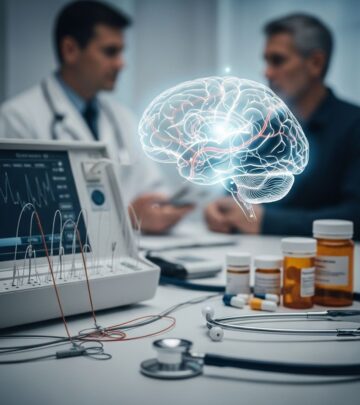
Seizures: Diagnosis and Treatment
Seizures are sudden, uncontrolled electrical disturbances in the brain that can cause changes in behavior, movements, feelings, or levels of consciousness. Proper diagnosis and treatment are essential to manage seizures, minimize recurrence, and improve quality of life. This comprehensive guide details the current approaches to diagnosing seizures, the most effective treatment methods—including medications, surgery, and advanced therapies—and provides answers to common questions about seizure care.
Diagnosis of Seizures
Diagnosing seizures involves a series of steps to identify the underlying cause, determine the risk of recurrence, and rule out conditions that mimic seizures. A thorough clinical evaluation is typically the starting point, followed by specialized tests and imaging.
Initial Clinical Evaluation
- Medical history review: Includes details about the seizure event(s), prior neurological issues, family history, and any potential triggers or risk factors.
- Physical and neurological exam: Assesses cognitive function, motor skills, reflexes, behavior, and other aspects of nervous system health.
Diagnostic Tests
- Blood tests: Used to check blood sugar, screen for infections, genetic conditions, electrolyte imbalances, and metabolic abnormalities.
- Spinal tap (lumbar puncture): Analyzes cerebrospinal fluid for signs of infection or inflammation if such causes are suspected.
- Electroencephalogram (EEG): Measures the brain’s electrical activity using scalp electrodes. Abnormal patterns can indicate a predisposition to further seizures or help differentiate epilepsy from other disorders. EEGs can be performed in clinic, at home, or during extended hospital stays with video monitoring.
- Computerized tomography (CT scan): Provides cross-sectional images to detect brain tumors, bleeding, or cysts that may provoke seizures.
- Magnetic resonance imaging (MRI): Delivers highly detailed images of brain structure, aiding the identification of abnormalities such as lesions or growths linked to seizures.
Advanced and Specialized Brain Imaging and Tests
- Statistical parametric mapping (SPM): Compares areas of increased brain blood flow during seizures to healthy controls, localizing seizure focal points.
- Electrical source imaging (ESI): Projects EEG signals onto MRI brain images, enhancing anatomical precision beyond standard EEG results.
- Magnetoencephalography (MEG): Measures brain magnetic fields to localize seizure origins, with less interference than traditional EEG due to minimal skull and tissue distortion.
- Subtraction ictal SPECT coregistered to MRI (SISCOM): Integrates SPECT scan data—reflecting blood flow during a seizure—with MRI images to precisely pinpoint active seizure onset regions.
- Positron emission tomography (PET): Highlights brain metabolism changes associated with seizure activity.
- Neuropsychological evaluations: Assessments of memory, speech, and cognitive function to identify affected brain regions and gauge potential impact on everyday activities.
Pinpointing Seizure Focus
Accurately localizing where in the brain seizures begin is critical, especially when considering surgical interventions or targeted therapies. Combining imaging techniques with comprehensive clinical data provides the most definitive insight. The table below summarizes these tools:
| Technique | Main Use | Advantages |
|---|---|---|
| EEG | Detect abnormal electrical patterns | Noninvasive, standard screening |
| MEG | Measure magnetic brain signals | High localization accuracy |
| SPM | Compare blood flow to controls | Localizes blood flow changes |
| SISCOM | Overlay seizure SPECT with MRI | Precise seizure localization |
| PET | Monitor metabolism | Identifies hypometabolic zones |
| MRI/CT | Show anatomical detail | Detects structural lesions |
Treatment for Seizures
Treatment goals include eliminating seizures, minimizing side effects, and improving functional outcomes. Options depend on seizure type, frequency, cause, and the individual’s overall health. Many people achieve good seizure control with medications, but others may require advanced interventions.
Medications (Anti-Seizure Drugs / Antiepileptics)
- Initial treatment for most individuals with seizures is the use of anti-seizure medications to reduce the frequency and severity of attacks.
- A wide variety of medications are available. The specific choice depends on seizure type, coexisting medical conditions, age, interactions with other drugs, and patient preferences.
- Some anti-seizure medicines are delivered in standard oral forms, while others, such as intranasal seizure-rescue preparations, are designed for rapid intervention during acute events.
- Medication adjustments may be required to optimize efficacy and minimize side effects.
Surgery
- Epilepsy surgery may be recommended when seizures are localized to a specific brain area and are not controlled by medication.
- Procedures can include removal of the seizure focus, disconnection of pathways, or other targeted surgical techniques. In some cases, awake brain surgery is performed to protect critical brain functions such as speech or movement.
- Pre-surgical mapping and monitoring are crucial for preserving function and maximizing the likelihood of seizure control.
Neurostimulation Therapies
- Deep brain stimulation (DBS): Electrodes are implanted in precise brain regions to modulate abnormal electrical activity. DBS has proven effective in reducing seizures, especially for difficult-to-treat epilepsy.
- Responsive neurostimulation: Devices monitor brain activity and issue targeted stimulation when seizure activity is detected.
- Vagus nerve stimulation (VNS): A device implanted in the chest delivers regular or on-demand electrical pulses to the left vagus nerve in the neck, helping control seizure frequency and intensity.
- Cortical stimulation: Involves placing electrodes directly on or within the brain to target and control specific seizure regions, sometimes used when seizures occur near critical brain areas.
Dietary and Hormonal Treatments
- Ketogenic diet: A high-fat, low-carbohydrate regimen sometimes recommended for children or adults with medication-resistant seizures. The diet causes metabolic changes believed to control seizure activity.
- Hormone therapy: Occasionally used for seizures linked to cyclical hormonal fluctuations, typically in women.
Other and Emerging Therapies
- Laser interstitial thermal therapy (LITT): A minimally invasive procedure using heat to destroy small seizure-producing brain areas.
- Clinical trials: Innovative treatments—ranging from new medications to novel devices—are continually under investigation for people whose seizures are not controlled by standard therapy.
- Comprehensive centers, such as Level 4 epilepsy centers, offer access to the latest diagnostic techniques and advanced multi-modal treatments.
Comprehensive Care Approach
Managing seizures often requires a multidisciplinary team including neurologists, neurosurgeons, radiologists, neuropsychologists, and mental health professionals. Coordinated care ensures that complex diagnostic and therapeutic decisions are made collaboratively for the best outcomes.
Mayo Clinic’s Specialized Care for Seizures
Mayo Clinic provides specialized, coordinated care for seizures, offering expertise and technology under one roof. Key features include:
- Integrated care teams: Experts in neurology, neurosurgery, neuropsychology, and imaging collaborate to create individualized treatment plans.
- Rapid diagnostics: Advanced imaging, video EEG monitoring, and lab tests accelerate diagnosis, often reducing a process that can take months elsewhere into just days.
- Research and innovation: The clinic leads in research on new medical therapies, devices, and surgical techniques for epilepsy and seizures, and offers eligible patients access to clinical trials.
- Epilepsy monitoring unit: Inpatient facilities provide extended video-EEG monitoring to capture events and inform treatment adjustments.
- Advanced technology: Access to SISCOM, 7-tesla MRI, and other sophisticated diagnostic tools, as well as pioneering work in neuromodulation and deep brain stimulation.
Living with Seizures: Managing Challenges
People with seizures often face challenges beyond medical management. Mayo Clinic’s approach addresses:
- Education and support: Offering guidance on lifestyle adjustments, seizure safety, medication adherence, and navigating social and professional life.
- Comorbid conditions: Comprehensive plans address cognitive, behavioral, and emotional issues—including depression, anxiety, and learning difficulties—commonly associated with epilepsy and seizures.
- Personalized plans: Treatments are tailored to age, seizure type, other health conditions, and individual life goals.
Frequently Asked Questions (FAQs)
What is the most common test to diagnose seizures?
The electroencephalogram (EEG) is the standard diagnostic test for detecting abnormal electrical activity associated with seizures. Advanced imaging like MRI, CT, and specialized techniques are used to further localize and identify seizure origins.
Can all seizures be treated successfully?
While many people achieve seizure control with medication or combination therapy, approximately one-third have seizures that are difficult to control and may require more advanced interventions such as surgery, neurostimulation, or participation in clinical trials.
Is surgery always necessary if medications do not work?
No. Surgery is one of several options for people who do not respond to medications. Alternatives include vagus nerve stimulation, deep brain stimulation, dietary therapies, and investigational devices or treatments. Surgical options are only considered when strong evidence points to a specific seizure focus that can be safely addressed.
What is the role of a comprehensive epilepsy center?
Comprehensive centers provide access to advanced diagnostic resources, multidisciplinary teams, and a broad range of surgical and non-surgical treatment options for people with complicated or refractory seizures.
What lifestyle changes can help manage seizures?
Key adjustments include adhering strictly to medications, managing sleep and stress, avoiding seizure triggers (such as certain lights, sounds, or substances), and working closely with care providers for ongoing support.
When should I seek emergency attention for a seizure?
- If a seizure lasts more than five minutes or if a person has repeated seizures without regaining consciousness between them.
- When someone experiences their first seizure or has breathing or injury issues during a seizure.
Summary Table: Diagnostic and Treatment Options
| Diagnostic Tools | Treatment Options |
|---|---|
| Neurological exam | Anti-seizure medications |
| Blood tests | Surgery (focus removal, resection, or disconnection) |
| EEG and video-EEG | Neurostimulation (VNS, DBS, cortical stimulation) |
| MRI / CT imaging | Dietary therapy (ketogenic diet) |
| SPECT / SISCOM / PET | Hormone therapy for select cases |
| Neuropsychological assessment | Participation in clinical trials for emerging therapies |
Resources and Support
- Consult with a neurologist or epilepsy specialist for evaluation.
- Seek support groups and counseling for ongoing education and emotional support.
- Research reputable organizations for the latest information on seizure disorders and advances in care.
References
- https://www.mayoclinic.org/diseases-conditions/seizure/diagnosis-treatment/drc-20365730
- https://www.mayoclinic.org/diseases-conditions/epilepsy/diagnosis-treatment/drc-20350098
- https://www.mayoclinic.org/diseases-conditions/grand-mal-seizure/diagnosis-treatment/drc-20364165
- https://www.mayoclinic.org/diseases-conditions/seizure/care-at-mayo-clinic/mac-20365786
- https://www.mayoclinic.org/diseases-conditions/seizure/symptoms-causes/syc-20365711
- https://www.mayoclinic.org/departments-centers/epilepsy-subspecialty-group/overview/ovc-20441647
- https://www.mayoclinic.org/diseases-conditions/epilepsy/symptoms-causes/syc-20350093
- https://www.mayoclinic.org/diseases-conditions/frontal-lobe-seizures/diagnosis-treatment/drc-20353962
- https://www.mayo.edu/research/departments-divisions/department-neurology/research/epilepsy
Similar Articles




Read full bio of Sneha Tete


