
Root Canal Treatment: Saving Teeth Affected by Infection
Comprehensive guide to root canal therapy for treating tooth abscesses and saving natural teeth.
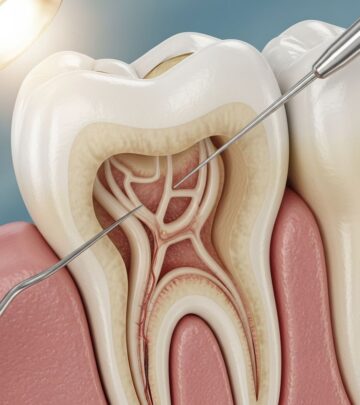
Root canal therapy is a crucial dental procedure designed to repair and preserve teeth that have been severely damaged or infected. Instead of removing the affected tooth, this treatment targets the source of infection and rebuilds the tooth structure, aiming to maintain oral health and functionality.
This article offers an in-depth exploration of root canal treatment—its necessity, procedural steps, expected outcomes, and related dental health concerns. Whether you are facing a tooth abscess or considering alternatives to extraction, understanding the essential facts about root canals empowers you to make informed decisions.
Overview of Root Canal Treatment
A root canal is a dental procedure used to repair and save a badly damaged or infected tooth rather than removing it altogether. The term ‘root canal’ comes from the process of cleaning out the canals inside a tooth’s root.
Historically, root canal treatments were associated with significant discomfort. However, modern dental advances and the use of local anesthesia mean that today, most patients experience little to no pain during the procedure. In fact, living with a decayed or abscessed tooth tends to cause more pain than the treatment itself.
If a root canal is not performed, alternatives include extraction of the damaged tooth, followed by replacement options such as dental implants, bridges, or removable dentures.
Why You May Need a Root Canal
Teeth contain a soft core known as dental pulp, which extends from the visible crown down to the tip of the root in the jawbone. The pulp is made up of nerves, blood vessels, and connective tissue. This vital tissue plays a role in tooth growth and sensitivity.
Reasons for pulp damage include:
- Deep cavities that allow bacteria to reach the pulp.
- Cracks or chips in teeth, offering bacteria a pathway to the pulp.
- Injury or trauma to the tooth, potentially disrupting blood supply to the pulp.
- Previous dental procedures that weaken or expose inner structures.
Once bacteria invade the pulp, infection and inflammation can take hold, possibly resulting in a tooth abscess, a pocket of pus caused by bacterial infection at the tooth root. Without treatment, this can lead to pulp death, bone loss, and ultimately, tooth loss.
Symptoms of pulp infection or abscess can include:
- Swelling in the face or neck
- Persistent toothache
- Pain when chewing, biting, or with temperature extremes
- Gum swelling
- Sensitivity to hot or cold beverages
- A foul taste or smell in the mouth indicating pus drainage
Symptoms and Causes of Tooth Abscess
| Symptoms | Possible Causes |
|---|---|
|
|
Prompt treatment is crucial if you experience these symptoms. Delays may allow the infection to spread further, with potentially severe health consequences.
Diagnosis of Tooth Abscess and Need for Root Canal
Dentists use a combination of clinical examination and imaging to diagnose abscesses and determine the need for root canal therapy:
- Tapping on teeth: Abscessed teeth are sensitive to pressure.
- X-rays: Reveal the presence and extent of infection, abscess location, and whether it has spread.
- CT scans: Used if infection extends beyond the tooth and into neck or facial tissues.
Accurate diagnosis guides treatment choice. If the tooth can be salvaged, a root canal is the preferred approach.
Step-by-Step Guide to Root Canal Procedure
- Anesthesia and Preparation: The dentist administers a local anesthetic for pain control. A dental dam is placed to keep the tooth dry and isolated.
- Access Opening: A small opening is made in the crown to access the pulp chamber and root canals.
- Removal of Pulp: All infected or inflamed pulp tissue is carefully removed.
- Cleaning and Disinfection: The root canals are meticulously cleaned, shaped, and disinfected to eliminate bacteria and prevent reinfection.
- Filling and Sealing: The cleaned canals are filled with a biocompatible material (usually gutta-percha) and sealed.
- Restoration: The opening in the crown is closed with a filling. Most often, a crown is placed on the tooth at a subsequent appointment to restore strength and function, especially for back teeth.
If properly cared for, a tooth treated by root canal can last a lifetime.
Alternatives to Root Canal Treatment
- Tooth Extraction: Removal of the affected tooth is a definitive solution to infection but creates a gap.
- Replacement Options: After extraction, the lost tooth can be replaced using dental implants, bridges, or removable partial dentures.
- Drainage and Antibiotics: Sometimes, the abscess is drained and antibiotics prescribed, particularly when infection has spread or for immunocompromised individuals.
Whenever possible, saving the natural tooth with root canal therapy is recommended as it maintains jaw structure, chewing ability, and natural appearance.
Risks and Complications
- Incomplete infection removal: Rare, but possible if anatomical complexities obscure canal cleaning.
- Post-treatment discomfort: Mild soreness or sensitivity may persist for a few days.
- Tooth fracture: Especially if a crown is not placed, leading to structural weakness.
- Re-infection: May require repeat treatment or extraction if bacteria re-enter the canals.
- Allergic reaction: To anesthesia or materials used, though rare.
Dental advances have minimized risks, and complications are very uncommon when performed by skilled clinicians.
Recovery and Aftercare
- Pain management: Over-the-counter analgesics usually suffice for post-procedure discomfort.
- Oral hygiene: Crucial for preventing future infections—brush, floss, and attend regular dental checkups.
- Crown placement: If advised by your dentist, have a crown placed to protect the treated tooth.
- Avoid chewing on hard foods: Especially before final restoration, to prevent fractures.
- Follow-up: Return to your dentist for evaluation of healing and restoration.
Frequently Asked Questions (FAQs)
Q: Is a root canal painful?
A: With modern local anesthesia and techniques, most root canals cause little or no pain. Discomfort from infection is usually greater than that from treatment.
Q: How long does a treated tooth last?
A: With proper care, a tooth that has undergone root canal therapy and is appropriately restored (often with a crown) can last a lifetime.
Q: Will I need antibiotics after a root canal?
A: Antibiotics are generally prescribed only if the infection is severe or has spread beyond the tooth; routine root canals do not require antibiotics for healthy individuals.
Q: What happens if I delay treatment?
A: Untreated pulp infections can lead to abscess formation, bone loss, systemic infection, and even life-threatening complications. Prompt care is essential.
Q: What if my tooth cannot be saved?
A: Extraction is necessary for unsalvageable teeth. Replacement options include dental implants, bridges, or dentures to restore function and appearance.
Root Canal vs Tooth Extraction: Pros and Cons
| Aspect | Root Canal | Extraction |
|---|---|---|
| Preserves Natural Tooth | Yes | No |
| Pain and Recovery | Minimized pain, short recovery with modern techniques | Possible discomfort, longer healing for socket |
| Need for Further Restoration | Crown placement often needed | Implant/bridge/denture required for function |
| Impact on Chewing and Appearance | Maintained | Lost, unless replaced |
| Risk of Bone Loss | Minimal | Higher risk without replacement |
Prevention and Oral Health Tips
- Brush teeth twice daily using fluoride toothpaste.
- Floss daily to remove plaque between teeth.
- Avoid sugary snacks and beverages that feed bacteria.
- Seek prompt dental care for cavities, chips, or trauma.
- Attend regular dental checkups for early detection of problems.
When to Seek Emergency Care
Seek immediate dental or medical attention if you have:
- Swelling of the face, cheek, or neck making breathing or swallowing difficult
- High fever or systemic symptoms
- Persistent pain unrelieved by regular analgesics
These may indicate severe infection extending beyond the tooth and require urgent intervention.
Key Takeaways
- Root canal treatment is an effective, virtually painless method to save teeth with severe decay or infection.
- Prompt treatment of dental abscesses can prevent serious, even life-threatening complications.
- Modern restoration techniques ensure treated teeth remain functional and strong.
- Practicing good oral hygiene and seeking regular dental care helps prevent the need for root canal therapy.
References
- https://www.mayoclinic.org/diseases-conditions/tooth-abscess/diagnosis-treatment/drc-20350907
- https://www.mayoclinic.org/diseases-conditions/tooth-abscess/in-depth/root-canal/art-20585454
- https://www.aae.org/specialty/wp-content/uploads/sites/2/2019/02/Movie_TalkingPoints-2.pdf
- https://www.mayoclinic.org/diseases-conditions/tooth-abscess/symptoms-causes/syc-20350901
- https://www.kuh.ku.edu.tr/mayo-clinic-care-network/mayo-clinic-health-information-library/diseases-conditions/tooth-abscess
- https://monument.health/mayo-clinic-health-information-library/article/?mayo-id=ABT-20328157
- https://www.mayoclinic.org/diseases-conditions/tooth-abscess/multimedia/periapical-tooth-abscess/img-20008974
- https://www.mayoclinic.org/diseases-conditions/cavities/symptoms-causes/syc-20352892
- https://drmarianadds.com/root-canal-signs-and-symptoms-of-a-tooth-abscess/
- https://www.colgate.com/en-ph/oral-health/mouth-sores-and-infections/dental-abscesses-and-infection-in-gums-what-you-need-to-know
Similar Articles






Read full bio of Sneha Tete


