
Comprehensive Guide to Primidone Oral: Uses, Dosage, Side Effects, and Precautions
Learn about primidone oral: uses for epilepsy and tremor, dosing guidelines, precautions, and management of side effects.
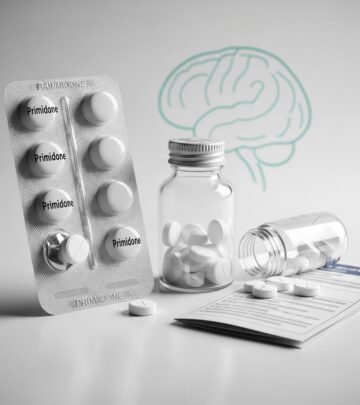
Primidone Oral: Description, Uses, Dosage, and Guidance
Primidone is a barbiturate-class oral medication used to control specific types of seizures, as well as in select cases of essential tremor. It has a long track record of clinical effectiveness, especially for epilepsy resistant to other drugs. This comprehensive guide covers indications, dosing, side effect management, patient precautions, drug interactions, and useful FAQs about primidone oral therapy.
What Is Primidone?
Primidone is an anticonvulsant prescribed alone or with other medications to treat seizure disorders, particularly grand mal, psychomotor, and focal epileptic seizures. While not considered first-line therapy today due to newer antiepileptic options, primidone remains crucial for certain drug-resistant forms of epilepsy and is sometimes used for essential tremor.
- Drug class: Barbiturate anticonvulsant
- Brand name: Mysoline
- Formulations: Oral tablets (50 mg, 250 mg)
- Mechanism of action: Decreases abnormal electrical activity in the brain
Indications for Use
- FDA-approved: Treatment of seizure disorders, including grand mal, psychomotor (temporal lobe), and focal epileptic seizures.
- Off-label: Management of essential tremor (alternative when first-line drugs fail or are unsuitable).
- Occasionally explored for other neurological conditions, but not recommended or proven for antipsychotic, antidepressant, anxiolytic, or insomnia uses.
Essential Context
Primidone is especially noted for its efficacy in cases of epilepsy that do not respond well to other drugs. Although its use for essential tremor is well-established, it is generally prescribed when other medications like propranolol are ineffective or unsuitable.
How Primidone Works
Primidone is metabolized in the body to phenobarbital and phenylethylmalonamide (PEMA), both of which contribute to its anticonvulsant effects. Unlike phenobarbital, primidone’s unique chemical structure results in strong seizure prevention with generally less sedation.
- Directly calms overactive nerves in the brain.
- Pharmacokinetics: Approximately 8-hour half-life; not highly protein-bound (about 10%).
Primidone Dosage and Administration
| Indication | Starting Dose | Target Dose | Maximum Dose |
|---|---|---|---|
| Seizure Disorder | 100–125 mg at bedtime (first 3 days) | 250 mg 3–4 times daily | Up to 2 g per day |
| Essential Tremor | Lower doses, titrated based on response | Typically similar to epilepsy doses; individual adjustment | Not to exceed epilepsy dosing |
- Route: Oral tablets, taken with water.
- Frequency: Usually 3 to 4 times daily, at consistent times.
- Dosing strategy: Start low and increase gradually to minimize side effects.
- Discontinuation: Should be tapered gradually; abrupt stopping can worsen seizures.
General Administration Tips
- Take at the same time(s) each day for best effect.
- Follow your provider’s instructions exactly—do not self-adjust your dose.
- If switching from another anticonvulsant, your clinician will gradually reduce the other drug as the primidone dose increases over a period of at least two weeks.
Monitoring and Laboratory Tests
- Serum levels of primidone (and its metabolite phenobarbital) may be monitored to optimize efficacy and safety.
- For accurate lab assessment, specimens should be collected just before the next scheduled dose.
- Specimen stability is best maintained under refrigeration; should be processed and analyzed as instructed by clinical laboratories.
Precautions Before Taking Primidone
Discuss your medical history and current medications with your healthcare provider before starting primidone. Specifically, mention:
- Allergic reactions to barbiturates or anticonvulsants.
- History of depression, mental health conditions, or mood disorders.
- Respiratory problems or sleep apnea.
- Liver and kidney disease.
- Past or present substance abuse, especially with sedative medications or alcohol.
- Pregnancy, planning to become pregnant, or breast-feeding.
Possible Side Effects
Like all medications, primidone can cause side effects. Most are mild, but some require immediate medical attention.
- Common side effects: Drowsiness, dizziness, unsteady gait, nausea, vomiting.
- Serious side effects: Mood changes, suicidal thoughts, rash, difficulty breathing, persistent fever, swollen glands.
- Long-term risks: Potential for interictal depression, changes in behavior.
- Rare, but important: Allergic reactions, severe skin reactions.
Management of Side Effects
- Contact your healthcare provider if you experience severe symptoms or persistent adverse effects.
- Never stop taking primidone suddenly; always seek provider input for discontinuation.
- Side effects may decrease over time as your body adjusts to the medication.
Drug Interactions
Primidone has relatively few major drug-drug interactions. However, it is important to discuss all medications and supplements you’re taking with your healthcare provider.
- Phenobarbital is a major metabolite of primidone; toxicity can be due to its accumulation.
- Monitor for enhanced sedative effects when taken with alcohol or other central nervous system depressants.
- Check with your provider before using other anticonvulsants or psychotropic medications.
Special Advice on Drug Interactions
- Primidone does not have major pharmacological interactions affecting its metabolism.
- The most common interactions that require attention relate to sedatives and drugs affecting mood or cognitive function.
- Over-the-counter supplements and herbal remedies may also affect response—inform your pharmacist and provider of all substances you take.
Special Populations and Considerations
- Pediatric use: Dosing should be individualized based on age, weight, and response; follow strict provider guidance.
- Geriatric use: Use cautiously; start at the lowest effective dose to prevent excessive sedation and falls.
- Pregnancy and Breastfeeding: Use only if clearly needed; discuss risks versus benefits with your provider.
- Renal and hepatic impairment: Dose adjustments may be necessary; regular monitoring is advised.
Instructions for Safe Use
- Do not share: Never share your primidone prescription with others, even if symptoms appear similar.
- Storage: Keep tablets in their original container, away from heat, moisture, and sunlight.
- Missed dose: If you miss a dose, take it as soon as you remember unless it is nearly time for the next scheduled dose. Do not double doses.
- Emergency: Seek medical help if you experience severe allergic reaction or overdose symptoms (extreme drowsiness, difficulty breathing, unconsciousness).
Additional Uses and Research
Primidone has been researched for additional clinical applications, including cases of neonatal apnea resistant to theophylline and historic use in mood disorders. However, these are not supported by strong evidence, and primidone should not be used for these conditions unless specifically directed by an experienced physician.
- Mainly used for grand mal and psychomotor epilepsy, and as an alternative in essential tremor.
- Occasionally considered for myoclonic, akinetic, or Jacksonian seizures in complex, resistant cases.
Medication Guide and Patient Education
With every prescription and refill of primidone, your pharmacist should provide a Medication Guide. This document covers important aspects such as drug purpose, administration directions, potential side effects, precautions, and handling of missed or extra doses. Read this information carefully each time you receive your medication.
- Do not hesitate to ask your pharmacist or provider any questions about your medication or its use.
- Keep all scheduled appointments for laboratory tests and check-ups.
Frequently Asked Questions (FAQs)
Q: What conditions does primidone treat?
A: Primidone is mainly used for seizure disorders (grand mal, psychomotor, and focal epileptic seizures). It may also be prescribed for essential tremor when first-line treatments are contraindicated or ineffective.
Q: Is primidone still commonly prescribed?
A: While less common than newer antiepileptics, primidone remains important for certain resistant forms of epilepsy and for essential tremor when alternatives are not suitable.
Q: Can I stop taking primidone if I feel better?
A: No. Stopping primidone suddenly can worsen your seizures or cause withdrawal. Taper off only under medical guidance.
Q: What should I do if I miss a dose?
A: Take the missed dose as soon as you remember unless it is almost time for your next dose. Do not double up doses.
Q: Are there special precautions for older adults?
A: Yes. Dosing should start low, with cautious upward adjustment to avoid sedation and increased risk of falls.
Q: Does primidone interact with other medications?
A: Primidone may interact with sedative drugs, alcohol, and other anticonvulsants. Always discuss other medications and supplements with your provider.
Q: Is blood testing necessary during primidone therapy?
A: Yes, periodic monitoring of serum levels helps tailor dosing and prevent toxicity, particularly due to its phenobarbital metabolite.
Summary Table: Quick Reference for Primidone Oral Therapy
| Key Feature | Details |
|---|---|
| Drug Class | Barbiturate anticonvulsant |
| Brand Name | Mysoline |
| Main Indications | Seizure disorders; essential tremor (off-label) |
| Dosage Forms | Oral tablets: 50 mg, 250 mg |
| Administration | By mouth, 3–4 times daily |
| Common Side Effects | Drowsiness, dizziness, nausea |
| Serious Risks | Mood changes, allergic reactions, depression |
| Special Precautions | Gradual dosing, monitor for behavioral changes, lab tests |
Conclusion
Primidone oral therapy remains a vital tool in the management of specific seizure disorders and essential tremor. Careful dosing, patient education, and monitoring are crucial to maximize benefit and minimize risks. Always consult your healthcare provider for personalized guidance, and report any adverse symptoms promptly. With informed use, primidone can significantly improve quality of life for individuals with drug-resistant epilepsy or difficult tremor.
References
- https://www.mayocliniclabs.com/test-catalog/overview/37053
- https://www.mayoclinic.org/diseases-conditions/essential-tremor/diagnosis-treatment/drc-20350539
- https://therapeutics.testcatalog.org/show/PRMB
- https://www.ebsco.com/research-starters/health-and-medicine/primidone-drug-interactions
- https://my.clevelandclinic.org/health/drugs/20024-primidone-tablets
- https://medlineplus.gov/druginfo/meds/a682023.html
- https://www.ncbi.nlm.nih.gov/books/NBK562297/
Similar Articles





Read full bio of medha deb


