
Miconazole Topical: Uses, Directions, and Precautions for Safe Antifungal Treatment
Comprehensive guide to Miconazole topical medication: uses, proper application, precautions, and answers to common patient questions.

Miconazole Topical Medication Overview
Miconazole is an antifungal medication commonly used to treat various fungal infections of the skin. Available in multiple topical forms, it is widely recognized for its effectiveness in stopping the growth of fungi responsible for conditions such as athlete’s foot, jock itch, and ringworm. This article provides a detailed, medically grounded guide on the uses, application, precautions, and frequently asked questions regarding miconazole topical products.
Category
Pharmaceuticals — Topical Antifungals
What is Miconazole Topical?
Miconazole topical belongs to the group of antifungal medicines called imidazoles. It is specifically formulated for external use to treat certain types of skin fungal infections, including:
- Tinea corporis (ringworm): Red, scaly rash on various parts of the body
- Tinea cruris (jock itch): Fungal infection in the groin or buttocks
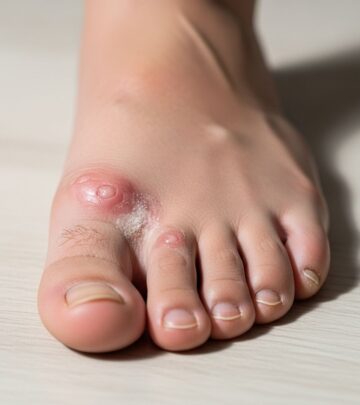
- Tinea pedis (athlete’s foot): Fungal infection on the feet and between the toes
- Tinea versicolor: Fungal infection causing brown or light-colored spots
- Superficial yeast infections: Including some cases of diaper rash when combined with other ingredients
The drug works by
stopping the growth of fungi
that cause infection. It is not effective against bacterial or viral infections [10].Available Forms and Brands
Miconazole topical is available in various formats, including:
- Cream
- Powder
- Aerosol Spray
- Aerosol Solution
- Tincture
Common brand names include Aloe Vesta, Antifungal, Baza, Desenex, Micaderm, Micatin, Monistat-Derm, and Neosporin AF .
Uses of Miconazole Topical
- Primary use: Treatment of fungal skin infections such as athlete’s foot, ringworm, jock itch, and tinea versicolor .
- Secondary uses: May be prescribed for other superficial skin yeast infections and, in combination products, for diaper rash .
- Note: Not suitable for scalp or nail infections, or any internal use (e.g., mouth, vagina) unless specifically formulated for those sites .
Proper Use and Directions
Correct application is crucial for the medication to work well and to ensure safety:
- Apply enough miconazole to cover the affected area and rub in gently .
- Keep this medicine away from eyes and mouth. Only for external use on skin .
- Wash the affected area and dry thoroughly before application.
- Follow the instructions on the package label or as directed by a doctor. Do not use more or less than prescribed, nor more often than recommended .
Application Instructions by Form
| Form | Key Steps |
|---|---|
| Cream/Powder/Tincture | Apply a thin layer to cover the area; gently rub in. For powders, sprinkle between toes, on feet, socks, and shoes if treating athlete’s foot. |
| Aerosol Spray Powder | Shake well before use. Spray from 6–10 inches away. Spray between toes, on feet, socks, and shoes. Do not inhale. Keep away from heat/flames . |
| Aerosol Solution | Shake well before use. Spray 4–6 inches away. Spray between toes and on feet if using for athlete’s foot. Do not inhale vapors. Keep away from heat/flames. |
Important Tips
- Do not use occlusive (airtight) dressings over miconazole unless directed by your doctor, as this may irritate the skin .
- If using powder for jock itch, avoid applying to open wounds .
- When treating athlete’s foot, pay special attention to spaces between toes and change shoes/socks daily .
- Continue using for the full duration of treatment, even if symptoms improve, to avoid recurrence of infection .
Dosage and Duration
The amount and duration of use depend on type of infection:
- Jock itch: Typically improves after 2 weeks of treatment.
- Athlete’s foot or ringworm: Typically improves after 4 weeks of treatment .
- If symptoms do not improve or worsen, contact your healthcare provider.
Follow any specific instructions provided by your doctor and pharmacist regarding duration and frequency.
Guidance Table on Duration by Condition
| Condition | Usual Duration of Treatment |
|---|---|
| Jock itch (tinea cruris) | 2 weeks |
| Athlete’s foot (tinea pedis) | 4 weeks |
| Ringworm (tinea corporis) | 4 weeks |
| Tinea versicolor | As directed by your doctor |
Missed Dose Instructions
- Apply the missed dose as soon as possible.
- If closer to the next scheduled dose, skip the missed dose. Do not double the application.
- Resume your regular dosing schedule .
Special Precautions
Before Using Miconazole Topical
- Allergies: Inform your doctor or pharmacist if you have allergies to miconazole, any other medications, or ingredients in the product .
- Other Medications: Provide your doctor and pharmacist with a full list of prescription, nonprescription, vitamins, nutritional supplements, and herbal products you are taking .
- Pregnancy/Breastfeeding: Notify your doctor if you are pregnant, planning to become pregnant, or breastfeeding. If you become pregnant while using, consult your doctor .
Dietary Instructions
- No special dietary changes are required unless otherwise directed by your physician .
Possible Side Effects
- Burning, stinging, or irritation at the site of application
- Redness or itching of the treated area
- Allergic reactions are rare but may occur; seek medical advice if severe rash or swelling develops
- Long-term or excessive use may occasionally cause skin irritation
If any side effects persist or become severe, contact your healthcare provider.
Safety Warnings
- External use only: Never ingest or apply to internal tissues unless specifically formulated for such use .
- Caution with aerosol sprays and tinctures: Highly flammable; do not use near heat, open flames, or while smoking .
- Avoid occlusive dressings unless instructed by your doctor .
Other Uses for Miconazole Topical
Miconazole topical may be used for conditions such as tinea versicolor or certain yeast infections of the skin when advised by your doctor. Off-label uses should only be considered under medical guidance .
Frequently Asked Questions (FAQs)
Q1: Can I use miconazole topical on broken skin?
No. Avoid applying powders or creams to open wounds or broken skin unless instructed by your healthcare provider .
Q2: What do I do if miconazole gets into my eyes?
Rinse your eyes immediately with cool tap water. Seek medical attention if irritation persists .
Q3: Can miconazole topical treat nail or scalp infections?
No. It is not effective for infections of the nails or scalp. Specific products are required for those conditions .
Q4: Is miconazole safe for children?
Some miconazole topical products can be used in children over 4 weeks old for diaper rash or skin infection. Dosage must be determined by a doctor .
Q5: How do I store miconazole topical products?
- Store at room temperature in a dry place.
- Protect aerosol sprays from heat and open flames.
- Keep out of reach of children and pets.
Tips for Preventing Fungal Skin Infections
- Keep skin clean and dry.
- Avoid sharing towels, shoes, or personal items.
- Wear well-ventilated footwear for athlete’s foot prevention.
- Change socks and underwear daily.
When to Contact a Healthcare Professional
- If there is no improvement after the expected duration (2–4 weeks)
- If symptoms worsen or spread
- If severe or allergic reactions develop
- For guidance on alternative uses or combining with other medications
Key Takeaways
- Miconazole topical is a reliable first-line treatment for multiple skin fungal infections.
- Use as directed and maintain hygiene for best results.
- Pay close attention to safety guidelines, especially with flammable products and around children.
- Consult with a healthcare provider for any uncertainties or persistent symptoms.
References
- https://medlineplus.gov/druginfo/meds/a618061.html
- https://www.mayoclinic.org/drugs-supplements/tioconazole-topical-route/description/drg-20066387
- https://my.clevelandclinic.org/health/drugs/20834-miconazole-skin-cream
- https://www.mayoclinic.org/drugs-supplements/miconazole-topical-route/description/drg-20068784
- https://www.mayoclinic.org/drugs-supplements/miconazole-zinc-oxide-and-white-petrolatum-topical-application-route/description/drg-20443980
- https://www.mayoclinic.org/drugs-supplements/miconazole-buccal-mucosa-route/description/drg-20074251
- https://www.mayoclinic.org/diseases-conditions/yeast-infection/diagnosis-treatment/drc-20379004
- https://www.mayoclinic.org/drugs-supplements/clotrimazole-topical-route/description/drg-20063212
- https://store.mayoclinic.com/remedy-phytoplex-antifungal-ointment.html
- https://pubmed.ncbi.nlm.nih.gov/15663341/
Similar Articles






Read full bio of medha deb


