
Meningitis Diagnosis and Treatment: What You Need to Know
A comprehensive overview of how meningitis is diagnosed and treated, including testing methods, medications, and special considerations.

Meningitis: Diagnosis and Treatment
Meningitis, an acute or chronic inflammation of the membranes (meninges) covering the brain and spinal cord, is a potentially life-threatening condition that requires prompt recognition, accurate diagnosis, and appropriate treatment. While several types and causes of meningitis exist—including bacterial, viral, fungal, and other forms—the approach to diagnosis and treatment shares several critical principles.
Overview of Meningitis
Meningitis most often results from an infection, though it can also be triggered by medications, autoimmune disorders, or cancer. The main types include:
- Bacterial meningitis: Often severe and can be fatal without immediate antibiotic therapy.
- Viral meningitis: Generally less severe and often resolves with supportive care.
- Fungal and other types: Rare but serious, typically affecting individuals with compromised immune systems.
Diagnosis
Early and accurate diagnosis of meningitis is crucial because it guides therapy and can be lifesaving. Diagnosis typically involves gathering medical history, performing a detailed physical exam, and running several key laboratory and imaging tests.
Key Diagnostic Methods
- Blood cultures: Blood samples are cultured to check for bacteria or other pathogens. These cultures help identify the specific organism responsible for infection and can provide guidance for targeted antibiotic therapy. A sample may also be stained and viewed under a microscope to detect germs more rapidly.
Purpose: Find bloodstream infection that could cause or be associated with meningitis. - Imaging (CT or MRI): Scans of the head look for swelling, inflammation, or complications associated with meningitis. Chest or sinus imaging (X-ray or CT) may be performed if infection in those areas is suspected.
Purpose: Rule out other causes and detect complications, e.g., abscess, brain swelling. - Spinal tap (lumbar puncture): A sample of cerebrospinal fluid (CSF) is collected from the lower back. In meningitis, this fluid may show:
- Lower glucose (sugar) than normal
- Elevated white blood cell count
- Increased protein levels
CSF analysis is the gold standard for diagnosing meningitis, including identifying the cause (bacterial, viral, fungal, etc.). For viral causes, advanced methods like polymerase chain reaction (PCR) are often used to detect viral genetic material for precise identification.
| Feature | Bacterial | Viral | Fungal |
|---|---|---|---|
| Glucose | Low | Normal | Low or normal |
| Protein | High | Normal/High | High |
| WBC Count | High (neutrophils) | High (lymphocytes) | High (lymphocytes/monocytes) |
Additional and advanced testing:
- Meningitis/Encephalitis PCR Panels: Rapid, automated panels test for a range of bacteria, viruses, and yeast from CSF in about an hour, improving diagnostic accuracy and speed.
- Other specific tests: If autoimmune, allergy, or cancer is suspected, further specialized tests may be performed.
Treatment
Treatment for meningitis depends entirely on its cause. As delays in starting therapy for bacterial forms of meningitis can be fatal or cause lifelong harm, treatment is often started immediately—even before all diagnostic results are available—especially if bacterial infection is suspected.
Bacterial Meningitis
Bacterial meningitis is a medical emergency. Even with treatment, it can be fatal or result in serious complications including brain injury, hearing loss, or seizures. Prompt initiation of antibiotics and, in some cases, corticosteroids is critical.
- Intravenous (IV) antibiotics: Treatment begins with broad-spectrum antibiotics that cover a wide range of potential bacteria. Once the specific bacterium is identified, therapy is targeted accordingly to maximize effectiveness and reduce toxicity.
- Corticosteroids (e.g., dexamethasone): These may be given alongside antibiotics, especially in children and certain adult cases, to decrease inflammation in the brain and reduce the risk of complications (e.g., swelling, seizures, hearing loss).
- Antiviral medication (rare): If herpes virus is identified as the cause, antivirals (such as acyclovir) may be included in the regimen.
- Hospitalization: Most people with bacterial meningitis require hospitalization for careful monitoring, supportive care, and further testing if complications arise.
- Supportive measures:
- Pain relievers for headache and body aches
- IV fluids and electrolyte management
- Management of seizures if they occur
Bacterial Meningitis: Summary of Treatment Steps
- Immediate IV broad-spectrum antibiotics (switch to targeted antibiotics once lab results are back)
- Consider corticosteroids to reduce inflammation
- Hospital care with monitoring for complications
- Additional medications (e.g., anti-seizure drugs) as necessary
Viral Meningitis
Most cases of viral meningitis are mild and self-limited, resolving with rest and supportive care. Antibiotics are not useful, as they do not affect viruses.
- Core measures:
- Bed rest
- Adequate fluid intake to prevent dehydration
- Over-the-counter pain relievers for fever and discomfort
- Antiviral medication: Only indicated if a specific treatable virus (e.g., herpes simplex virus) is identified as the cause.
Recovery from viral meningitis is often complete within a few weeks, but follow-up may be recommended in certain circumstances or if symptoms persist.
Other Types of Meningitis
- Fungal Meningitis: Treated with specific antifungal medications. These drugs can have serious side effects, so confirmation of fungal infection is preferred before initiating therapy.
- Tuberculous (TB) Meningitis: Managed with a combination of antituberculous antibiotics over an extended period. Like fungal forms, TB meningitis drugs can have notable adverse effects.
- Autoimmune or drug-induced meningitis: May respond to corticosteroids or by discontinuing the offending medication. Sometimes, the inflammation resolves without specific therapy.
- Cancer-related (neoplastic) meningitis: Treatment focuses on controlling the underlying cancer, which may include chemotherapy, radiation, or targeted drug therapy.
Frequently Asked Questions (FAQs)
Q: How is meningitis first suspected or recognized?
A combination of symptoms—such as fever, severe headache, stiff neck, confusion, vomiting, and sensitivity to light—especially if they develop rapidly, may prompt healthcare providers to suspect meningitis. In infants, symptoms can be more subtle and include irritability, poor feeding, and a bulging soft spot on the head.
Q: Why is immediate treatment so important in bacterial meningitis?
Bacterial meningitis can cause brain damage or death within days if untreated. Starting antibiotics and supportive therapy quickly greatly improves the chances of recovery and lowers the risk of complications.
Q: What is a lumbar puncture and why is it considered the gold standard for diagnosis?
A lumbar puncture, or spinal tap, is the removal of cerebrospinal fluid (CSF) from the space around the spinal cord. CSF analysis reveals changes characteristic of meningitis and often allows for direct detection of the causative organism. This information is vital for selecting the most effective treatment.
Q: Can you test for meningitis at home or without laboratory support?
No. Diagnosis of meningitis relies on laboratory analysis (blood, CSF), imaging, and sometimes PCR or other molecular techniques. There are no reliable home tests for meningitis.
Q: How long does recovery from meningitis usually take?
Recovery time varies widely. Viral meningitis often improves within weeks, whereas bacterial or fungal meningitis can require prolonged treatment and recovery. Some individuals experience persistent symptoms or lasting health issues.
Q: Do you always need medicines for all types of meningitis?
No. Bacterial meningitis requires urgent antibiotics; viral meningitis may resolve with supportive care; fungal and tuberculous forms need targeted medications. Some non-infectious types can resolve independently or with corticosteroids.
Special Considerations and Outlook
- Hospitalization: Most people with moderate-to-severe meningitis need hospital care. Severe cases often require intensive monitoring and management of complications.
- Follow-up care: After discharge, follow-up is essential to check for complications (e.g., hearing loss, neurological deficits, recurrences).
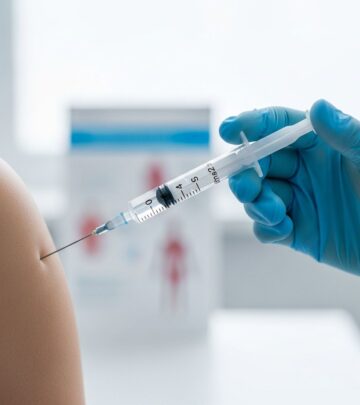
- Prevention: Vaccines are available for some causes of bacterial meningitis (e.g., meningococcal, pneumococcal vaccines), and prophylactic antibiotics may be necessary for close contacts in certain cases.
Key Points to Remember
- Early diagnosis and treatment of bacterial meningitis are life-saving.
- Prompt hospital assessment is required for anyone with symptoms suggestive of meningitis.
- Diagnosis relies on a combination of clinical evaluation, laboratory studies (especially CSF analysis), and occasionally imaging.
- Treatment varies by underlying cause: antibiotics for bacterial, antivirals or supportive care for viral, antifungals for fungal, and condition-specific therapy for other causes.
- Vaccination, infection control, and public health measures are important for prevention.
References
- https://www.mayoclinic.org/diseases-conditions/meningitis/diagnosis-treatment/drc-20350514
- https://my.clevelandclinic.org/health/diseases/14600-meningitis
- https://newsnetwork.mayoclinic.org/discussion/meningitis-inflammation-of-membranes-around-your-brain-and-spinal-cord/
- https://www.mayocliniclabs.com/test-catalog/overview/67846
- https://www.youtube.com/watch?v=eVswuWrxif8
- https://newsnetwork.mayoclinic.org/discussion/early-treatment-for-bacterial-meningitis-results-in-better-outcome/
- https://www.youtube.com/watch?v=eazIkM8fqRQ
- https://www.mayoclinic.org/drugs-supplements/meningococcal-vaccine-intramuscular-route-subcutaneous-route/description/drg-20064657
Similar Articles




Read full bio of Sneha Tete


