
Gastrointestinal Stromal Tumors: Symptoms, Causes, and Risks
Understand GIST, its origins, risk factors, and symptoms—essential insights for patients and caregivers.

Gastrointestinal Stromal Tumors (GIST): Symptoms, Causes, and Risk Factors
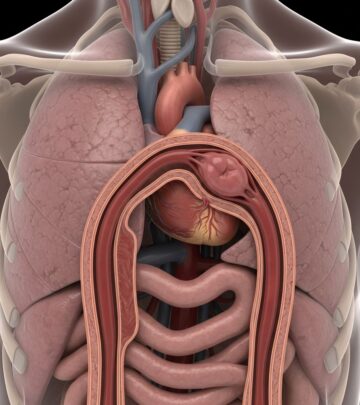
Gastrointestinal stromal tumors (GISTs) represent a specific type of cancer starting in the digestive tract. GISTs most frequently arise in the stomach or small intestine, but can develop anywhere along the gastrointestinal (GI) tract. This article explores the essential symptoms, underlying causes, and risk factors associated with GISTs, offering valuable insights for patients, caregivers, and the general public.
Overview: What Is a Gastrointestinal Stromal Tumor?
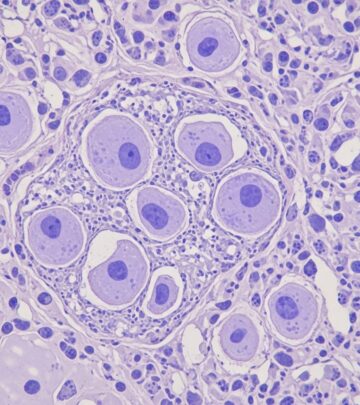
A gastrointestinal stromal tumor (GIST) is a rare form of cancer that develops from special cells found in the wall of the GI tract. Known as the interstitial cells of Cajal, these cells normally help regulate the movement of food and liquids through the digestive system. GISTs form when genetic changes alter how these cells grow and divide, eventually giving rise to tumors. Although rare among all cancers, GIST is the most common type of mesenchymal tumor of the digestive system.
- GISTs are typically found in the stomach (about 60%) or small intestine (about 30%).
- Tumors can also occur in the colon, rectum, esophagus, or other areas.
- They may range in size from tiny nodules only visible under a microscope to large masses that cause noticeable symptoms.
- Many GISTs are discovered incidentally during medical imaging or procedures performed for other reasons.
Symptoms of Gastrointestinal Stromal Tumors
GIST symptoms can be subtle, especially when tumors are small. Larger tumors or those that grow rapidly are more likely to produce noticeable signs. The spectrum of symptoms is broad, but may include:
- Abdominal pain or discomfort: Persistent or worsening pain within the abdomen.
- Noticeable abdominal mass: Occasionally, a lump may be felt or seen, especially as the tumor enlarges.
- Nausea and vomiting: Sometimes due to blockage or irritation of the digestive tract.
- Loss of appetite or early satiety: Feeling full even after eating minimal amounts.
- Unintended weight loss: Gradual or quick loss of body weight not explained by lifestyle factors.
- Gastrointestinal bleeding: This may appear as black, tarry stools (melena) or vomiting blood; sometimes, bleeding is slow and not immediately evident but leads to anemia.
- Fatigue: Often related to blood loss or tumor burden.
Because these symptoms are non-specific, GISTs are sometimes mistaken for more common digestive disorders at first. In many cases, mild GISTs cause no symptoms and are found incidentally.
When to Seek Medical Advice
- If you notice persistent, unexplained abdominal pain or swelling.
- If you experience unexplained gastrointestinal symptoms, including changes in stool color, vomiting blood, or unintentional weight loss.
- Early medical attention improves the likelihood of accurate diagnosis and effective treatment.
Causes: What Triggers Gastrointestinal Stromal Tumors?
The precise cause of GISTs remains unclear. However, researchers have pinpointed several important insights:
- Genetic mutations are key. Most GISTs are associated with spontaneous changes (mutations) in specific genes within the interstitial cells of Cajal.
- The most common gene affected is the KIT gene (also called CD117), which codes for a protein acting as a cell growth signal. Mutations can cause the protein to be permanently “on,” leading to uncontrolled cell growth.
- Some GISTs involve mutations in the PDGFRA gene, which also plays a role in cell growth regulation.
- In most cases, these genetic changes are not inherited; they occur by chance during a person’s lifetime.
Current evidence does not clearly link lifestyle factors, environmental exposures, or typical diet to the development of GISTs.
The Role of Interstitial Cells of Cajal
GISTs arise specifically from the interstitial cells of Cajal. These cells function as the “pacemaker” cells of the digestive system, coordinating the rhythmic contractions (peristalsis) that move food and fluids. A mutation in these cells can disrupt normal regulation, allowing the development of a tumor.
Risk Factors for Developing a GIST
While most cases of GIST occur spontaneously and unpredictably, there are several recognized risk factors that may increase the likelihood of developing this tumor:
- Age: GIST most commonly affects adults over 40 years of age, with the majority diagnosed in their 50s to 60s.
- Genetic syndromes:
- Inherited conditions such as neurofibromatosis type 1 (NF1) and a few rare familial GIST syndromes raise risk due to inherited gene mutations.
- Gender: The disease affects men and women at similar rates, although some studies suggest a slight male predominance.
- Family history: Very rarely, a hereditary pattern is seen, but most GIST cases are isolated and unrelated to family history.
It is important to note that most people diagnosed with GIST do not have any identifiable risk factors.
How GIST Develops: A Closer Look
The process by which GISTs develop is primarily tied to mutations in the KIT or PDGFRA genes. Here is how the sequence typically unfolds:
- A mutation occurs in the DNA of an interstitial cell of Cajal—usually in the KIT gene.
- This genetic alteration causes production of an abnormal version of a protein that signals the cell to keep growing and dividing.
- As these abnormal cells multiply, they form a mass—eventually developing into a GIST.
- Most cases involve only one gene change (somatic mutation), but some inherited cases involve a gene present in all the body’s cells (germline mutation).
These mutations drive tumor growth, shape response to therapy, and may influence prognosis.
Potential Complications of GISTs
If left untreated, GISTs can pose significant health risks and complications. Some of the major concerns include:
- Gastrointestinal bleeding: Due to tumor erosion into the GI tract lining.
- Obstruction: Tumors may block the passage of food or waste, leading to severe abdominal pain, vomiting, or constipation.
- Total perforation: The tumor may erode through the bowel wall, causing serious infection (peritonitis).
- Metastasis: In some cases, GISTs can spread (metastasize) to other parts of the body, most commonly the liver or abdominal lining.
- Anemia: Chronic blood loss from the tumor site can lead to low red blood cell count, causing fatigue and weakness.
Common Sites and Types of GIST
| Location | Frequency (%) | Features |
|---|---|---|
| Stomach | ~60 | Broad spectrum, often less aggressive than other locations |
| Small Intestine | ~30 | Sometimes more aggressive |
| Colon/Rectum | ~5 | Rare, variable behavior |
| Esophagus | <1 | Uncommon, often found incidentally |
| Other (omentum, mesentery) | <5 | Very rare, called extra-gastrointestinal GISTs |
Diagnostic Considerations
Diagnosis of a GIST often involves a series of evaluations:
- Imaging studies: CT scans, MRI, or ultrasound are used to visualize the tumor’s size and location.
- Endoscopy: To directly view the tumor within the GI tract and obtain a sample for biopsy.
- Biopsy and pathology: Tissue sampling confirms cancer type and allows for genetic testing (mutation analysis).
- Genetic testing: Identifies mutations in KIT or PDGFRA genes, helping guide treatment decisions.
Prevention and Risk Reduction
No proven strategies exist to prevent GIST, as most cases result from spontaneous genetic changes rather than modifiable lifestyle factors. Genetic counseling may be advised for families with known hereditary syndromes. Early symptom recognition and prompt medical evaluation remain critical for best outcomes.
Frequently Asked Questions (FAQs)
Q: Can GIST be inherited?
A: Most GISTs are not inherited. Only a small fraction occur as part of rare hereditary syndromes, in which case genetic counseling may be useful for family members.
Q: Is GIST always cancerous?
A: All GISTs have the potential to become cancerous (malignant), but not all cases behave aggressively. The risk depends on factors such as tumor size, location, and rate of cell division.
Q: Are there early warning signs of GIST?
A: Early-stage GISTs often do not cause symptoms. When signs appear, they may include abdominal discomfort, swelling, or subtle digestive changes.
Q: Can diet or lifestyle influence GIST risk?
A: There is currently no clear evidence linking dietary habits or lifestyle to the development of GIST.
Q: How are GISTs treated?
A: Treatment typically involves surgery to remove the tumor and, in many cases, targeted drug therapy (such as imatinib) to block the abnormal cell signals driving tumor growth. Choice and timing of therapy depend on tumor size, location, and presence of metastasis. (See related articles for details.)
Summary and Takeaways
- GIST is a rare but important type of digestive system tumor, most commonly found in the stomach and small intestine.
- Symptoms vary and are often non-specific; most cases result from random genetic mutations, especially of the KIT or PDGFRA genes.
- Recognized risk factors include older age, certain rare hereditary syndromes, and (rarely) family history.
- No reliable prevention methods exist, but early medical attention for unexplained digestive symptoms is essential.
Consult your healthcare provider if you have persistent abdominal symptoms, and seek evaluation for prompt diagnosis and appropriate management of potential GIST.
References
- https://pmc.ncbi.nlm.nih.gov/articles/PMC10382849/
- https://www.mayoclinic.org/diseases-conditions/gastrointestinal-stromal-tumors/diagnosis-treatment/drc-20579539
- https://pmc.ncbi.nlm.nih.gov/articles/PMC6087867/
- https://news.mayocliniclabs.com/2022/11/08/comprehensive-panel-boosts-gist-diagnosis-sensitivity-test-in-focus/
- https://www.mayoclinic.org/diseases-conditions/gastrointestinal-stromal-tumors/symptoms-causes/syc-20579528
- https://www.mayo.edu/research/clinical-trials/diseases-conditions/gastrointestinal-stromal-tumor-(gist)
- https://mayoclinic.elsevierpure.com/en/publications/i-tumori-gastrointestinali-stromali-gist(3a3559b8-de47-46c1-ad53-bd0ff78e88c5).html
Similar Articles



Read full bio of Sneha Tete


