
Causes and Management of Foot and Leg Swelling in Adults
Explore the underlying causes, risk factors, and when to seek medical help for swelling in feet or legs.

Understanding Foot and Leg Swelling in Adults
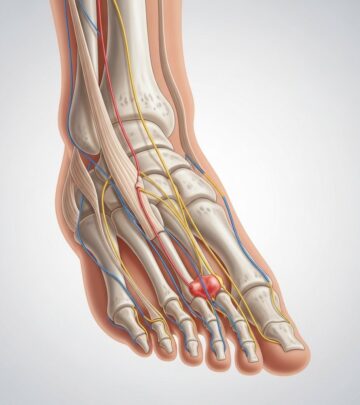
Swelling of the foot or leg is a common symptom in adults and can result from a wide range of underlying causes. This swelling may affect any part of the lower limbs, including feet, ankles, calves, or thighs. Recognizing the potential origins and severity of the swelling is crucial for determining whether it requires simple self-care or urgent medical attention.
Key Symptoms of Foot and Leg Swelling
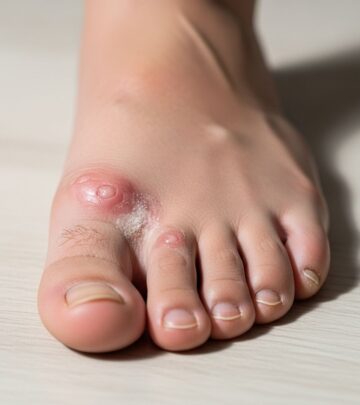
- Noticeable enlargement or puffiness of one or both legs or feet.
- Stretched, shiny, or discolored skin over the affected limb.
- Imprints from socks or stockings visible after removal.
- Sensation of tenderness, heaviness, or discomfort in the swollen area.
Main Causes of Foot and Leg Swelling
There are two primary mechanisms behind foot and leg swelling: fluid buildup within tissues and inflammation of joints or tissues. Less commonly, serious medical conditions may be involved, such as heart failure or blood clots.
Fluid Buildup (Peripheral Edema)
Peripheral edema occurs when excess fluid accumulates in the tissues, leading to swelling. Fluid retention may arise from problems with blood circulation, lymphatic drainage, kidney function, or external pressure. Not all leg swelling is a sign of heart or vascular disease; certain lifestyle factors and medications can also contribute.
- Sitting or standing for extended periods (e.g., long flights/travel).
- Obesity—that increases pressure and impairs circulation.
- Tight clothing, stockings, or jeans restricting blood flow.
Some medical conditions and treatments associated with fluid buildup include:
- Acute and chronic kidney disease
- Cardiomyopathy (heart muscle disorder)
- Chronic venous insufficiency (CVI)—veins struggle to pump blood back to heart.
- Cirrhosis (liver scarring)
- Deep vein thrombosis (DVT)—blood clot formation in the leg veins.
- Heart failure—reduced pumping efficiency.
- Hormone therapies and certain prescription medications (for blood pressure or diabetes).
- Lymphedema—blockage in the lymph system.
- Nephrotic syndrome—kidney filters become damaged, leaking proteins.
- Pain relievers (e.g., ibuprofen, naproxen)
- Pericarditis—inflammation around the heart.
- Pregnancy
- Pulmonary hypertension—high pressure in lung vessels.
- Thrombophlebitis—blood clot with vein inflammation.
Table: Common Factors Leading to Fluid Buildup
| Factor | Description |
|---|---|
| Prolonged inactivity | Sitting/standing for long periods; slows blood flow. |
| Obesity | Excess weight places additional pressure on veins. |
| Tight clothing | Restricts circulation leading to localized swelling. |
| Heart failure | Reduced ability for heart to pump blood efficiently. |
| Kidney disease | Impaired filtering and removal of fluid from body. |
| Medications | Certain drugs may cause fluid retention as a side effect. |
Inflammation
Swelling can result from localized injury, disease, or systemic inflammatory conditions. Unlike fluid retention, inflammation typically produces noticeable pain, redness, or warmth along with swelling. Below are common causes of inflammation-related swelling:
- Sports injuries (e.g., ACL tear, Achilles tendon rupture, sprains)
- Broken bones (ankle, foot, leg)
- Baker cyst—fluid-filled swelling behind the knee.
- Burns
- Cellulitis—skin infection.
- Knee bursitis—inflammation of fluid sacs in the knee.
- Osteoarthritis
- Rheumatoid arthritis—autoimmune joint condition.
Recognizing Serious Causes and When to Seek Medical Help
While many forms of leg swelling are benign and reversible, certain symptoms and circumstances require immediate evaluation. These may indicate severe underlying problems such as a blood clot (deep vein thrombosis), pulmonary embolism, or heart failure.
Warning Signs: When to Call Emergency Services
- Chest pain
- Difficulty breathing or shortness of breath with activity or lying flat
- Fainting or dizziness
- Coughing up blood
These symptoms may point to a blood clot traveling to the lungs or acute heart problems and require prompt medical attention.
When to Seek Immediate Medical Attention
- Swelling occurs suddenly, without an obvious cause
- Related to a physical injury (fall, sports accident, car crash)
- Appears in one leg only (may be painful, with pale or cool skin)
Such cases may be related to fractures, muscle/tendon tears, or blood clots, and should be evaluated urgently by a healthcare professional.
Scheduling a Doctor’s Appointment
If your swelling persists, seems to be related to medications, or is associated with other chronic symptoms (such as fatigue, shortness of breath, or skin changes), arrange a consultation for accurate diagnosis and management.
Self-Care and Symptom Management Tips
- Limit salt intake: Excess sodium can worsen fluid retention.
- Elevate your legs: Place a pillow under your legs when lying down.
- Compression stockings: Wear elastic stockings, but avoid those tight at the top.
- Move regularly: Take frequent breaks from sitting or standing for long periods unless movement causes pain.
- Medication management: Do not discontinue prescription medications without consulting your physician, even if you suspect they may cause swelling.
- Pain relief: Over-the-counter acetaminophen may relieve discomfort from swelling.
Common Risk Factors for Foot and Leg Swelling
- Age: Older adults are more susceptible.
- Obesity: Increases venous pressure and risk.
- Lifestyle: Sedentary habits, standing/sitting for long periods.
- Specific medical histories: Heart, kidney, or liver conditions.
- Medications and hormone therapies
Potential Complications
Untreated or recurrent swelling can lead to complications including:
- Skin breakdown (ulcers, infection)
- Reduced mobility
- Pain and discomfort
- Increased risk for deep vein thrombosis
Preventing Foot and Leg Swelling
- Maintain a healthy weight.
- Incorporate regular movement and physical activity into your day.
- Avoid sitting or standing for extended periods. Take breaks.
- Wear properly fitting shoes and avoid extremely tight clothing.
- If on long flights, flex ankles and stand/walk periodically.
- Follow medication instructions as directed by your doctor.
Frequently Asked Questions (FAQs)
Q: Is foot or leg swelling always a sign of a serious disease?
A: No. Many cases are related to benign causes such as injury, prolonged standing, minor infections, or tight garments. However, persistent, painful, or sudden swelling should be evaluated by a healthcare professional to rule out serious diseases like heart failure, kidney impairment, or blood clots.
Q: What is peripheral edema?
A: Peripheral edema is swelling caused by the accumulation of fluid in the tissues of the legs or arms, commonly due to gravity, impaired circulation, heart, kidney, or liver conditions.
Q: Can medications cause leg swelling?
A: Yes. Many medications, including blood pressure drugs, diabetes treatments, hormone therapies, and some painkillers (e.g., NSAIDs), can cause fluid retention and swelling.
Q: How does sitting for long periods lead to swelling?
A: Prolonged sitting or standing hinders blood and lymph return from the legs, allowing fluid to accumulate in the tissues, resulting in swelling, especially in the feet or ankles.
Q: What should I do if I experience sudden leg swelling and chest pain?
A: Seek emergency medical attention immediately, as this combination of symptoms may indicate a blood clot or serious heart condition.
Summary Table: Quick Reference to Swelling Causes and Actions
| Type of Cause | Common Examples | Recommended Action |
|---|---|---|
| Fluid retention | Heart failure, sitting long periods, medication | Elevate legs, reduce salt, consult doctor for persistent cases |
| Inflammation | Injury, arthritis, cellulitis | Rest, ice, medical evaluation for severe pain or fever |
| Blood clots | DVT, sudden one-sided swelling, pain | Seek emergency medical attention |
| Lymphatic/venous dysfunction | Lymphedema, chronic venous insufficiency | Compression, physical therapy, ongoing medical follow-up |
Conclusion
Foot and leg swelling in adults has a wide spectrum of possible causes, ranging from minor self-limited factors to serious cardiovascular or thrombotic events. Recognizing risk factors, implementing appropriate self-care strategies, and seeking timely medical intervention can mitigate complications and ensure optimal health outcomes.
References
- https://www.mayoclinic.org/diseases-conditions/edema/symptoms-causes/syc-20366493
- https://www.mayoclinic.org/symptoms/leg-swelling/basics/causes/sym-20050910
- https://www.mayoclinic.org/diseases-conditions/edema/diagnosis-treatment/drc-20366532
- https://www.mayoclinic.org/symptoms/leg-swelling/basics/when-to-see-doctor/sym-20050910
- https://www.kuh.ku.edu.tr/mayo-clinic-care-network/mayo-clinic-health-information-library/symptoms/leg-swelling
- https://www.mayoclinic.org/diseases-conditions/lymphedema/symptoms-causes/syc-20374682
- https://www.mayoclinic.org/diseases-conditions/edema/expert-answers/foot-swelling/faq-20057828
- https://www.amerikanhastanesi.org/mayo-clinic-care-network/mayo-clinic-health-information-library/symptoms/leg-swelling
Similar Articles



Read full bio of medha deb


