
Esophageal Cancer: Symptoms and Causes
Learn about the signs, risk factors, and underlying causes of esophageal cancer, and understand when to seek medical attention for early intervention.

Esophageal cancer is a serious condition that develops in the tube that transports food and liquids from the throat to the stomach. This cancer often goes unnoticed in its earliest stages, meaning symptoms usually appear only in more advanced disease. Understanding the signs, causes, and risk factors of esophageal cancer can help you recognize potential problems early and seek appropriate medical evaluation.
Overview of Esophageal Cancer
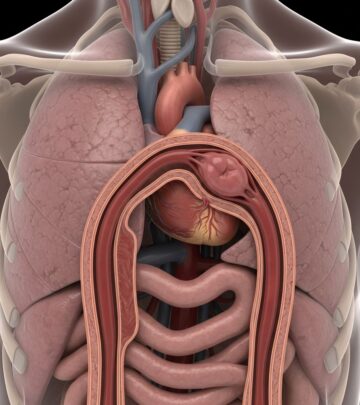
The esophagus is an essential part of your digestive system, acting as the conduit for swallowing foods and liquids. When cancer develops in this structure, it can seriously interfere with both swallowing and overall health. Each year, thousands of people are diagnosed with esophageal cancer, and early detection is crucial for better treatment outcomes.
Esophageal cancer is more common in older adults and has a higher incidence in men. It stands as one of the more aggressive cancers, in part because it is often not diagnosed until after it has begun to spread.
Symptoms
In the initial stages, esophageal cancer may not cause noticeable symptoms. As the disease progresses, individuals may experience a range of signs. Recognizing these symptoms can prompt timely medical consultation:
- Difficulty swallowing (dysphagia) – This is the most common symptom, which may start as trouble swallowing solid foods and can later progress to difficulty with liquids.
- Chest pain, pressure, or burning – Some individuals feel discomfort or pain in the chest area, often described as pressure or a burning sensation.
- Unexplained weight loss – A sudden, unintentional drop in weight is common as swallowing becomes increasingly difficult.
- Worsening indigestion or heartburn – Chronic indigestion or a significant increase in heartburn symptoms may signal an issue.
- Coughing or hoarseness – Persistent cough or changes in the voice can develop as the tumor irritates or invades nearby tissues.
Other less common symptoms may include:
- Vomiting (sometimes with blood)
- Black or bloody stools (indicative of bleeding in the esophagus)
- Fatigue or weakness
- Enlarged lymph nodes, particularly in the neck
- Pain when swallowing (odynophagia)
When to See a Doctor
Many symptoms of esophageal cancer are nonspecific and can overlap with more common conditions like acid reflux or infections. However, if you experience any of the following symptoms—especially if persistent—make an appointment with your healthcare provider:
- Difficulty swallowing that doesn’t improve
- Unexplained weight loss
- Persistent chest pain or discomfort
- Recurring cough or hoarseness
- Significant or worsening heartburn or indigestion
Prompt evaluation can lead to earlier diagnosis, which is critical for successfully treating esophageal cancer.
Causes
Esophageal cancer occurs when cells in the lining of the esophagus accumulate genetic mutations—changes in their DNA—that disrupt normal cell growth and division. Healthy cells grow and divide in a regulated way and die off at a set time. In cancer, the mutated genetic instructions allow cells to grow out of control and live far beyond their usual lifespan. These abnormal cells may form a mass (tumor), invade surrounding tissues, and spread (metastasize) to other parts of the body.
Types of Esophageal Cancer
Esophageal cancer is classified according to the type of cells from which it originates. Knowing the type helps guide treatment decisions:
- Adenocarcinoma: This type begins in the glandular cells that line the esophagus and produce mucus. Adenocarcinoma most commonly occurs in the lower part of the esophagus and is the predominant form in the United States, affecting mostly white men.
- Squamous Cell Carcinoma: Originating from the flat, thin cells (squamous cells) on the lining of the esophagus, this type is most often found in the upper or middle sections of the esophagus. Worldwide, it is the most prevalent type of esophageal cancer.
- Other Rare Types: Rare forms include small cell carcinoma, sarcoma, lymphoma, melanoma, and choriocarcinoma.
Risk Factors
The precise cause of esophageal cancer is unknown, but several risk factors have been identified. These increase the likelihood of developing cancer of the esophagus but do not guarantee it will occur. Key risk factors include:
- Chronic Gastroesophageal Reflux Disease (GERD) – Regular reflux of acidic stomach contents can damage the esophageal lining, increasing cancer risk.
- Barrett’s Esophagus – A condition in which long-term GERD causes the esophageal lining to change, further raising cancer risk, especially adenocarcinoma.
- Obesity – Excess weight increases the likelihood of both GERD and esophageal cancer.
- Tobacco use – Smoking or chewing tobacco dramatically increases risks for both main types of esophageal cancer.
- Heavy alcohol consumption – Particularly closely linked to squamous cell carcinoma.
- Consuming very hot liquids – Regular intake of drinks at extremely high temperatures may contribute to damage and increase risk.
- Diet low in fruits and vegetables – Nutrient-poor diets are associated with higher rates of many cancers, including esophageal.
- Bile reflux – Reflux of bile (a fluid made by the liver) from the stomach into the esophagus may cause irritation and increase risk.
- Achalasia – A disorder where the esophagus has trouble moving food toward the stomach because a muscle fails to relax, raising cancer risk.
- Older age – The risk of esophageal cancer increases with age, especially after age 60.
- Gender – Men are more likely than women to develop esophageal cancer.
- History of radiation therapy – Previous radiation treatment to the chest or upper abdomen can increase risk later in life.
Table: Common Risk Factors for Esophageal Cancer
| Risk Factor | Description/Contribution |
|---|---|
| Chronic GERD | Leads to chronic inflammation, may progress to Barrett’s esophagus |
| Obesity | Associated with increased abdominal pressure and reflux |
| Smoking/Tobacco use | Carcinogens directly damage esophageal lining |
| Heavy alcohol consumption | Additive risk with tobacco; irritates and inflames esophageal cells |
| Diet low in fruits/vegetables | May lack protective vitamins, antioxidants, and fiber |
| Aging | Cells accumulate genetic changes over time |
Prevention
While not all cases are preventable, several steps can reduce the likelihood of developing esophageal cancer:
- Quit smoking and avoid tobacco products.
- Limit or avoid alcohol use, especially heavy consumption.
- Maintain a healthy weight through diet and exercise.
- Eat a diet rich in fruits and vegetables.
- Get treatment for chronic reflux or Barrett’s esophagus and follow recommended screening schedules with your healthcare provider.
- Be cautious with very hot drinks and foods, allowing them to cool before consumption.
Outlook and Importance of Early Detection
Because early esophageal cancer is often asymptomatic, many people are diagnosed at advanced stages. Survival rates are significantly higher for those whose cancer is caught early, before it has spread beyond the esophagus. Paying attention to risk factors and being aware of symptoms can allow for earlier intervention, improved treatment options, and a better outlook.
Frequently Asked Questions (FAQs) about Esophageal Cancer
What are the earliest warning signs of esophageal cancer?
Early stages rarely cause symptoms. Difficulty swallowing, unintentional weight loss, persistent chest pain, or worsening heartburn can be warning signs in more advanced disease.
Are certain people more likely to develop esophageal cancer?
The risk is higher among men over 60, individuals with a history of GERD or Barrett’s esophagus, tobacco and heavy alcohol users, and those who are obese.
Does everyone with heartburn develop esophageal cancer?
No. Occasional heartburn is common and does not usually lead to cancer. Chronic, severe GERD and the presence of Barrett’s esophagus raise the risk and warrant monitoring.
Can lifestyle changes lower the risk of esophageal cancer?
Yes. Quitting smoking, reducing alcohol, eating a balanced diet, and managing GERD symptoms can all reduce risk substantially.
When should I see a doctor about swallowing problems?
If swallowing becomes difficult or painful and lasts more than a few days, or if you’re experiencing weight loss without trying, chest pain, or persistent heartburn, consult your healthcare provider promptly.
Key Takeaways
- Esophageal cancer is an aggressive disease that often presents late due to vague symptoms.
- Difficulty swallowing and unexplained weight loss are its most common warning signs.
- Major risk factors include chronic reflux disease, Barrett’s esophagus, obesity, tobacco, alcohol, and poor diet.
- Early evaluation increases chances for successful treatment and better outcomes.
References
- https://my.clevelandclinic.org/health/diseases/6137-esophageal-cancer
- https://www.mayoclinic.org/diseases-conditions/esophageal-cancer/symptoms-causes/syc-20356084
- https://www.youtube.com/watch?v=SRVUqLQvO-Y
- https://www.youtube.com/watch?v=nHpDzxLzNrM
- https://newsnetwork.mayoclinic.org/discussion/living-with-cancer-understanding-esophageal-cancer/
- https://www.mayoclinic.org/diseases-conditions/esophageal-cancer/diagnosis-treatment/drc-20356090
- https://www.mayoclinic.org/diseases-conditions/esophageal-cancer/care-at-mayo-clinic/mac-20356094
- https://www.mayoclinic.org/medical-professionals/cancer/news/where-we-are-with-gastric-and-esophageal-cancers/mqc-20515097
- https://www.mayo.edu/research/clinical-trials/diseases-conditions/esophageal-cancer
- https://www.mnoncology.com/resources/blog/esophageal-cancer-know-signs-and-reduce-your-risk
Similar Articles




Read full bio of Sneha Tete


