
Cystitis: Diagnosis and Treatment Options for Bladder Inflammation
Explore comprehensive advice for diagnosing, treating, and managing cystitis, including antibiotics, self-care, and guidance for recurrent infections.
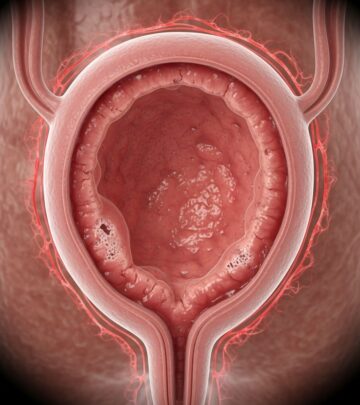
Cystitis, a common form of bladder inflammation, often arises from bacterial infections but can also result from noninfectious causes. Timely diagnosis and effective treatment are essential for symptom relief and prevention of complications. This article covers the essential steps in diagnosing cystitis, details available treatment options for both bacterial and nonbacterial types, and offers practical guidance for managing recurrent infections and promoting urinary health.
Diagnosis of Cystitis
Prompt diagnosis is crucial when symptoms of cystitis appear. Common symptoms may include a frequent urge to urinate, painful urination, pelvic discomfort, and cloudy or strong-smelling urine.
Diagnostic steps focus on identifying the cause of bladder inflammation and ruling out other conditions that can present similar symptoms.
- Urine analysis: The initial diagnostic test involves collecting a urine sample. Healthcare providers examine the urine for indicators such as bacteria, blood, or pus. If bacteria are identified, a urine culture may be recommended to determine the specific type causing the infection and to guide antibiotic selection.
Why it matters: A urine culture allows tailored antibiotic therapy, improving treatment outcomes. - Imaging studies: While not routinely necessary for all cases of cystitis, imaging tests such as X-rays or ultrasound can be valuable in complex cases. Imaging helps detect other potential causes of bladder inflammation, like tumors or anatomical abnormalities.
Indications: Imaging is considered if symptoms persist or if an underlying structural issue is suspected.
When to Seek Further Evaluation
If cystitis symptoms recur frequently or fail to resolve with initial treatment, referral to a specialist such as a urologist or nephrologist may be necessary for comprehensive evaluation and management.
Treatment Approaches for Cystitis
Treatment is guided by the underlying cause of cystitis, with bacterial infections managed differently from noninfectious forms.
Treating Bacterial Cystitis
- Antibiotic therapy: Antibiotics are the cornerstone for treating cystitis caused by bacterial infections. The choice and duration of antibiotic therapy depend on factors such as the severity of the infection, patient’s general health, and antibiotic susceptibility of the bacteria identified.
Typical regimen: Most patients take antibiotics for 3–7 days. Symptoms frequently improve within the first days of therapy, but completing the full course is critical to ensure eradication of the infection and to prevent resistance. - Recurrent infections: For individuals who experience repeat episodes of cystitis, prolonged antibiotic courses or postcoital prophylaxis (single-dose antibiotics after sexual activity) may be considered. A thorough assessment by a specialist helps identify underlying causes for recurring infections.
- Hospital-acquired infections: Bladder infections contracted in healthcare settings may be more challenging to treat due to antibiotic-resistant bacteria. Alternative treatment regimens and close medical supervision are often needed.
Special Considerations for Postmenopausal Women
- Vaginal estrogen therapy: Postmenopausal women face a higher risk of cystitis due to hormonal changes. If suitable, healthcare providers may prescribe topical vaginal estrogen cream to decrease cystitis incidence. This therapy is recommended only if the patient can safely tolerate it without increased health risks.
Treating Noninfectious Cystitis
For cystitis not caused by bacteria (e.g., chemical, radiation, or interstitial cystitis), management centers on symptom control and addressing the underlying cause.
- Medications: Nonbacterial cystitis may be managed with pain relievers, anti-inflammatory drugs, or medications delivered directly to the bladder via catheter.
Examples: Nonsteroidal anti-inflammatory drugs (NSAIDs) and other oral medications can relieve bladder discomfort. - Nerve stimulation therapy: In cases of chronic pelvic pain, certain procedures that apply mild electrical stimulation to the nerves may help relieve symptoms and reduce urinary frequency.
Prevention and Self-Care Strategies
Preventing cystitis and managing its recurrence involves a combination of medical and lifestyle approaches.
- Hydration: Drinking plenty of water helps dilute urine, flush bacteria, and promote bladder health.
Tip: Aim to urinate more frequently to expel potential pathogens. - Proper hygiene: Wipe from front to back after using the toilet, and avoid irritants in soaps or feminine hygiene products. Maintaining good personal hygiene reduces risk of infection.
- Urinate after sexual activity: Passing urine soon after sexual intercourse can help eliminate bacteria that may have entered the urinary tract.[10]
- Avoid bladder irritants: Limit caffeine, alcohol, spicy foods, and artificial sweeteners, which can irritate the bladder lining.
Understanding Recurrent Cystitis
Experiencing cystitis more than twice in six months or three times in a year is classified as recurrent. This warrants further investigation to identify potential anatomical or lifestyle factors. Interventions include:
- Long-term, low-dose antibiotics for prevention.
- Prophylactic single-dose antibiotics after certain activities, like sexual intercourse.
- Specialist referral to check for underlying urologic concerns.
When to Consult Your Healthcare Provider
Early medical intervention helps prevent complications such as kidney infection (pyelonephritis) or chronic bladder issues.
| Symptom/Scenario | Recommended Action |
|---|---|
| Severe pain, fever, or blood in urine | Seek immediate medical attention |
| Frequent or persistent urinary symptoms | Consult your provider for evaluation |
| No improvement after antibiotics | Return for further diagnostic tests |
| Multiple infections annually | Discuss with a urologist or nephrologist |
Managing Hospital-Acquired Infections
Cystitis that develops during a hospital stay is challenging due to antibiotic-resistant bacteria. Specialized antibiotics and additional infection control measures are often necessary. Prompt diagnosis and tailored treatment are crucial to prevent complications.
Special Populations
- Pediatric patients: Children presenting with cystitis require specialized evaluation to rule out anatomical issues or inherited predispositions.
- Immunocompromised individuals: Patients with weakened immune systems may need more aggressive treatment and ongoing surveillance.
Frequently Asked Questions (FAQs)
Q: What are the most common symptoms of cystitis?
A: Symptoms include a frequent urge to urinate, pain or burning during urination, pelvic discomfort, cloudy or strong-smelling urine, and occasionally blood in the urine.
Q: Can cystitis go away without treatment?
A: Mild cases may occasionally resolve spontaneously, but untreated bacterial cystitis can progress to kidney infection. Prompt antibiotic treatment is recommended for bacterial forms.
Q: What if I get cystitis multiple times a year?
A: Recurrent cystitis requires further evaluation by a healthcare provider to identify underlying causes. Preventive antibiotics or lifestyle changes may be suggested to reduce recurrence.
Q: Is cystitis the same as a urinary tract infection (UTI)?
A: Cystitis is a type of UTI specifically affecting the bladder. Other UTIs may involve the urethra or kidneys. Management and symptoms are similar, but location and treatment may differ.
Q: How is cystitis different in postmenopausal women?
A: Hormonal changes can increase susceptibility. Vaginal estrogen cream may be prescribed for those who can safely use it, reducing recurrence rates.
Tips for Maximizing Recovery and Preventing Future Infections
- Complete prescribed antibiotics, even if symptoms subside early.
- Monitor for signs of complications or recurrence.
- Discuss preventive strategies with your healthcare provider if you’re prone to frequent infections.
- Maintain regular follow-up if you belong to a high-risk group (e.g., postmenopausal women, immunocompromised individuals).
- Practice proper hydration and hygiene daily.
Important Takeaways
Cystitis is highly treatable when diagnosed early. Most cases involving bacteria respond well to antibiotics; completing the full course is critical. For noninfectious cystitis, management focuses on symptom relief and avoiding triggers. Prevention relies on self-care, healthy habits, and medical interventions when necessary. If symptoms persist, recur, or become severe, seek medical attention for comprehensive evaluation and management.
References
- https://www.mayoclinic.org/diseases-conditions/cystitis/diagnosis-treatment/drc-20371311
- https://www.mayoclinic.org/diseases-conditions/interstitial-cystitis/diagnosis-treatment/drc-20354362
- https://www.mayoclinic.org/diseases-conditions/urinary-tract-infection/diagnosis-treatment/drc-20353453
- https://www.kuh.ku.edu.tr/mayo-clinic-care-network/mayo-clinic-health-information-library/diseases-conditions/cystitis
- https://www.mayoclinic.org/diseases-conditions/cystitis/symptoms-causes/syc-20371306
- https://www.mayoclinic.org/diseases-conditions/interstitial-cystitis/symptoms-causes/syc-20354357
- https://my.clevelandclinic.org/health/diseases/24450-acute-cystitis
- https://www.youtube.com/watch?v=pvQIRnsvN6w
- https://newsnetwork.mayoclinic.org/discussion/mayo-clinic-q-and-a-how-to-treat-painful-bladder-syndrome/
- https://www.betterhealth.vic.gov.au/health/conditionsandtreatments/cystitis
Similar Articles




Read full bio of medha deb


