
Cortisone Shots: Benefits, Risks, and What to Expect
Understand how cortisone injections relieve pain, their risks, side effects, and tips for safe use in joint and tissue health.

Cortisone shots, also known as corticosteroid injections, are a common treatment to relieve pain, swelling, and inflammation in specific parts of the body—most often the joints. Used for decades in medicine, cortisone injections can provide significant relief from symptoms associated with disorders such as arthritis, bursitis, and tendinitis. However, like all medical interventions, they come with both benefits and risks. This comprehensive guide delivers essential information about cortisone shots, including the conditions they treat, how the procedure is performed, expected results, side effects, and safety considerations.
Overview
Cortisone shots are injectable medications containing a corticosteroid (to reduce inflammation over time) and a local anesthetic (to deliver immediate pain relief). These injections are typically administered directly into or near an inflamed area, usually in a doctor’s office setting.
- Common injection sites include large joints such as the ankle, elbow, hip, knee, shoulder, spine, or wrist.
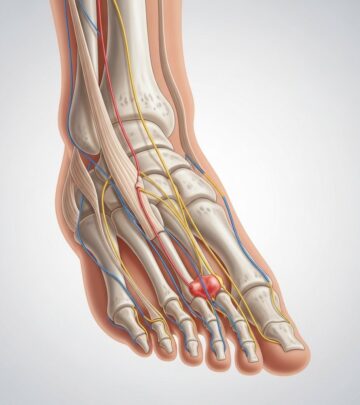
- Small joints, such as those in the hands or feet, can also be treated with cortisone shots if affected by pain or inflammation.
- The number of cortisone shots a patient can safely receive each year is limited to reduce potential side effects and risks.
Why Cortisone Shots Are Given
Cortisone shots are most often used to manage conditions that cause inflammation, especially in or around the joints. They are considered especially effective in controlling symptoms of inflammatory arthritis and several other conditions.
Common Conditions Treated with Cortisone Shots
- Rheumatoid arthritis: An autoimmune disease causing chronic inflammation in the joints.
- Osteoarthritis: Degeneration of joint cartilage and underlying bone, resulting in pain and stiffness.
- Psoriatic arthritis: Arthritis associated with the skin condition psoriasis.
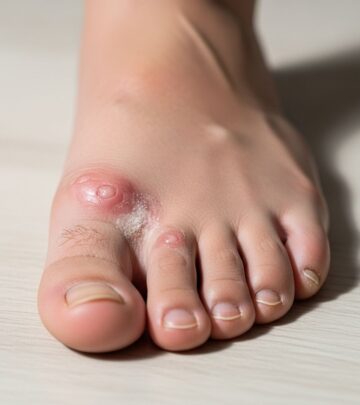
- Gout: Sudden and severe episodes of joint pain, frequently in the big toe.
- Back pain: Especially pain caused by inflammation around the spinal joints or nerve roots.
- Bursitis: Inflammation of the small, fluid-filled sacs (bursae) that cushion joints.
- Tendinitis: Inflammation of the thick fibrous cords (tendons) attaching muscle to bone.
Cortisone shots may also be considered for other localized inflammatory conditions upon your healthcare provider’s recommendation.
How Cortisone Shots Work
Cortisone is a potent anti-inflammatory medication derived from a class of drugs known as corticosteroids, which mimic natural hormones produced by the adrenal glands. When injected directly into an area of inflammation, cortisone works by:
- Suppressing the body’s immune response in the targeted area.
- Reducing the release of substances that cause inflammation.
- Relieving pain by decreasing swelling and irritation of tissues.
This dual-action — reducing both immune activity and local inflammation — results in symptom relief ranging from a few weeks to several months for many patients.
The Cortisone Shot Procedure
Receiving a cortisone injection is typically an outpatient procedure performed at a physician’s office. Here’s what patients can generally expect during the process:
- Preparation: The area around the injection site is cleaned with an antiseptic solution. In certain cases, an anesthetic spray is used to numb the skin surface.
- Imaging Guidance: To ensure accurate placement (especially for deeper joints), doctors may use ultrasound or fluoroscopy (a kind of X-ray) during the injection.
- Injection: A thin needle is inserted directly into the affected area. The doctor will inject a specified solution that typically contains:
- A corticosteroid medication for inflammation relief
- A local anesthetic for immediate pain relief
- Post-Procedure Observation: Brief monitoring follows the injection, especially for new patients or those on blood thinners.
Most patients can leave the office shortly after the procedure and resume regular activities as advised by their provider.
Results: What to Expect After a Cortisone Shot
The outcomes of cortisone shots depend on the condition being treated, the degree of inflammation present, and individual patient factors. Here’s what most patients experience:
- Short-term Flare: A temporary increase in pain, swelling, or irritation (often called a “cortisone flare”) may occur within the first 24–48 hours after the injection. This usually resolves on its own.
- Pain Relief: Once the flare subsides, significant reduction in pain and inflammation becomes apparent. This relief can last from several weeks to several months for most conditions.
- Variable Results: The duration and degree of symptom relief depend on joint location, underlying condition, and overall health. Some patients may experience only brief relief; others remain symptom-free for months.
Risks and Side Effects of Cortisone Injections
Cortisone shots offer effective symptom relief but carry potential side effects, particularly with higher doses or frequent use. Common and less-common risks include:
- Pain and Swelling: Short-lived irritation at the injection site (the cortisone flare).
- Skin Changes: Thinning or lightening of the skin at the injection site.
- Cartilage and Bone Damage: Recurring injections may thin the joint cartilage or nearby bones over time.
- Tendon Weakness or Rupture: Repetitive injections may weaken tendons or contribute to rupture.
- Nerve Injury: Rare but possible if a nerve is injured during the injection.
- Joint Infection: Although very rare, infection in the joint (septic arthritis) can occur.
- Temporary Blood Sugar Rise: Particularly relevant for individuals with diabetes.
- Facial Flushing: A brief redness or warm feeling in the face or chest.
The risk of side effects increases with the frequency and total number of cortisone injections received. Most guidelines recommend no more than three to four injections per joint, per year, and at least six weeks between shots in the same joint or area.
Precautions Before Receiving a Cortisone Shot
Certain health conditions, medications, or supplements may require special consideration before a cortisone injection can be safely administered:
- If you take blood thinners, your doctor may advise you to pause them temporarily before the injection to minimize bleeding risk.
- Some dietary supplements can also increase bleeding risk—ask your healthcare provider for specific guidance.
- Notify your provider of any allergies, current infections, or ongoing illnesses.
Your healthcare team will provide detailed pre-injection instructions suited to your personal health needs.
Frequency and Limitations of Cortisone Shots
To balance benefits and prevent complications, providers limit the frequency of cortisone injections:
- Maximum frequency: Not administered more often than once every six weeks to an individual joint or area.
- Annual limit: Typically no more than three or four shots per joint, per year, to avoid long-term tissue damage.
- Chronic or repeated injections may contribute to cartilage breakdown and permanent joint damage over time.
The exact frequency may depend on joint size, the underlying condition, and recommendations from your healthcare provider.
Alternatives and Complementary Treatments
Cortisone shots are just one part of a wider management plan for joint or soft-tissue disorders. Providers often combine or suggest alternatives to support long-term outcomes:
- Physical Therapy: Exercise and rehab programs to maintain mobility and strength.
- Medications: Oral nonsteroidal anti-inflammatory drugs (NSAIDs), disease-modifying antirheumatic drugs (DMARDs), or other injectables.
- Lifestyle Changes: Weight management, activity modifications, ergonomic support.
- Other Injections: Hyaluronic acid or platelet-rich plasma (PRP) in select situations.
A personalized approach is essential; discuss options with your healthcare provider to determine the best plan for your specific needs.
History of Cortisone in Medicine
Cortisone was discovered in the 1940s by Mayo Clinic researchers Edward Kendall, Ph.D., and Philip Hench, M.D. It rapidly transformed treatment for inflammatory joint conditions. The duo were awarded the Nobel Prize in Medicine in 1950 for this groundbreaking advancement in the therapy of rheumatoid arthritis, exemplifying cortisone’s impact on modern medicine.
Table: Pros and Cons of Cortisone Shots
| Benefit | Consideration/Risk |
|---|---|
| Significant and rapid pain relief | Temporary pain flare at injection site |
| Reduces swelling and inflammation | Limited duration of benefit—weeks to months |
| Enables participation in physical therapy | May accelerate cartilage breakdown if repeated |
| Localized treatment, minimal systemic effects | Potential for rare, serious complications (infection, nerve/tendon damage) |
| No need for hospital admission—office procedure | Annual and site-specific frequency limits |
Frequently Asked Questions (FAQs)
Q: Are cortisone shots painful?
A: Most patients describe only mild discomfort, similar to a flu shot. Anesthetic is often included to ease the process. Some people experience a temporary pain flare at the injected site for a day or two after the procedure.
Q: How long will relief from a cortisone shot last?
A: Relief duration varies by individual and condition but often lasts from several weeks to several months. Some people notice improvement for even longer, while others may have only temporary benefit.
Q: How many cortisone shots can I safely receive?
A: Guidelines typically recommend no more than three to four injections per joint per year, with at least six weeks between treatments in the same area, to minimize risk of cartilage or tissue damage.
Q: Who should avoid cortisone shots?
A: Individuals with infections, certain bleeding disorders, severe allergies to components of the injection, or on strong blood thinners may need to avoid cortisone shots or adjust their treatment plan under medical supervision.
Q: Can cortisone shots treat all types of pain?
A: Cortisone shots are most effective for pain caused by inflammation. They are not typically used for nerve-related pain, widespread muscle pain, or pain without a clear inflammatory component.
Key Takeaways
- Cortisone shots can offer meaningful relief for joint and tissue inflammation—but should be used judiciously and as part of a broader treatment plan.
- Possible side effects include temporary pain flare, skin changes, risk of infection, and tissue damage with repeated use.
- Consult closely with your provider to determine the optimal frequency and ensure safe, effective outcomes for your individual needs.
References
- https://www.mayoclinic.org/tests-procedures/cortisone-shots/about/pac-20384794
- https://newsnetwork.mayoclinic.org/discussion/mayo-clinic-minute-benefits-and-risks-of-corticosteroid-shots/
- https://www.mayoclinic.org/tests-procedures/cortisone-shots/doctors-departments/pdc-20384795
- https://www.mayoclinic.org/tests-procedures/cortisone-shots/in-depth/steroids/art-20045692
- https://newsnetwork.mayoclinic.org/discussion/mayo-clinic-q-and-a-treating-osteoarthritis-with-corticosteroid-injections/
- https://www.youtube.com/watch?v=tYwUHex9HSc
- https://www.kuh.ku.edu.tr/mayo-clinic-care-network/mayo-clinic-health-information-library/test-procedure/cortisone-shots
- https://newsnetwork.mayoclinic.org/discussion/repeat-cortisone-injections-not-uncommon-in-patients-with-chronic-inflammatory-condition/
Similar Articles





Read full bio of Sneha Tete


