
Broken Wrist: Diagnosis and Treatment Overview
Comprehensive guide to broken wrist diagnosis, treatment approaches, recovery tips, and preparing for medical appointments.
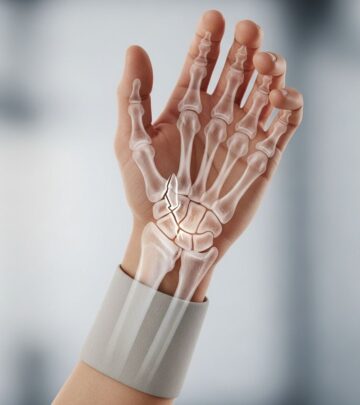
Broken Wrist: Diagnosis and Treatment
A broken wrist, also known as a wrist fracture, is a common injury that affects the bones of the wrist, often resulting from falls or trauma. Timely and accurate diagnosis, coupled with effective treatment strategies, are crucial for optimal healing and recovery. This article provides an in-depth overview of the processes, approaches, and tips related to diagnosing and treating a broken wrist.
Diagnosis
The diagnostic process for a broken wrist typically starts with a thorough physical examination and basic imaging. Prompt assessment helps healthcare professionals determine the extent of the fracture and guide appropriate management.
Physical Examination
The doctor will examine the affected hand for:
- Visible deformity
- Swelling
- Tenderness over the wrist and hand
- Reduced mobility in fingers and wrist
- Grip and forearm strength assessment
Details about how the injury occurred and personal medical history often assist in the diagnosis and treatment decision-making.
Imaging Tests
Imaging studies are critical to confirm, characterize, and locate wrist fractures:
- X-ray: The first-line imaging study, X-rays can reveal the presence, location, and pattern of the fracture. Most wrist fractures are visible on X-ray images, allowing for accurate diagnosis and treatment planning.
- CT scan: Useful when X-rays are inconclusive, CT scans provide cross-sectional images and superior detail, allowing physicians to detect subtle fractures and assess soft tissue injuries, especially when complications such as bone fragments or ligament involvement are suspected.
- MRI: MRIs offer highly detailed images of both bones and soft tissues. They are especially useful for identifying very small fractures or ligament injuries that could influence treatment decisions.
Depending on the case, additional studies such as ultrasound or, rarely, arthroscopy may be used for further evaluation of associated injuries.
Treatment
Treatment strategies for a broken wrist depend on the fracture’s severity, alignment, and associated tissue damage. Goals include realigning the bones, immobilizing the wrist, managing pain, preventing complications, and promoting healing.
Reduction (Realignment)
If the broken ends of bone are not aligned properly, the doctor may need to perform a reduction. This procedure manipulates bone fragments into their proper position. Depending on pain and swelling, local or general anesthetic may be used to ensure comfort during reduction.
Immobilization
Restricting movement is critical to allow proper healing. Physicians commonly use splints or casts to immobilize the wrist. Patients are typically instructed to keep the hand above the level of the heart when possible to minimize swelling and improve healing.
Tips for successful immobilization:
- Follow instructions regarding cast or splint care
- Keep hand elevated to reduce swelling
- Move fingers regularly (unless told otherwise) to prevent stiffness
Medications
Medication may be recommended to manage pain and reduce complications. Options include:
- Over-the-counter pain relievers: Such as acetaminophen or ibuprofen are commonly used.
- Opioids: For severe pain, short-term use of medications such as codeine may be required.
- NSAIDs: These can help with pain and inflammation but may risk slowing bone healing if used long-term. Consult your doctor before using them regularly.
- Antibiotics: For open fractures where bone breaks through the skin, to help prevent infection.
Monitoring and Follow-up
Doctors monitor healing closely, especially in complex fractures, by using repeat X-rays. If bones shift during healing, surgical intervention may be required.
Rehabilitation and Recovery
Once the cast or splint is removed, rehabilitation is crucial to regain wrist function. This process may include:
- Physical therapy or hand therapy to restore flexibility and strength
- Guided exercises to improve range of motion
- Gradual return to normal activities over several months
Full recovery may take several months or longer, depending on severity and patient factors.
Surgical Procedures
| Procedure | Description | Indications |
|---|---|---|
| Closed reduction and pinning | Realign the fracture and hold with temporary pins until healing | When bone fragments are well-aligned but require stabilization |
| External fixation | Metal frame outside the body immobilizes fracture with pins through skin | Severe or unstable fractures, open wounds, bone not suitable for casting |
| Open reduction and internal fixation (ORIF) | Surgical placement of pins, plates, rods, or screws | Complex fractures, bone fragments, ligament injuries, joint involvement |
| Bone grafting | Transplant bone to support healing | Large gaps, poor healing, repeated surgeries |
Surgery may be required if:
- Bone fragments move or cannot be aligned
- Loose bone fragments could enter a joint
- Damage to surrounding ligaments, nerves, or blood vessels
- Fractures extend into the joint
Tips for Healing and Recovery
- Follow your doctor’s recommendations regarding cast care and activity.
- Engage in prescribed finger and wrist exercises to prevent stiffness.
- Do not smoke, as smoking can inhibit bone healing.
- Attend follow-up appointments for X-rays and assessment.
- Be patient—recovery can take several months depending on complexity.
Preparing for Your Appointment
If you suspect a broken wrist, you may first visit an urgent care clinic or emergency room. In complex cases, referral to an orthopedic surgeon or hand specialist may be required.
How to Prepare
To make your appointment efficient and effective, consider bringing:
- A detailed description of your symptoms, how, where, and when you were injured
- Personal and family medical history
- List of all medications and supplements, including dosages
- Questions and concerns for your doctor
Questions to Ask Your Doctor
- What types of tests will I need?
- What is the recommended treatment approach?
- Will surgery be necessary?
- Do I need to wear a cast? For how long?
- What kind of physical therapy will I need after immobilization?
- Are there any lifestyle restrictions?
- Do I need to see a specialist?
What to Expect from Your Doctor
Your doctor may ask about:
- Your occupation and handedness
- The position of your wrist at the time of injury (bent backward or forward)
- Exact location and nature of the pain
- Previous wrist injuries or surgeries
Departments and Specialties Involved in Wrist Fracture Care
- Hand Surgery
- Orthopedic Surgery
- Physical Medicine and Rehabilitation
- Orthopedic Research for ongoing studies and clinical trials
Multidisciplinary teams ensure you receive optimal care from diagnosis through recovery.
Clinical Trials
Clinical trials offer access to new treatments, interventions, and tests that may benefit those with wrist fractures. Consider asking your doctor about ongoing studies or opportunities to participate in research.
Frequently Asked Questions (FAQs)
Q: How long does it take a broken wrist to heal?
A: Most wrist fractures heal within 6 to 8 weeks with proper immobilization. Full functional recovery may take longer depending on fracture complexity and individual factors.
Q: Will I need physical therapy after my wrist heals?
A: Physical therapy is commonly recommended once the cast or splint is removed to restore flexibility, mobility, and strength in the wrist and hand.
Q: Do all broken wrists require surgery?
A: Not all wrist fractures require surgery. Simple fractures are often treated with reduction and immobilization. Surgery is reserved for complex, unstable, or poorly aligned fractures.
Q: What are the risks if a broken wrist is left untreated?
A: Without treatment, a broken wrist may heal improperly, leading to chronic pain, stiffness, deformity, loss of function, and risk of arthritis.
Q: What can delay healing after a wrist fracture?
A: Factors such as smoking, poor nutrition, severe injury, or underlying medical conditions can prolong healing. NSAIDs used long-term may also slow bone recovery.
Key Takeaways
- Diagnosis relies on physical exam and imaging (X-ray, CT, MRI).
- Treatment may involve reduction, immobilization, medication, and occasionally surgery.
- Proper hand therapy and lifestyle modifications are important for successful recovery.
- Multidisciplinary care, including orthopedic and hand surgery specialists, ensures best outcomes.
- Preparing for your appointments improves efficiency and care quality.
If you suspect a broken wrist, timely assessment and adherence to treatment plans can lead to optimal recovery and long-term health.
References
- https://www.mayoclinic.org/diseases-conditions/broken-wrist/diagnosis-treatment/drc-20353175
- https://www.mayoclinic.org/diseases-conditions/broken-wrist/symptoms-causes/syc-20353169
- https://sportsmedicine.mayoclinic.org/condition/hand-wrist-fractures/
- https://sportsmedicine.mayoclinic.org/condition/hand-wrist-fractures/page/3
- https://www.mayoclinic.org/diseases-conditions/wrist-pain/diagnosis-treatment/drc-20366215
- https://www.youtube.com/watch?v=t3kiMyUeLP8
- https://www.mayoclinic.org/diseases-conditions/broken-wrist/doctors-departments/ddc-20353176
- https://www.mayoclinic.org/diseases-conditions/broken-hand/diagnosis-treatment/drc-20450277
- https://www.mayoclinichealthsystem.org/locations/menomonie/services-and-treatments/orthopedic-surgery/fracture
- https://college.mayo.edu/about/news/news-archive/taking-on-fractured-care-for-fractured-wrists-becoming-heros-for-patients/
Similar Articles





Read full bio of medha deb


