
Broken Ankle: Comprehensive Diagnosis and Treatment Guide
Learn about diagnostic procedures, therapy, surgery, and home care for broken ankles to ensure optimal recovery and mobility.
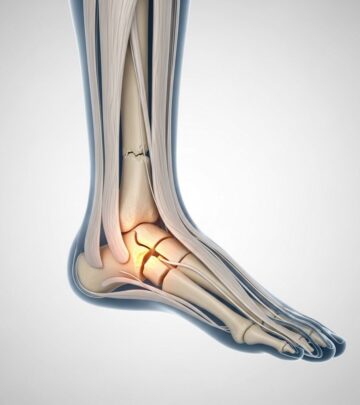
Broken Ankle: Diagnosis and Treatment
A broken ankle, also known as an ankle fracture, is a common injury that can result from falls, sports activities, or accidents. Accurate diagnosis and appropriate treatment are crucial to ensure proper healing, restore mobility, and prevent long-term complications. This guide explains how medical professionals diagnose a broken ankle, available treatment options, rehabilitation, and tips for home care.
Diagnosis
Successful treatment of a broken ankle begins with a comprehensive evaluation. Healthcare professionals utilize various methods and tests to assess the type, location, and severity of the fracture.
Physical Examination
- Visual Inspection: The ankle, foot, and lower leg are carefully examined for signs of swelling, deformity, bruising, or open wounds.
- Tenderness Assessment: Pressure is applied to different areas to identify points of maximum pain and confirm injury location.
- Range of Motion: The patient may be asked to move the foot and ankle to evaluate motion and possible instability.
- Walking Analysis: Observation of gait and ability to bear weight helps determine the extent of injury.
Imaging Tests
Imaging is essential for confirming an ankle fracture and planning appropriate treatment. One or more imaging studies may be recommended:
- X-rays: X-rays are the primary tool for diagnosing most ankle fractures. They reveal where bones are broken, whether the bones are displaced, and the number of fragments. Some stress fractures may not initially appear on X-rays until healing begins.
- Bone Scan: A small amount of radioactive material is injected into the bloodstream. Damaged bone absorbs the material and appears as bright spots on images, helping to detect fractures not apparent on X-rays, especially stress fractures.
- CT Scan (Computed Tomography): CT scans offer cross-sectional views of bones and surrounding tissues, providing more detailed images for complex fractures and joint injuries.
- MRI Scan (Magnetic Resonance Imaging): MRI leverages radio waves and magnetic fields to produce highly detailed images of bones, joints, and soft tissues such as ligaments and tendons. MRI is favored when X-rays and CT scans are inconclusive or when soft tissue injuries are suspected.
| Imaging Method | Purpose | Advantages | Limitations |
|---|---|---|---|
| X-ray | Identify most fractures, check alignment | Quick, widely available, inexpensive | May miss some stress fractures or soft tissue injuries |
| Bone Scan | Detect hidden or stress fractures | Sensitive for bone activity | Not specific; other bone problems may appear as bright spots |
| CT Scan | Visualize complex fractures and joints | Detailed images; multiple angles | Higher cost, exposure to more radiation |
| MRI | Assess soft tissue, subtle fractures | High resolution, no radiation | Expensive, less available, takes longer |
Questions to Ask Your Doctor
- What type of ankle fracture do I have?
- Will I require surgery or casting?
- How long is the expected recovery time?
- What can I do to manage pain and swelling?
- Are there any long-term risks or complications?
Treatment
The management of a broken ankle varies, depending on which bone is fractured, the severity and location, and patient-specific factors like age and activity level. Treatment options fall into several categories:
Medicines
- Pain Relief: Over-the-counter medications, such as acetaminophen (Tylenol, others), are recommended to alleviate pain.
- Prescription Analgesics: For severe pain, stronger prescription painkillers may be provided.
Therapy and Rehabilitation
- Physical Therapy: After the bone has healed, stiffness and weakness in the ankle are common. A physical therapist guides patients through exercises to restore range of motion, improve flexibility, and build muscle strength.
- Gradual Activity: Patients are encouraged to begin weight-bearing and walking under medical supervision to expedite recovery while avoiding reinjury.
Surgical and Non-Surgical Procedures
- Reduction: For fractures where bone ends are displaced (not aligned), the bones are repositioned manually or surgically. Anesthesia or sedation is often used for comfort during reduction.
- Immobilization: Most broken ankles require immobilization so that bones heal correctly. This is typically achieved with a hard cast or removable special boot, worn for 2 to 3 months. Movement is restricted to prevent stress on healing tissues.
- Surgical Intervention: Severe or unstable fractures may need surgery by an orthopedic surgeon. Surgical hardware—pins, plates, or screws—hold the bone fragments together for proper healing. These devices might be removed after recovery or earlier if they cause discomfort or complications.
Home Care Tips Before Medical Attention
- Rest: Avoid putting weight on the injured ankle.
- Ice: Apply ice packs for 15 to 20 minutes every 3 to 4 hours to decrease swelling. Protect skin by wrapping ice in a cloth.
- Elevation: Keep the ankle raised above heart level to limit swelling and discomfort.
- Pain Relief: Use over-the-counter medications as recommended.
Recovery and Rehabilitation
Proper rehabilitation is essential for full recovery and prevention of future complications. After immobilization:
- Begin Physical Therapy: Therapist-supervised exercises help restore full range of motion and build strength in muscles and ligaments weakened by inactivity.
- Gradual Return to Activity: Increase physical activity slowly, adhering to medical guidance regarding when to walk, run, or resume sports.
- Monitor for Complications: Watch for signs of infection (redness, warmth, drainage) or poor healing (persistent pain, inability to bear weight).
Frequently Asked Questions (FAQs)
How long does it take to recover from a broken ankle?
Recovery typically takes 2 to 3 months for simple fractures treated with immobilization. Severe fractures requiring surgery may extend recovery time. Return to full function can take several additional months, depending on individual circumstances.
When is surgery needed for a broken ankle?
Surgery is recommended if bones are significantly displaced, unstable, or if the fracture involves joint surfaces or multiple fragments. An orthopedic surgeon will determine the best approach based on fracture type and overall health.
What are the risks of not treating a broken ankle properly?
Improper healing can lead to chronic pain, instability, arthritis, or permanent loss of mobility. Timely and appropriate treatment minimizes these risks.
Are broken ankles more common in certain populations?
People who play high-impact sports, older adults (due to lower bone density), and those with previous ankle injuries are at higher risk.
Can I walk with a broken ankle?
Typically, medical professionals advise against weight-bearing activities until the bone begins to heal and the immobilizing device is removed. Early walking may be permitted with stable, minor fractures or under supervision after rehabilitation has started.
Prevention and Long-Term Care
- Wear Proper Footwear: Shoes that support the ankle can help prevent injury, especially during sports.
- Strengthen Muscles: Regular exercises focusing on balance and strength reduce the risk of falls and fractures.
- Avoid High-Risk Activities: Use caution during activities with a higher risk of falls or collisions.
- Bone Health: Maintain adequate intake of calcium and vitamin D, and address underlying bone density concerns with your healthcare provider.
When to Seek Immediate Medical Attention
- Visible deformity or inability to move the ankle
- Severe pain and inability to bear weight
- Open wounds or bone protruding through the skin
- Signs of infection including redness, warmth, swelling, or pus
Outlook
With accurate diagnosis, careful treatment, and diligent rehabilitation, most individuals recover from ankle fractures without significant long-term disability. Collaboration with orthopedic surgeons, physical therapists, and primary care providers ensures optimal results.
Further Resources
- Bone scan
- CT scan
- MRI
- X-ray
Related Questions
Q: What should I do if I suspect my ankle is broken but cannot reach a doctor immediately?
A: Rest, elevate, and apply ice to the ankle. Avoid putting weight on it. Take over-the-counter pain medications. Seek medical attention as soon as possible.
Q: Is physiotherapy always needed after a broken ankle?
A: Physical therapy is strongly recommended to restore function and prevent long-term stiffness, regardless of whether the injury was managed surgically or non-surgically.
Q: Will hardware used in surgery always be removed later?
A: Hardware such as pins, plates, or screws may remain permanently if there are no issues. Removal is considered if they cause pain or protrude through the skin.
Q: What are common complications after a broken ankle?
A: Potential complications include infection, blood vessel injury, nerve damage, poor healing, chronic instability, and early-onset arthritis in severe cases.
References
- https://www.mayoclinic.org/diseases-conditions/broken-ankle/diagnosis-treatment/drc-20450038
- https://orthoinfo.aaos.org/en/diseases–conditions/ankle-fractures-broken-ankle/
- https://www.mayoclinichealthsystem.org/locations/new-prague/services-and-treatments/orthopedic-surgery/foot
- https://www.kuh.ku.edu.tr/mayo-clinic-care-network/mayo-clinic-health-information-library/diseases-conditions/broken-ankle
- https://www.mayoclinic.org/diseases-conditions/broken-ankle/symptoms-causes/syc-20450025
- https://www.mayoclinic.org/diseases-conditions/broken-foot/diagnosis-treatment/drc-20355498
- https://www.mayoclinic.org/diseases-conditions/broken-leg/diagnosis-treatment/drc-20370416
- https://www.mayoclinic.org/diseases-conditions/broken-ankle/expert-answers/avulsion-fracture/faq-20058520
- https://www.mayoclinichealthsystem.org/hometown-health/speaking-of-health/ankle-instability-causes-and-fixes
- https://my.clevelandclinic.org/health/diseases/21644-broken-ankle
Similar Articles






Read full bio of Sneha Tete


