
Brain Aneurysm: Diagnosis, Treatment Options, and Recovery Strategies
Comprehensive overview of diagnosing and treating brain aneurysms, from cutting-edge imaging to advanced surgical and endovascular therapies.
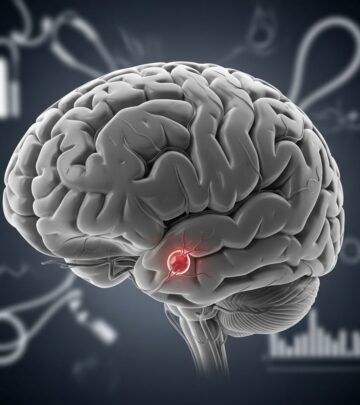
Brain Aneurysm Diagnosis and Treatment
A brain aneurysm, sometimes referred to as a cerebral aneurysm, is a bulge in a blood vessel in the brain that can rupture, leading to severe and life-threatening consequences. Timely and accurate diagnosis combined with appropriate treatment is crucial to improve patient outcomes and reduce the risk of complications.
Diagnosis
Diagnosing a brain aneurysm involves several specialized tests and procedures that allow healthcare professionals to detect ruptured or unruptured aneurysms and determine their characteristics.
- CT Scan: This specialized X-ray is frequently the first imaging test performed to assess bleeding in the brain or another stroke type. It produces two-dimensional slices of the brain and can help identify the presence of blood due to a ruptured aneurysm.
- CT Angiography: With the injection of a dye into a vein, this test creates detailed images of arteries that supply blood to the brain, aiding in the detection of an aneurysm and assessing its size and location.
- Lumbar Puncture (Spinal Tap): If a CT scan does not reveal bleeding but symptoms suggest a ruptured aneurysm, a lumbar puncture can check for red blood cells in the cerebrospinal fluid. This confirms bleeding and helps to make a definitive diagnosis.
- MRI and Magnetic Resonance Angiography (MRA): MRI uses magnetic fields and radio waves to produce detailed brain images, identifying bleeding and aneurysm characteristics. MRA is a specialized form that visualizes arteries in detail and determines the size, shape, and precise location of the aneurysm.
- Cerebral Angiogram: During this procedure, a catheter is threaded through an artery, usually in the groin or wrist, to the brain. A special dye is injected, and X-rays track the dye’s path, revealing detailed images of cerebral arteries and aneurysms.
These tests help healthcare professionals confirm the presence, size, location, and risk profile of brain aneurysms, informing treatment decisions.
Factors Considered Before Treatment
- Size, location, and appearance of the aneurysm
- Patient’s age and overall health
- Family history of aneurysm rupture
- Congenital conditions that increase rupture risk
This individualized approach ensures that recommended interventions balance the relative risks and benefits for each patient.
Treatment
Effective management of a brain aneurysm relies on both surgical and minimally invasive techniques, chosen based on aneurysm size, location, rupture status, and patient-specific factors.
Surgical Options
Two primary procedures are used to repair a ruptured or, in carefully selected cases, unruptured aneurysm:
- Surgical Clipping: This open surgery involves removing a section of the skull, exposing the affected artery, and placing a tiny metal clip on the neck of the aneurysm. The clip blocks blood flow into the aneurysm, preventing future ruptures.
- Endovascular Coiling: Using a catheter threaded into the cerebral arteries, a neurosurgeon places tiny coils inside the aneurysm. These coils induce clotting, sealing the aneurysm from the inside and preventing further bleeding.
- Stenting and Flow Diversion: For certain large or complex aneurysms, a stent or a flow diverter device may be used to redirect blood flow away from the aneurysm, allowing it to heal and reducing the risk of rupture.
The choice between these options depends on the aneurysm’s specific features and the patient’s clinical context. Open surgery (clipping) tends to be more invasive but is highly effective for accessible aneurysms with long-term closure rates. Endovascular procedures are less invasive and better suited for deep or fragile aneurysms but may require ongoing monitoring for recurrence.
Other Treatments and Supportive Care
- Medications: These may be used to relieve neurological symptoms, prevent vasospasm (dangerous vessel constriction), and manage pain. Calcium channel blockers, anticonvulsants, and stool softeners may be prescribed depending on symptoms and complications.
- Rehabilitation: Recovery from both ruptured and unruptured aneurysm repair often requires physical, occupational, and speech therapy to address neurological deficits resulting from the aneurysm itself or its treatment.
For some unruptured aneurysms, observation and regular follow-up imaging may be recommended if treatment risk exceeds rupture risk.
Recovery from Treatment
- Surgical Clipping: Patients typically spend a day or two in the hospital after clipping for unruptured aneurysms. If the aneurysm was ruptured, hospitalization may be significantly longer, and recovery takes approximately 4 to 6 weeks.
- Endovascular Coiling: Hospital stay and recovery times are generally shorter compared to open surgery, but ongoing follow-up imaging is essential to ensure continued protection against rebleeding.
Most individuals experience a good recovery when treated before rupture. Outcomes following rupture and emergency treatment depend largely on the extent of bleed and swift access to care.
Mayo Clinic Approach to Brain Aneurysm Care
The Mayo Clinic is nationally recognized for expertise in neurology and neurosurgery, providing comprehensive care for brain aneurysm patients through a multidisciplinary team approach.
Multidisciplinary Care Team
- Neurologists, neurosurgeons, and neuroradiologists work together to provide rapid diagnosis, individualized treatment, and post-treatment recovery planning.
- Team-based collaboration ensures efficient coordination and swift development of treatment plans.
Advanced Tests and Diagnostic Imaging
- Access to cutting-edge imaging, including 7-tesla MRI, computerized tomography angiography, MR angiography, and cerebral arteriography, enables detailed assessment of aneurysm anatomy and risk of rupture.
Innovative Treatment Expertise
- Mayo Clinic surgeons are skilled in both endovascular and open surgical repair.
- Techniques such as coiling, stenting, and flow diversion provide options for aneurysms of varying sizes and complexities.
- Individualized treatment plans consider unique patient features and preferences.
Commitment to Research
- Mayo Clinic conducts ongoing research into the causes, diagnostic strategies, and treatment outcomes for brain aneurysms and related cerebrovascular conditions.
- Participation in clinical trials allows access to the latest therapies and evidence-based care.
National Recognition
Mayo Clinic’s neurology and neurosurgery departments are nationally ranked, with extensive experience treating thousands of patients annually.
Frequently Asked Questions (FAQs)
Q: What is the main difference between surgical clipping and endovascular coiling?
A: Surgical clipping requires open brain surgery to place a clip on the aneurysm’s neck, while endovascular coiling involves threading a catheter from an artery and placing coils inside the aneurysm without opening the skull. Both prevent blood flow into the aneurysm but differ in invasiveness and recovery time.
Q: When is observation preferred over treatment for an unruptured aneurysm?
A: Observation is recommended when the risk of rupture is lower than the potential risks of treatment, based on aneurysm size, location, patient age, and overall health.
Q: How long is recovery after brain aneurysm surgery?
A: Recovery after surgical clipping usually spans 4 to 6 weeks for unruptured aneurysms; hospital stays are longer when surgery follows a rupture. Endovascular coiling typically allows for faster recovery and shorter hospitalization.
Q: What are common symptoms indicating a possible ruptured aneurysm?
A: Sudden, severe headache described as the worst ever, nausea, vomiting, stiff neck, loss of consciousness, and neurological deficits may indicate rupture. Immediate medical attention is critical.
Q: Are Mayo Clinic specialists involved in research or clinical trials for brain aneurysms?
A: Yes, Mayo Clinic specialists actively research diagnostic methods, potential causes, risk factors, and novel treatments for brain aneurysms. They also participate in and conduct clinical trials to advance the field.
Summary Table: Diagnostic Tests vs. Treatments
| Test/Procedure | Purpose | Type | Common Uses |
|---|---|---|---|
| CT Scan | Detects bleeding or aneurysm presence in the brain | Imaging | First step in diagnosis of potential rupture |
| MRI / MRA | Visualizes brain and arteries for size, location, and rupture | Imaging | Detailed assessment of aneurysm characteristics |
| CT Angiogram | Assesses cerebral blood flow and aneurysm anatomy | Imaging | Pre-treatment planning and risk evaluation |
| Lumbar Puncture | Confirms bleeding via cerebrospinal fluid analysis | Laboratory/Diagnostic | When imaging is inconclusive but symptoms persist |
| Cerebral Angiography | Detailed mapping of cerebral arteries and aneurysms | Imaging/Interventional | Definitive diagnosis when other tests are inconclusive |
| Surgical Clipping | Prevents rupture by closing aneurysm neck | Surgical | Treats ruptured or select unruptured aneurysms |
| Endovascular Coiling | Seals aneurysm from inside with coils | Minimally Invasive | Treats ruptured or deep aneurysms |
| Stenting / Flow Diversion | Redirects blood flow to exclude aneurysm | Minimally Invasive | Large or complex aneurysms |
Related Resources
- Specialist consultation in neurology and neurosurgery
- Access to advanced diagnostics such as 7-tesla MRI and angiography
- Innovative research and clinical trials at leading medical centers
References
- https://www.mayoclinic.org/diseases-conditions/brain-aneurysm/care-at-mayo-clinic/mac-20361689
- https://www.mayoclinic.org/diseases-conditions/aneurysms/care-at-mayo-clinic/mac-20354636
- https://medprofvideos.mayoclinic.org/videos/brain-aneurysms-neurovascular-disease-explained
- https://www.mayoclinic.org/diseases-conditions/brain-aneurysm/diagnosis-treatment/drc-20361595
- https://www.mayoclinic.org/diseases-conditions/brain-aneurysm/symptoms-causes/syc-20361483
- https://www.youtube.com/watch?v=sPOOXXc3G54
- https://medprofvideos.mayoclinic.org/videos/brain-aneurysms-diagnostic-and-treatment-advances
- https://medprofvideos.mayoclinic.org/videos/flow-diversion-for-intracranial-aneurysms
- https://medprofvideos.mayoclinic.org/videos/brain-aneurysm-treatment
Similar Articles





Read full bio of Sneha Tete


