
Blood Clots: Causes, Risks, and What You Need to Know
Understand what causes blood clots, the major risk factors, common associated conditions, and when to seek medical care.
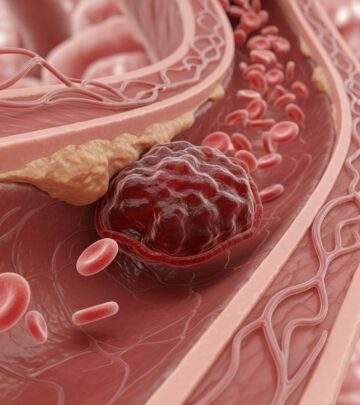
Blood clots are a crucial part of the body’s natural defense mechanism, helping to prevent excessive blood loss when you’re injured. However, sometimes clots form where they shouldn’t, obstructing the flow of blood and posing serious health risks. This article discusses in detail what causes blood clots, health conditions associated with their formation, contributing risk factors, and guidance on when it is critical to seek medical attention.
What Are Blood Clots?
Blood clots are gel-like clumps formed when substances in the blood thicken and cluster together. These clots typically arise in response to tissue injury, such as a cut, effectively sealing the wound to stop bleeding. However, they may also occur inside blood vessels with no visible injury, which can have hazardous consequences if they block blood flow to vital parts of the body.
How Blood Clots Form
When damage occurs to the interior lining of a blood vessel, platelets (a type of blood cell) and proteins in your plasma quickly respond to thicken and stick together, forming a solid mass. This semisolid plug protects the body by stopping bleeding. However, clots that form within blood vessels without an external cause can travel to other areas, such as the lungs or brain, and become life-threatening.[10]
What Causes Blood Clots?
There are a wide variety of factors and health conditions that can trigger or contribute to the formation of blood clots. Some clots develop as a direct result of an injury to a blood vessel, while others may form because the blood becomes unusually sticky or thick, often under the influence of underlying medical issues or risk factors. Below are the most common causes and associated conditions:[10]
- Antiphospholipid Syndrome: An autoimmune disorder where the immune system attacks normal proteins in the blood, leading to abnormal clotting.
- Arteriosclerosis / Atherosclerosis: The hardening or narrowing of the arteries due to the buildup of plaque (cholesterol and fats), which can damage vessel walls and prompt clotting.
- Cancer: Some types of cancer and cancer treatments can increase the likelihood of clot development.
- Certain Medications: Oral contraceptives and hormone replacement therapy drugs can increase the risk by making blood more prone to clotting.
- COVID-19: The coronavirus can induce inflammation and increase clotting risk, even in people with mild cases.
- Deep Vein Thrombosis (DVT): Formation of a clot in a deep vein, generally in the leg, due to slow blood flow, injury, or certain health conditions.
- Factor V Leiden: A genetic mutation that affects blood clotting, increasing risk of abnormal clots.
- Family History: Close relatives with a history of blood clots can indicate a greater genetic predisposition.
- Heart Arrhythmias: Irregular heartbeats such as atrial fibrillation (AFib) can result in blood pooling and clot formation.
- Heart Attack: Blockages in the arteries of the heart, often caused by clots, can result in heart tissue damage.
- Heart Failure: When the heart cannot pump blood well, blood may pool and become more likely to clot.
- Obesity: Excess body weight raises the risk of blood pooling, inflammation, and clotting.
- Peripheral Artery Disease (PAD): Clogged arteries in the limbs can increase clot risk.
- Polycythemia Vera: A blood cancer that causes overproduction of red blood cells, thickening the blood and making clots more likely.
- Pregnancy: The body naturally increases clotting during pregnancy to reduce the risk of bleeding during childbirth, but this also increases clot risk in veins.
- Prolonged Inactivity: Sitting for long periods, especially during travel or bed rest after illness/surgery, reduces blood flow and can facilitate clot formation.
- Pulmonary Embolism: A clot that travels to the lungs, frequently originating in the legs (as a DVT).
- Smoking: Damages vessel linings and raises clotting potential.
- Stroke: A blood clot blocking an artery in the brain causes a stroke.
- Surgery: Recent operations, especially orthopedic surgeries, can increase the risk as inactivity, tissue damage, and inflammation all contribute.
Common Risk Factors at a Glance
| Risk Factor | Impact on Clot Formation |
|---|---|
| Immobility | Slows blood circulation, increasing risk. |
| Obesity | Promotes pooling of blood, inflammation. |
| Hormonal Therapy | Increases clotting tendency. |
| Genetic Disorders | Alter clotting proteins in blood. |
| Smoking | Damages vessel walls, promotes clotting. |
| Cancer/Cancer Treatments | Increase clot risk via inflammation and changes in clotting factors. |
| Pregnancy | Changes in blood chemistry increase clotting likelihood. |
Major Health Conditions Associated with Blood Clots
Certain medical conditions are closely linked to dangerous clot formation. These are often underlying causes, requiring dedicated management to reduce the risk of complications:
- Deep Vein Thrombosis (DVT): Involves the formation of a blood clot in a deep vein, most often in the legs. Often marked by swelling, pain or a feeling of warmth.
- Pulmonary Embolism (PE): Occurs when a clot breaks off (often from the leg) and travels to the lungs, causing symptoms such as chest pain, shortness of breath, rapid heartbeat, and potentially coughing up blood.
- Stroke: Triggered when a clot blocks blood flow to the brain, resulting in sudden neurological symptoms—weakness, numbness, difficulty speaking, or sudden severe headache.
- Antiphospholipid Syndrome: An autoimmune disease causing abnormal blood clotting and increasing risk of both DVTs and arterial clots.
- Thrombophlebitis: Inflammation and clotting in a vein, sometimes just under the skin, causing pain, warmth, and redness.
When to Seek Medical Attention
Blood clots can cause life-threatening complications, particularly if they migrate to the lungs (pulmonary embolism), heart (heart attack), or brain (stroke). Seek emergency care if you experience any of the following:
- Coughing up blood or sputum with blood.
- Rapid or irregular heartbeat.
- Lightheadedness or sudden dizziness.
- Pain or pressure in the chest, sometimes radiating to the shoulder, arm, back, or jaw.
- Difficulty or pain with breathing.
- Sudden weakness or numbness of the face, arm, or leg.
- Sudden trouble speaking or understanding speech.
Contact your healthcare provider promptly if you notice:
- Swelling in an arm or leg.
- Unexplained changes in skin color, such as redness or purplish discoloration.
- Localized warmth or pain, especially in the limbs.
Preventing Blood Clots: Self-Care and Lifestyle Measures
Many blood clots are preventable through self-care, lifestyle modification, and early awareness of risk. Consider incorporating these habits, especially if you have risk factors or a family history:
- Avoid prolonged immobility: During long periods of sitting (such as on flights or lengthy car rides), move your legs often, stand up, and walk at regular intervals.
- Be active: After surgery or illness, get up and move as soon as medically safe.
- Maintain hydration: Drink adequate fluids during travel to reduce blood viscosity.
- Manage underlying health: Keep high blood pressure and cholesterol under control, manage diabetes, and consult your physician about hormonal therapies.
- Quit smoking: Eliminating cigarette use reduces the risk of clots and improves overall vascular health.
- Achieve a healthy body weight: Reduces the stress on your blood vessels and lowers clotting risk.
- Exercise regularly: Promotes good circulation and helps manage other risk factors such as obesity, high blood pressure, and diabetes.
Additional Preventive Strategies
- Talk to your doctor about blood thinners if you have a history of blood clots, clotting disorders, cancer, or other risk factors.
- Use compression stockings as advised after surgery or during recovery periods to maintain blood flow in the legs.
- Follow post-surgical instructions: Mobilize early and take prescribed medications as directed.
Frequently Asked Questions (FAQs)
Q: Are blood clots always dangerous?
A: Not all blood clots are immediately harmful. Clots that form on the surface after an injury are beneficial for healing. Clots inside blood vessels, particularly those that can travel to vital organs, are potentially life-threatening and require medical attention.
Q: Who is at highest risk for developing blood clots?
A: People with certain genetic conditions, recent surgery, cancer, obesity, hormonal therapy, prolonged immobility, or a family history of clotting disorders are at increased risk.
Q: Can healthy people get blood clots?
A: Yes, while the risk is lower, even healthy individuals can develop clots, particularly after injuries, long flights, or periods of inactivity.
Q: What should I do if I suspect I have a blood clot?
A: Seek emergency medical attention if you develop sudden chest pain, coughing blood, severe shortness of breath, numbness, or speech difficulty. For less urgent symptoms like localized swelling or pain, contact your healthcare provider quickly.
Q: Are blood thinners safe?
A: Blood thinners, or anticoagulants, are highly effective when prescribed appropriately. They do increase the risk of bleeding and require regular monitoring by your healthcare provider.
Key Takeaways
- Blood clots are essential for stopping bleeding, but abnormal clotting within blood vessels is hazardous.
- Common causes include chronic illnesses, lifestyle factors, hormonal changes, surgery, cancer, and inactivity.
- Awareness of symptoms and timely action are vital in preventing complications.
- Effective prevention includes regular movement, weight management, quitting smoking, hydration, and controlling chronic health conditions.
References
- Mayo Clinic Staff. “Blood clots: Causes”. Mayo Clinic.
- Mayo Clinic Health System. “Blood clot diagnosis & treatment”.
- Mayo Clinic. “Deep vein thrombosis (DVT): Symptoms & causes”.
- Mayo Clinic. “Antiphospholipid syndrome: Symptoms & causes”.
- Mayo Clinic. “Pulmonary embolism: Symptoms & causes”.
- Mayo Clinic. “Thrombophlebitis: Symptoms & causes”.
References
- https://www.mayoclinic.org/diseases-conditions/antiphospholipid-syndrome/symptoms-causes/syc-20355831
- https://www.mayoclinic.org/diseases-conditions/deep-vein-thrombosis/symptoms-causes/syc-20352557
- https://www.mayoclinic.org/symptoms/blood-clots/basics/when-to-see-doctor/sym-20050850
- https://www.mayoclinic.org/symptoms/blood-clots/basics/causes/sym-20050850
- https://www.mayoclinic.org/symptoms/blood-clots/basics/definition/sym-20050850
- https://www.mayoclinic.org/diseases-conditions/thrombophlebitis/symptoms-causes/syc-20354607
- https://www.mayoclinic.org/diseases-conditions/pulmonary-embolism/symptoms-causes/syc-20354647
- https://www.mayoclinichealthsystem.org/topics/blood-clots
- https://www.amerikanhastanesi.org/mayo-clinic-care-network/mayo-clinic-health-information-library/symptoms/blood-clots
- https://www.kuh.ku.edu.tr/mayo-clinic-care-network/mayo-clinic-health-information-library/symptoms/blood-clots
Similar Articles




Read full bio of medha deb


