
Aphasia: Comprehensive Guide to Diagnosis and Treatment
Explore an in-depth overview of aphasia, including diagnosis, rehabilitation, treatments, and support for patients and caregivers.
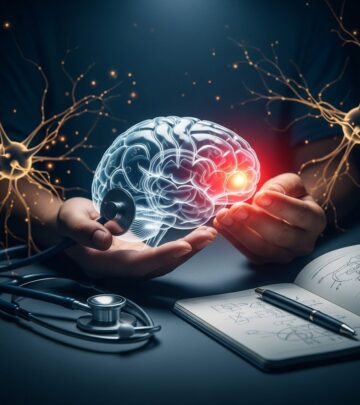
Aphasia is a language disorder that results from damage to parts of the brain responsible for communication. Most commonly triggered by stroke or head injury, it can also occur due to progressive neurological diseases. This article explores the major steps in diagnosing aphasia, current treatment options—including speech and language therapy, emerging medical approaches, and coping strategies for affected individuals and caregivers.
Diagnosis
Diagnosing aphasia involves a combination of medical evaluations, imaging tests, and specialized language assessments. The process ensures accurate identification of both the underlying cause and the specific language deficits involved.
- Physical and Neurological Exams: These include basic assessments of motor function, reflexes, and neurological status to understand any broad effects of brain injury.
- Imaging Tests:
- MRI (Magnetic Resonance Imaging): Offers detailed images of the brain, helping detect strokes, tumors, or other conditions causing aphasia.
- CT (Computerized Tomography) Scan: Provides a rapid assessment, often used in acute settings to identify bleeding or structural damage.
- Speech-Language Pathology Assessment: A speech-language pathologist (SLP) conducts comprehensive evaluations to determine the specific type and severity of aphasia.
The SLP may assess the ability to:
- Name common objects
- Engage in conversations
- Understand, interpret, and use words accurately
- Repeat words and sentences
- Follow both simple and complex instructions
- Read and write
In addition to the main tests outlined above, related diagnostics may include:
- Blood tests to rule out metabolic or infectious causes
- Other neurological examinations for concurrent symptoms
More Information
- Brain CT and MRI scans clarify where and how the brain was affected.
- Specialized neurological examinations are crucial in complex or progressive forms of aphasia.
Treatment
Treatment for aphasia depends on the severity of brain damage and the specific language deficits present. While mild cases may see improvement without intervention, most individuals benefit from structured therapy and multidisciplinary care.
Speech and Language Rehabilitation
Speech and language therapy forms the core of rehabilitation for most people with aphasia. The primary goals are to maximize the person’s capacity to communicate and to teach compensatory strategies to address lost skills.
- Early Intervention: Initiating therapy soon after the injury can lead to more significant improvements in language function.
- Individual and Group Therapy: Sessions can be one-on-one or in groups, with group therapy providing a supportive setting for practicing real-life communication tasks.
- Computer-Assisted Therapy: Digital programs and apps can reinforce learning, especially for relearning vocabulary and phonemes (distinct units of sound).
Therapeutic activities often target:
- Restoring as much language function as possible
- Developing new communication methods (such as gestures or drawing)
- Using alternative or augmentative devices (e.g., tablets, text-to-speech software)
Recovery is typically slow. While many people make notable gains, it is rare to regain full pre-injury communication abilities.
Medication
Pharmacological approaches are being actively studied, with varying levels of evidence. The focus is on drugs that might support brain recovery, improve blood flow, or balance neurotransmitters relevant to language function. Some drugs with early but promising results include:
- Memantine (Namenda)
- Donepezil (Aricept, Adlarity)
- Galantamine (Razadyne ER)
- Piracetam
However, larger studies are required before these can be widely recommended as standard treatment.
Other Emerging Treatments
Innovative therapies—such as brain stimulation techniques—are under investigation:
- Transcranial Magnetic Stimulation (TMS): Uses magnetic fields to stimulate specific brain regions, potentially aiding in the recovery of language abilities.
- Transcranial Direct Current Stimulation (tDCS): Delivers a low electrical current through scalp electrodes to stimulate underlying brain tissue.
While these techniques are promising, more research is needed to determine their long-term effectiveness for aphasia treatment.
Multidisciplinary and Supportive Care
Aphasia may occur alongside other neurological deficits (such as weakness or coordination problems), especially when caused by stroke or traumatic brain injury. An effective treatment plan often includes:
- Physical therapy for movement and balance issues
- Occupational therapy for daily living activities
Caregivers and families play a crucial role in rehabilitation by reinforcing therapy goals and creating supportive environments.
Coping, Support, and Communication Strategies
Living with aphasia can be daunting for both the individual and their loved ones. Effective communication strategies and robust emotional support are essential.
Strategies for Caregivers and Families
- Learn about aphasia and its specific manifestations
- Encourage the person to carry identification materials that explain their condition
- Allow ample time for responses—avoid rushing communication
- Speak slowly, using simple but adult-appropriate language, and actively listen
- Consult the affected person about ways to be supportive
- Sustain your own well-being by maintaining social activities and taking scheduled breaks
Planning for long-term needs (including financial and legal matters) is recommended for progressive or persistent forms of aphasia. Early involvement of the person with aphasia in these decisions can improve outcomes and satisfaction.
Communication Tips
- Use visual aids or write down key words if spoken language is unclear
- Repeat or rephrase if necessary, but avoid treating the person like a child
- Create quiet environments to minimize distractions
- Encourage the use of gestures and other nonverbal cues
Support Groups and Resources
- Consider local or online support groups for both people with aphasia and caregivers
- Seek information from reputable organizations such as the National Aphasia Association or condition-specific societies
- Consult social workers or healthcare professionals regarding community resources
Frequently Asked Questions (FAQs)
What is the main cause of aphasia?
The most common cause is stroke, which disrupts blood flow to areas of the brain responsible for language. Traumatic brain injuries, brain tumors, and progressive neurological diseases can also cause aphasia.
Can people with aphasia regain their language abilities?
Many experience significant improvement, especially with intensive speech and language therapy. However, few individuals fully recover all pre-injury language capabilities.
Are there medications that cure aphasia?
There is currently no medication that can cure aphasia. Some drugs are being explored for their potential to aid recovery, but further research is needed before they become standard treatments.
How does speech-language therapy help?
Speech-language therapy helps rebuild language skills, teaches compensatory communication strategies, and provides tools for interacting with others effectively.
What can families and caregivers do to help?
Families can encourage consistent communication practice, use supportive strategies, involve the person in decision-making, and seek out information and support services.
Key Points in a Table
| Aspect | Details |
|---|---|
| Diagnosis | Physical & neurological exam, brain imaging (MRI/CT), speech-language assessment |
| Core Treatment | Speech and language therapy Group therapy Computer-assisted therapy |
| Emerging Therapies | Medications Brain stimulation (TMS, tDCS) |
| Supportive Measures | Caregiver education Support groups Physical/occupational therapy for related deficits |
| Communication Tips | Simple sentences, allow response time, visual aids, minimize distractions |
| Prognosis | Most improve but full recovery is rare; early and ongoing therapy is key |
Conclusion
Aphasia is a challenging neurological disorder that deeply affects communication but is not a reflection of intelligence or thought. With accurate diagnosis and the support of a dedicated rehabilitation team, individuals with aphasia and their families can adapt to new communication realities. Ongoing research continues to bring hope for improved treatments and outcomes.
References
- https://www.mayoclinic.org/diseases-conditions/primary-progressive-aphasia/care-at-mayo-clinic/mac-20350507
- https://www.mayoclinic.org/diseases-conditions/aphasia/diagnosis-treatment/drc-20369523
- https://www.mayoclinic.org/diseases-conditions/primary-progressive-aphasia/diagnosis-treatment/drc-20350504
- https://batonrougeclinic.com/news-education/a-mayo-clinic-expert-explains-aphasia/
- https://www.mayoclinic.org/diseases-conditions/aphasia/symptoms-causes/syc-20369518
- https://www.mayoclinichealthsystem.org/hometown-health/speaking-of-health/aphasia-putting-the-disorder-into-words
- https://www.mayoclinic.org/diseases-conditions/primary-progressive-aphasia/symptoms-causes/syc-20350499
- https://www.mayoclinichealthsystem.org/hometown-health/speaking-of-health/understanding-aphasia-10-tips-for-improving-communication
- https://www.amerikanhastanesi.org/mayo-clinic-care-network/mayo-clinic-health-information-library/diseases-conditions/aphasia
- https://www.mayoclinic.org/diseases-conditions/stroke/diagnosis-treatment/drc-20350119
Similar Articles



Read full bio of medha deb


