
How to Roast Vegetables: The Ultimate Guide to Flavorful Sides
Caramelized edges and vibrant colors bring out hidden depths in everyday produce.
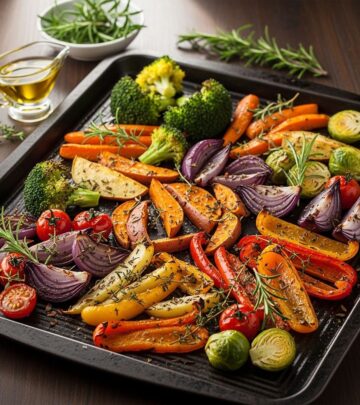
Roasted Vegetables: A Versatile, Flavor-Packed Side Dish
Oven-roasted vegetables are an essential staple for anyone who loves fresh, wholesome flavor. With minimal effort and a few simple ingredients, you can transform vegetables into a caramelized, deeply savory dish that complements any meal. This guide covers every aspect of roasting vegetables, including ingredient choices, step-by-step instructions, seasoning variations, and serving ideas to inspire your next kitchen adventure.
Why Make Roasted Vegetables?
Roasting brings out the best in vegetables by enhancing their natural sweetness, creating irresistible golden edges, and intensifying flavors. Whether you are preparing a simple weeknight meal or a festive holiday spread, roasted veggies offer:
- Versatility: Use any combination of seasonal or favorite vegetables.
- Ease: Minimal prep and hands-off cooking time.
- Health: Nutrient-rich, naturally gluten-free, and easily adaptable to vegan or dairy-free diets.
- Flavor: Customizable with your choice of spices, fresh herbs, citrus, or dressings.
Main Ingredients for Roasted Vegetables
The beauty of roasted vegetables lies in their flexibility. You can roast nearly any variety—mix and match for color, flavor, and nutritional diversity.
- Butternut squash (cubed)
- Brussels sprouts (halved)
- Cauliflower (florets)
- Carrots (cut into 1-inch pieces)
- Turnips (cubed, 1-2 pieces)
- Red onion (wedges)
- Radishes or daikon radish (halved or cubed)
- Extra-virgin olive oil (for roasting and flavor)
- Sea salt and freshly ground black pepper
- Fresh herbs: rosemary, sage (optional)
- Apple cider vinegar dressing or lemon wedges for serving (optional)
Step-by-Step: How to Roast Vegetables
- Preheat the Oven. Set your oven to 425°F (220°C) for crisp, golden edges.
- Prepare Baking Sheets. Line 1–2 large sheets with parchment paper for easy cleanup and less sticking.
- Cut and Arrange Vegetables. Chop vegetables into similar-sized pieces to ensure even cooking. Place them in separate rows according to cook times—delicate veggies apart from roots.
- Season. Drizzle generously with olive oil. Add sea salt, pepper, and, if desired, chopped herbs.
- Roast. Place sheets in the oven. For two sheets, switch racks halfway so all vegetables brown evenly. Toss halfway through for uniform caramelization.
- Check for Doneness. Remove vegetables as they turn tender and golden brown at the edges. Times range from 15 to 45 minutes depending on type and size.
- Finish and Serve. Mix roasted vegetables and season further with salt, pepper, fresh lemon juice, additional herbs, or dressing. Serve hot, warm, or at room temperature.
Approximate Roasting Times for Common Vegetables
| Vegetable | Roasting Time (425°F) |
|---|---|
| Brussels Sprouts | 20–30 minutes |
| Butternut Squash | 25–35 minutes |
| Carrots | 25–45 minutes |
| Cauliflower | 25–35 minutes |
| Radishes | 15–20 minutes |
| Turnips | 25–35 minutes |
| Red Onion | 25–35 minutes |
Choosing Your Seasonings
For classic roasted vegetables, salt, pepper, and olive oil do wonders. To elevate flavors, try these additions:
- Fresh Herbs: Rosemary, sage, thyme, or oregano add aroma and depth.
- Citrus: Lemon wedges or a squeeze of lemon juice brighten the dish.
- Vinegars: Apple cider or sherry vinegar offer tangy contrast.
- Infused Oils: Drizzling with sage oil or garlic oil adds complexity.
- Spices: Smoked paprika, cumin, or red pepper flakes for extra kick.
- Finishing Touches: Sprinkle with roasted nuts, seeds, or cheese such as feta for richness.
Expert Tips for Perfectly Roasted Vegetables
- Uniform Pieces: Even chopping means even cooking.
- Avoid Overcrowding: Leave space on the pan so vegetables roast rather than steam.
- Group by Cook Time: Keep roots and longer-cooking veggies together. More delicate or quick-cooking veggies (like zucchini) should roast separately.
- Toss Halfway Through: Ensures all sides crisp up beautifully.
- Try Two Baking Sheets: Range and oven heat can be uneven. Switching racks helps all veggies brown and finish together.
- Warm for Serving: Reheat briefly in the oven if serving hot alongside other dishes.
Variants: Root Vegetables and Seasonal Blends
Roasted Root Vegetables
Root vegetables like carrots, parsnips, sweet potatoes, beets, and turnips bring earthy flavor, color, and texture. Roasting at high heat until caramelized, then finishing with fresh sage oil and crispy sage leaves adds aromatic richness.
- Chop into 1-inch chunks for even cooking.
- Add mixed herbs: Rosemary, sage, thyme.
- Finish with infused sage oil and crispy sage leaves for a festive touch.
This combination makes an ideal holiday side but is equally delightful for weeknight meals.
Summer Vegetable Roasts & Pasta Pairings
In warmer months, roast lighter vegetables—zucchini, squash, tomatoes—and toss them with pasta, fresh herbs, and a tangy dressing. Oven-roasted vegetable pasta is a satisfying main or side.
- Zucchini, pattypan squash, carrots, Vidalia onions, cherry tomatoes
- Fresh basil, thyme, herbes de Provence
- Drizzle with olive oil and sherry vinegar, toss with feta cheese for a Mediterranean twist
How to Serve Roasted Vegetables
- Holiday Sides: Hearty and colorful for Thanksgiving, Christmas, or special occasions
- Weeknight Meals: Pair with grains, lentils, or pasta for a filling dinner
- Grain Bowls: Combine with quinoa, farro, or brown rice and a vibrant sauce
- Salads: Toss with greens and cheese for a warm winter salad
- Breakfast: Add to scrambles or serve alongside eggs
- Meal Prep: Roasted veggies keep well and are perfect for make-ahead lunches
Storage & Make-Ahead Tips
- Cool roasted vegetables to room temperature before storing.
- Refrigerate in an air-tight container for up to 4 days.
- Reheat in the oven or on the stovetop to restore texture (avoid microwave to prevent sogginess).
- Freeze only if necessary—texture is best when eaten fresh.
Nutrition and Health Benefits
Roasted vegetables are naturally packed with vitamins (A, C, K), fiber, and antioxidants. Using olive oil not only helps crisp the veggies but also offers heart-healthy unsaturated fats. Keeping seasonings light ensures roasted vegetables are a lower-sodium, nutrient-rich option.
- Low in calories, high in fiber for digestive health.
- Provides a full spectrum of colors and nutrients: orange (beta-carotene), purple/red (antioxidants), green (folate, vitamin K).
- Easily customized for gluten-free, vegan, or dairy-free diets.
Roasted Vegetable Recipe Card
Ingredients
- 2 cups butternut squash, cubed
- 2 cups halved Brussels sprouts
- 2 cups cauliflower florets
- 2 carrots, cut into 1-inch pieces
- 1–2 turnips, cut into 1-inch pieces
- 1 small red onion, cut into wedges
- 1 cup red radishes or daikon, halved or cubed
- Extra-virgin olive oil
- Sea salt and pepper
- 2 tbsp chopped rosemary or 12 chopped sage leaves (optional)
- Apple cider vinegar dressing, lemon wedges (optional)
Instructions
- Preheat oven to 425°F. Line baking sheets with parchment paper.
- Arrange vegetables in rows according to cooking time. Drizzle with oil, sprinkle with salt, pepper, and optional herbs.
- Roast until edges are golden (see chart above for timing), tossing and switching racks halfway. Remove finished veggies as they reach doneness.
- Mix roasted vegetables, season with lemon and dressing if desired, gently toss to combine.
- Serve hot or warm, garnished with extra herbs or lemon wedges.
Frequently Asked Questions (FAQs)
Q: Can I use frozen vegetables for roasting?
A: Fresh vegetables are preferred for the best texture, but frozen can be used—expect a softer result and drain excess moisture before roasting.
Q: What oils work best for roasting?
A: Extra-virgin olive oil adds rich flavor and helps veggies crisp. Other neutral oils, such as avocado or grapeseed, also work well.
Q: How do I keep vegetables from turning mushy?
A: Avoid overcrowding and toss halfway through roasting. Use high heat (425°F) and cut veggies into even, bite-sized pieces.
Q: Can I make roasted vegetables ahead of time?
A: Yes—roasted veggies can be prepped up to 4 days ahead. Reheat in the oven for best results.
Q: What seasonings should I avoid when roasting?
A: Sugar-based dressings, as they burn easily at high heat. Use fresh herbs, spices, and acid (lemon/vinegars) after roasting.
Creative Roasted Vegetable Pairings
- With grain bowls: Quinoa, brown rice, or farro
- Over pasta: Toss with penne or fusilli, fresh herbs, and cheese
- In salads: Combine with greens, cheese, and toasted seeds or nuts
- For breakfast: Mix into scrambled eggs or serve alongside toast
- With dip: Serve with hummus, yogurt dip, or kale sauce
Seasonal Roasting Inspiration
- Spring: Asparagus, radishes, baby carrots, peas
- Summer: Zucchini, squash, tomatoes, bell peppers
- Fall: Sweet potatoes, turnips, Brussels sprouts, beets
- Winter: Cauliflower, rutabaga, parsnips, winter squash
Conclusion: Mastering Roasted Vegetables
With endless combinations and customizable flavors, roasted vegetables are the backbone of nutritious, satisfying meals. Use the tips, recipe, and inspiration in this guide to craft delicious sides for any occasion—weeknight dinner or festive gathering. With each pan, you’ll discover new favorites and enjoy seasonal produce in its tastiest form.
References
Similar Articles





Read full bio of medha deb


