
Homemade Pickle Relish: Crunchy, Tangy, and Perfect for Summer
Small-batch condiments offer bright crunch and tang to elevate dishes from the fridge.
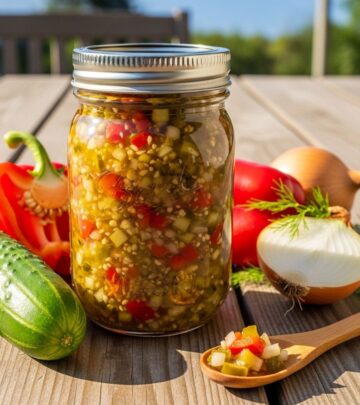
Homemade Pickle Relish Recipe
Pickle relish is a classic condiment that instantly livens up anything from hot dogs to veggie burgers. Unlike store-bought versions, homemade pickle relish offers a fresher taste, irresistible crunch, and customizable flavors. This easy, small-batch recipe produces about one cup—perfect for enjoying within a couple of weeks, so you never deal with a giant jar crowding your fridge.
Why Make Pickle Relish at Home?
- Superior texture: Homemade relish is crunchier and fresher thanks to vibrant vegetables.
- Balanced flavor: The tangy, sweet, and savory notes are more pronounced and less artificial than commercial brands.
- Customizable: Adjust the spices or veggies to suit your personal taste.
- Smaller batch: Makes a practical amount—easy to finish, always fresh.
Ready to upgrade your summer grilling? Let’s dive into everything you need to make the perfect pickle relish from scratch.
Pickle Relish Recipe Ingredients
Here’s what you’ll need to make this sweet, tangy relish. Each ingredient is selected for its distinct flavor and value in the final product:
- Cucumbers: The star ingredient. Give the relish crunch and classic pickle flavor.
- Green Bell Pepper: Adds vibrant color and a peppery crunch that’s uncommon in store-bought options.
- Onion: For a savory depth and subtle sweetness.
- Apple Cider Vinegar: Supplies the signature tang that makes relish pop.
- Cane Sugar: Balances out the vinegar and adds mild sweetness.
- Mustard Seeds: Infuse a gentle sourness and a hint of complexity.
- Celery Seed: Brings a subtle earthy note to round out the flavors.
- Red Pepper Flakes: Optional, for a touch of heat.
- Sea Salt: Essential for bringing all the flavors together.
| Ingredient | Amount |
|---|---|
| Cucumber (diced & seeded) | ¾ cup |
| Green bell pepper (diced) | ¾ cup |
| White onion (diced) | ¼ cup |
| Apple cider vinegar | ½ cup (divided) |
| Cane sugar | 2 tablespoons |
| Mustard seeds | ¾ teaspoon |
| Sea salt | ¾ teaspoon |
| Red pepper flakes | ¼ teaspoon |
| Celery seed | ⅛ teaspoon |
How to Make Pickle Relish
Making relish at home is straightforward and quick. Unlike typical quick pickles, this technique requires briefly simmering the vegetables in vinegar. This helps the vegetables shed excess moisture, ensuring a concentrated, flavorful, and non-watery relish. Follow these simple steps for optimal results:
- Simmer the vegetables: In a small pot, combine cucumber, bell pepper, onion, and half the apple cider vinegar. Bring to a simmer and cook for 10 minutes, stirring occasionally.
- Drain excess liquid: After simmering, pour off the extra liquid to concentrate the flavors and attain the best texture.
- Add spices and remaining vinegar: Return the drained vegetables to the pot and stir in the rest of the apple cider vinegar, cane sugar, mustard seeds, sea salt, red pepper flakes, and celery seed.
- Simmer briefly: Cook an additional 5 minutes to allow spices to infuse.
- Cool and chill: Remove the pot from heat, let cool to room temperature, then refrigerate until ready to use.
Tip: For extra smooth texture, you may grate vegetables instead of dicing. Want a spicier relish? Try adding your favorite hot peppers alongside the red pepper flakes.
Storage Guidelines
- Cool to room temperature before refrigerating.
- Store in a sealed container in the fridge for up to 2 weeks.
Note: This relish is intended for fresh use, not long-term canning or preservation.
Serving Suggestions & Recipe Pairings
Once prepared and chilled, homemade pickle relish becomes a versatile summer staple. Here are some delicious ways to enjoy it:
- Veggie burgers: Add a spoonful of relish for a bright, crunchy, and tangy kick.
- Hot dogs: Classic pairing—instant upgrade from store-bought condiments.
- Sandwiches: Spread it on deli or grilled cheese sandwiches for deep flavor.
- Deviled eggs: Mix it into egg filling for a bold, savory accent.
- Salads: Stir a little relish into potato, pasta, or grain salads.
- Wraps & Bowls: Use as a topping for grain bowls or veggie wraps.
Creative Uses for Pickle Relish
- Dips: Blend into creamy dips or sauces for tang and crunch.
- Tartar sauce: Mix with mayo and lemon for homemade tartar sauce.
- Pasta salads: Adds zest to cold pasta dishes.
Customizing Your Pickle Relish
Homemade relish is easily personalized. Consider the following options to suit your preferences:
- Vary the Vegetables: Substitute or add red bell peppers, carrots, or jalapeños for extra color and heat.
- Adjust the Sweetness: Use less or more sugar depending on whether you prefer savory, tangy, or sweet notes.
- Spice It Up: Add cayenne, armageddon peppers, or additional red pepper flakes for a fiery relish.
- Herbs & Seeds: Experiment with dill seeds or fresh dill for a classic pickle twist.
Can You Can or Preserve This Relish?
This recipe is designed for refrigerator storage and short-term use. If you’d like to make a shelf-stable version, follow proper canning protocols: pack hot relish into sterilized jars and seal, then process in a boiling water bath according to established guidelines for the vegetable and vinegar mixture. Commercially canned relish often includes higher concentrations of vinegar, salt, and sugar for longer preservation.
Frequently Asked Questions (FAQs)
Q: Can I use different types of cucumbers for this recipe?
A: Yes! While pickling cucumbers offer a firmer texture, regular garden cucumbers work well—just seed and dice them thoroughly.
Q: How long does homemade pickle relish last?
A: This refrigerator relish keeps fresh for up to 2 weeks when stored in a covered jar.
Q: Can I make this recipe spicier?
A: Absolutely. Add extra red pepper flakes, dice in hot peppers, or include cayenne for a pronounced heat.
Q: Is it safe to can this relish for longer storage?
A: The original recipe is optimized for short-term storage. For safe long-term canning, increase the proportion of vinegar and salt, use sterilized jars, and follow a tested canning process.
Q: Can I reduce the sugar or use alternatives?
A: You can cut back on cane sugar for a less sweet flavor or try a natural alternative like maple syrup or honey, though taste and consistency may vary.
More Pickle Recipes to Try
If you love this pickle relish, expand your homemade condiment repertoire with these simple, delicious recipes:
- Classic Pickled Red Onions: Adds tangy crunch to sandwiches, salads, and bowls. Thinly slice red onions, simmer in a brine of white vinegar, cane sugar, and salt, and enjoy their vibrant pink hue and punchy flavor.
- Quick Pickled Cucumbers: Slice fresh cucumbers and marinate in a sweet-and-sour brine for instant snacking or fresh side dishes.
- Dill Pickle Spears: For whole pickles, layer cucumbers with garlic, dill, and spices for traditional crunch and zip.
Tips for Best Homemade Relish
- Seed large cucumbers: Prevent the relish from becoming watery or seedy by using small, firm cucumbers or removing seeds from garden varieties.
- Dice finely and evenly: Consistent pieces ensure even cooking and perfect texture.
- Simmer gently: Cook gently so vegetables retain their crunch but release excess liquid.
- Taste and adjust: Sample your relish and tweak salt, sugar, or vinegar balance as preferred.
Conclusion: Why Homemade Pickle Relish is a Must-Try
Bringing homemade pickle relish to your table means fresher flavors, more vibrant summer meals, and a tastier alternative to the supermarket jar. Unlike mass-produced relishes, you have control over the flavors, sweetness, and heat, allowing you to create the perfect condiment for all your grilling, snacking, and lunch needs. It’s simple to prepare, and the rewards are immediate—crunchy, tangy, and colorful relish that’s bound to become a staple in your fridge all season long.
Frequently Asked Questions (FAQs) Recap
Q: What is the best way to serve homemade pickle relish?
A: Use on burgers, hot dogs, sandwiches, deviled eggs, salads, or alongside grilled vegetables and proteins.
Q: Can I freeze pickle relish?
A: Freezing is not recommended, as it can cause textural changes. Stick to fridge storage for best results.
Q: What are the main differences from store-bought relish?
A: Homemade relish offers a brighter, crunchier, and fresher profile with customizable spice and sweetness levels.
Join the Conversation
Have you tried making this relish at home? Share your variations, tips, and favorite ways to use it in the comments below!
References
Similar Articles




Read full bio of medha deb


