
The World’s Healthiest Foods: Nutrient-Dense Choices for Every Diet
Explore the nutrient-packed foods around the world, their proven health benefits, and practical tips for including them in your diet every day.
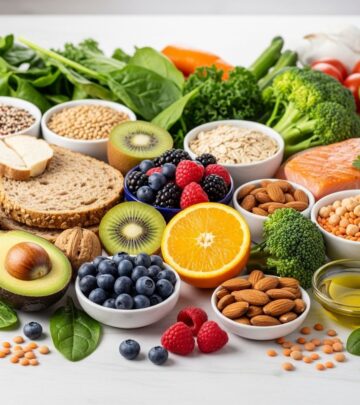
The World’s Healthiest Foods: A Comprehensive Guide
If you want to boost your well-being, prevent chronic diseases, and feel your best, centering your meals on the world’s healthiest foods is a smart, science-backed strategy. These foods aren’t simply trendy; they’re nutrient-dense, offering a powerful combination of vitamins, minerals, antioxidants, and fiber in each serving. Explore which foods have earned a reputation as global health powerhouses and discover how to fit them effortlessly into your diet.
Why Focus on the World’s Healthiest Foods?
Many of the most robust health recommendations—from the Mediterranean and DASH diets to the latest scientific guidelines—share a core principle: eat more whole, minimally processed foods from diverse plant and animal sources.
Key characteristics of the healthiest foods include:
- High nutrient-to-calorie ratio: Packed with vitamins, minerals, and phytonutrients without excessive calories.
- Plenty of fiber: Supports gut health, helps manage weight, and lowers risk for chronic diseases.
- Healthy fats or plant proteins: Provide essential nutrients for heart and brain health.
- Antioxidant content: Fights cellular damage and inflammation.
What Defines a “Healthiest Food”?
Nutrition experts evaluate foods by their nutrient density, broad research on health outcomes, and their place in overall eating patterns. The healthiest foods are usually those with benefits confirmed by multiple large studies and included in dietary guidelines worldwide. Common criteria include:
- Rich in nutrients shown to lower disease risk
- Low in added sugars, sodium, and unhealthy fats
- Minimal processing
- Pleasant taste and versatility in meals
The World’s Healthiest Foods List
The following foods stand out for their extraordinary nutritional value, versatility, and proven benefits. These categories reflect the breadth of research and dietary diversity seen worldwide.
1. Leafy Green Vegetables
- Examples: Kale, spinach, arugula, Swiss chard, collard greens
- Nutrients: Vitamins A, C, K, folate, calcium, magnesium, fiber
- Benefits: May reduce risk of heart disease, stroke, and certain cancers. High antioxidant content fights inflammation.
Tip: Add greens to salads, smoothies, sautéed dishes, and soups for a daily nutrition boost.
2. Cruciferous Vegetables
- Examples: Broccoli, Brussels sprouts, cauliflower, cabbage
- Nutrients: Vitamin C, folate, fiber, glucosinolates (plant compounds linked to cancer prevention)
- Benefits: Consistent intake may help lower risk for cancer, especially colorectal and lung cancers.
Tip: Roast cruciferous veggies for enhanced flavor, or shred raw into slaws and salads.
3. Berries
- Examples: Blueberries, strawberries, raspberries, blackberries
- Nutrients: Vitamin C, manganese, fiber, polyphenols, anthocyanins (antioxidants)
- Benefits: Support brain health, heart health, and may reduce risk for diabetes and cancer.
Tip: Enjoy fresh or frozen. Add to yogurt, whole-grain cereals, or toss into salads.
4. Nuts and Seeds
- Examples: Almonds, walnuts, chia seeds, flaxseeds, sunflower seeds
- Nutrients: Healthy fats (omega-3 and omega-6), fiber, plant protein, vitamin E, magnesium
- Benefits: Improve heart health, help control weight, reduce inflammation, and protect brain health.
Tip: Sprinkle nuts and seeds on salads, oatmeal, or snack on a small handful daily. Use nut butters for dips or spreads.
5. Whole Grains
- Examples: Oats, quinoa, brown rice, barley, farro, whole wheat
- Nutrients: Complex carbohydrates, fiber, B vitamins, iron, selenium, magnesium
- Benefits: Lower risk of heart disease, support digestive health, help regulate blood sugar and appetite.
Tip: Swap refined grains for whole-grain versions in cereals, bread, pasta, and side dishes.
6. Legumes
- Examples: Lentils, chickpeas, black beans, kidney beans, soybeans
- Nutrients: Plant protein, fiber, iron, zinc, potassium, folate
- Benefits: Help lower cholesterol, support gut health, stabilize blood sugar, and provide plant-based protein for vegetarians and vegans.
Tip: Add beans to soups, salads, stews, and grain bowls. Hummus and lentil dals are great ways to boost legume intake.
7. Fatty Fish
- Examples: Salmon, sardines, mackerel, trout, anchovies
- Nutrients: Omega-3 fatty acids (EPA and DHA), vitamin D, selenium, B vitamins
- Benefits: Critical for brain function, heart health, and anti-inflammatory effects. Regular intake linked to lower risk of cardiovascular diseases.
Tip: Grill, roast, or poach fatty fish for a main dish at least two times per week.
8. Fermented Foods
- Examples: Yogurt, kefir, kimchi, sauerkraut, miso, tempeh
- Nutrients: Probiotics (beneficial bacteria), calcium, vitamin K2 (from fermented dairy), protein
- Benefits: Support healthy gut microbiome, enhance digestion, and may improve immune function.
Tip: Include fermented foods as snacks or sides. Choose unsweetened, live-culture yogurts for maximum benefit.
9. Citrus Fruits
- Examples: Oranges, grapefruits, lemons, limes, tangerines
- Nutrients: Vitamin C, flavonoids, potassium, fiber
- Benefits: Boost immunity, help lower cholesterol, and support collagen production for healthy skin.
Tip: Eat citrus whole or use slices and juice in dressings or marinades.
10. Sweet Potatoes
- Nutrients: Beta-carotene (a precursor to vitamin A), fiber, potassium, vitamin C
- Benefits: Support eye health, maintain a strong immune system, and help control blood sugar due to fiber content.
Tip: Roast or mash with olive oil and herbs, or slice and bake as fries.
11. Avocados
- Nutrients: Monounsaturated fats, fiber, potassium, folate, vitamin K
- Benefits: Heart-healthy fats help lower LDL (bad) cholesterol and support brain and skin health.
Tip: Mash onto toast, add to sandwiches, or blend into smoothies for creamy texture.
12. Garlic and Allium Vegetables
- Examples: Garlic, onions, shallots, leeks
- Nutrients: Allicin (a plant compound), vitamin C, manganese, antioxidants
- Benefits: May lower blood pressure, boost immunity, and fight certain infections and cancers.
Tip: Use fresh garlic to add aroma and health benefits to cooked dishes and dressings.
13. Seaweed
- Examples: Nori, wakame, dulse, kelp
- Nutrients: Iodine, sodium, calcium, iron, carotenoids
- Benefits: Rich in minerals and supportive of thyroid health, especially for people limiting animal products.
Tip: Add small amounts to soups, salads, or use dried seaweed snacks.
14. Extra Virgin Olive Oil
- Nutrients: Monounsaturated fats, vitamin E, polyphenols (powerful antioxidants)
- Benefits: Heart-healthy fats that reduce inflammation and have been linked to lower rates of chronic diseases.
Tip: Use as a dressing for salads, drizzle over vegetables, or dip whole grain breads.
The Power of Dietary Patterns
While focusing on individual healthy foods is valuable, the overall dietary pattern matters most. Some of the most scientifically validated eating styles include:
- Mediterranean diet: Emphasizes vegetables, fruits, nuts, legumes, fish, whole grains, and extra virgin olive oil, with limited red meat and added sugars.
- DASH diet: Designed to prevent high blood pressure, rich in produce, low-fat dairy, nuts, lean protein, and whole grains, with reduced sodium.
- Alternative Healthy Eating Index (AHEI): Ranks foods based on their association with chronic disease risk, rewarding healthy plant foods, good fats, and minimizing red/processed meats and sugary drinks.
Practical Tips for Eating More of the Healthiest Foods
- Plan meals around plant foods: Start with veggies, beans, or whole grains, then add moderate portions of animal products if you wish.
- Batch cook grains and beans: Prep in advance for easy assembly of bowls, salads, and soups.
- Keep healthy snacks handy: Fresh fruit, nuts, plain yogurt, and chopped vegetables can curb cravings.
- Embrace global flavors: Try Middle Eastern bean dips, Asian leafy greens, Scandinavian fish, or Mediterranean olive oil for variety.
Table: At-a-Glance Guide to the World’s Healthiest Foods
| Food Category | Star Nutrients | Major Benefits | Serving Ideas |
|---|---|---|---|
| Leafy Greens | Vitamins A, C, K; fiber, folate | Heart, brain, and bone health | Salads, stir-fries, smoothies |
| Cruciferous Vegetables | Vitamin C, fiber, glucosinolates | Cancer prevention, immune support | Roasted, steamed, slaws |
| Berries | Vitamin C, polyphenols, fiber | Antioxidant protection, brain health | With breakfast, snacks, salads |
| Nuts & Seeds | Healthy fats, magnesium, fiber | Heart health, anti-inflammatory | Snacks, oatmeal, yogurt |
| Whole Grains | Fiber, B vitamins, iron | Digestive health, lower CVD risk | Cereals, side dishes, breads |
| Legumes | Protein, fiber, folate | Gut health, vegetarian protein | Soups, chilis, salads |
| Fatty Fish | Omega-3s, Vitamin D | Brain, heart, anti-inflammatory | Grilled, baked, in salads |
| Fermented Foods | Probiotics, calcium, protein | Gut, immune support | Yogurt, kimchi, tempeh |
| Citrus Fruits | Vitamin C, potassium | Immunity, heart health | Snacks, dressings, marinades |
| Sweet Potatoes | Beta-carotene, fiber | Eye health, antioxidant | Roasted, mashed |
| Avocados | Monounsaturated fats, K | Heart, brain health | On toast, in salads |
| Allium Vegetables | Allicin, antioxidants | Immunity, lower BP | Flavor for dishes |
| Seaweed | Iodine, minerals, fiber | Thyroid, minerals | Soups, snacks |
| Olive Oil | Healthy fats, antioxidants | Heart, anti-inflammatory | Dressing, drizzling |
Frequently Asked Questions (FAQs)
Q: How many servings of healthy foods should I aim for daily?
A: The Alternative Healthy Eating Index and major dietary patterns suggest aiming for:
- At least 5 servings of vegetables
- 4 servings of fruits
- 5-6 servings of whole grains
- 1 serving of nuts, legumes, or plant protein daily
Q: Are superfoods enough to prevent disease?
A: No single food is a magic bullet. Overall eating patterns, portion control, and lifestyle choices (physical activity, sleep, stress management) play crucial roles in disease prevention. The healthiest foods support—but do not replace—medical care or other healthy habits.
Q: Are supplements as effective as whole foods?
A: Most research suggests that whole foods deliver more benefits than isolated supplements. Fiber, antioxidants, and nutrients in whole foods work together synergistically, often producing better results than supplements alone.
Q: How do I make healthy eating affordable?
A: Focus on seasonal produce, buy frozen fruits and vegetables, purchase whole grains and legumes in bulk, and limit costly processed foods. Cooking at home and planning meals reduces waste and saves money too.
Q: Can I still eat animal products?
A: Yes, in moderation. Patterns promoting health typically include modest servings of fish, poultry, dairy, and eggs, while limiting processed and red meats.
Start Building a Healthier Plate Today
The world’s healthiest foods aren’t exotic or unattainable—they’re nourishing, delicious staples available in most grocery stores and markets. By making these foods the foundation of your meals, you’ll enjoy flavors from around the globe and take important steps toward lifelong health and vitality.
- Remember: Aim for variety, color, and whole food choices as often as possible.
- Gradually add new foods and recipes to keep meals interesting and enjoyable.
- Consult with a registered dietitian or healthcare provider if you have specific health conditions or dietary needs.
References
- https://www.cancer.org/cancer/risk-prevention/diet-physical-activity/acs-guidelines-nutrition-physical-activity-cancer-prevention/guidelines.html
- https://www.prevention.com/food-nutrition/healthy-eating/a64297964/healthy-aging-diet-study/
- https://www.nature.com/articles/s41591-025-03570-5
- https://pmc.ncbi.nlm.nih.gov/articles/PMC5625964/
- https://www.prevention.com/food-nutrition/
- https://www.cdc.gov/nutrition/features/healthy-eating-tips.html
- https://www.preventioninstitute.org/focus-areas/healthy-food-active-environments
Similar Articles








Read full bio of Sneha Tete


