
What Are Nightshades? Health Benefits, Risks, and Who Should Avoid Them
Discover what nightshades are, their health benefits and risks, and who may need to avoid these common foods.
What Are Nightshades and Why Do They Matter?
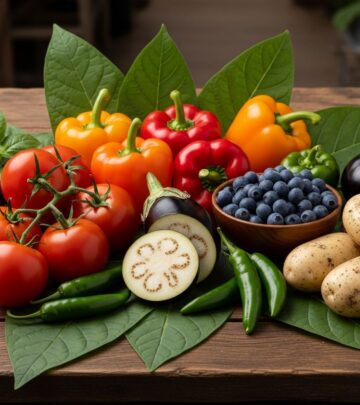
Nightshades are a group of plants belonging to the Solanaceae family, which includes over 2,000 species ranging from edible vegetables and fruits to toxic or ornamental plants. While the term often conjures images of poison, most people regularly consume edible nightshades—such as tomatoes, potatoes, and peppers—without issue. However, these foods have become increasingly debated in nutrition circles due to concerns about alkaloids and potential effects on certain health conditions.
Common Examples of Nightshade Vegetables
Although the nightshade family is vast, only a handful are commonly eaten. Here are some of the most popular:
- Tomatoes
- White potatoes (not sweet potatoes)
- All varieties of peppers (bell, chili, jalapeño, cayenne, etc.)
- Eggplant (aubergines)
- Tomatillos
- Paprika and cayenne (derived from peppers)
- Ground cherries
- Goji berries (often marketed as a superfood)
- Pepino melons
Note: Sweet potatoes, though starchy and similar-looking, are not nightshades.
Nutritional Benefits of Nightshade Vegetables
Edible nightshades are rich in essential nutrients, making them valuable parts of a balanced diet:
- Tomatoes: High in vitamin C, vitamin K, potassium, folate, and the antioxidant lycopene, associated with cancer prevention.
- Potatoes: Packed with fiber, potassium, vitamin C, and vitamin B6.
- Peppers: Low in calories, high in vitamins A and C, potassium, and folic acid; rich in antioxidants.
- Eggplants: Source of antioxidants, fiber, manganese, and nasunin, a unique compound that may help protect cells from damage.
These vegetables are staples in many global cuisines and are generally encouraged as part of a healthy diet by nutrition experts.
Alkaloids and Potential Risks in Nightshades
Nightshades contain natural compounds called alkaloids—such as solanine and capsaicin—which can be toxic in very high amounts but are generally harmless in normal dietary quantities. Solanine, for example, is found in potatoes and can become problematic if potatoes turn green or sprout, but proper storage and preparation minimize this risk.
Most edible nightshades are safe, but their alkaloid content is the focus of concern for those with sensitivities or certain health conditions.
Why Do Some People Avoid Nightshades?
Some individuals report digestive discomfort, joint pain, or exacerbated autoimmune symptoms after eating nightshades. Though scientific evidence is limited, anecdotal reports suggest nightshades may contribute to inflammation or digestive issues in sensitive individuals.
- Autoimmune Conditions: People with arthritis, lupus, or inflammatory bowel disease sometimes find symptom relief on a nightshade-free diet, though direct causal links are not well established.
- Food Sensitivities: Some experience bloating, gas, or other digestive issues after consuming nightshades.
- Allergies: Rarely, individuals may have an allergy to a specific nightshade.
Elimination diets are sometimes recommended to assess personal tolerance, but this should be done with guidance from a healthcare professional.
Non-Edible and Poisonous Nightshades
Not all nightshades are food. Some, like belladonna (deadly nightshade), are highly toxic. Others, such as tobacco, are not typically consumed for nutrition and carry their own health risks. The variety in the Solanaceae family—from medicinal to deadly—underscores the importance of accurate identification.
Myths and Misconceptions about Nightshades
Despite their prevalence in diets worldwide, several myths persist:
- All Nightshades Are Poisonous: Only a small subset is toxic; most are harmless when properly prepared.
- Nightshades Cause Inflammation in Everyone: There is no broad evidence that nightshades cause inflammation in the general population.
- Sweet Potatoes Are Nightshades: They are not; they belong to the morning glory family.
Who Should Consider Avoiding Nightshades?
Most people tolerate nightshades well, but you may consider avoiding them if:
- You experience digestive or joint discomfort after eating them.
- You have an autoimmune condition and suspect nightshades may worsen symptoms (trial elimination may help).
- You have a diagnosed allergy to a specific nightshade.
Consulting a healthcare provider or registered dietitian before making significant dietary changes is always advisable.
Nightshade Substitutes and Alternatives
If you choose to avoid nightshades, several substitutes can fill their culinary and nutritional roles:
| Nightshade | Substitute |
|---|---|
| Tomatoes | Carrots, beets, or squash for color and sweetness |
| Potatoes | Sweet potatoes, yams, or cauliflower |
| Peppers | Celery, radishes, or carrots for crunch |
| Paprika/Cayenne | Black pepper, cinnamon, or ginger for spice |
Frequently Asked Questions
Q: Are all nightshades edible?
No, only a small portion of the Solanaceae family are edible; others, like belladonna, are poisonous.
Q: Are blueberries and strawberries nightshades?
No, neither are nightshades. Goji berries are, but most common berries are not.
Q: Can nightshades trigger arthritis symptoms?
Some people report symptom relief after eliminating nightshades, but there is no conclusive scientific evidence.
Q: How can I tell if I’m sensitive to nightshades?
Trial elimination under professional guidance is the best approach to identify sensitivities.
Q: Are sweet potatoes nightshades?
No, sweet potatoes are not nightshades.
Q: Do nightshades contain nutrients?
Yes, they are rich in vitamins, minerals, and antioxidants beneficial for most people.
Summary and Bottom Line
Nightshade vegetables are nutritious, versatile, and widely consumed, but they may cause issues for some individuals with specific sensitivities or health conditions. For the majority, they pose no risk and offer significant health benefits. If you suspect a sensitivity, consult a healthcare professional before eliminating them from your diet. Remember, dietary needs are individual, and what works for one person may not work for another.
References
- https://carinara.com/blogs/the-sauce/what-are-nightshades
- https://draxe.com/nutrition/nightshade-vegetables/
- https://www.goodrx.com/well-being/diet-nutrition/nightshade-vegetables
- https://www.healthline.com/nutrition/nightshade-vegetables
- https://en.wikipedia.org/wiki/Solanaceae
- https://chomps.com/blogs/nutrition-sustainability-news/nightshade-vegetables-list
- https://fruitsandveggies.org/blog/can-provide-list-fruits-vegetables-categorized-night-shades-recommend-website-might-locate-one/
- https://www.berkeleywellbeing.com/list-of-vegetables.html
Similar Articles






Read full bio of medha deb


