
Snow Pea and Ricotta Toast Recipe: A Fresh Spring Delight
Discover the perfect balance of creamy ricotta and crisp snow peas in this elegant toast recipe
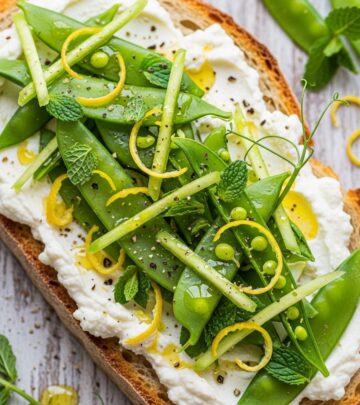
Spring vegetables deserve center stage, and this snow pea and ricotta toast recipe delivers exactly that. Combining the delicate crunch of fresh snow peas with creamy ricotta cheese, this dish represents the perfect marriage of textures and flavors that celebrates seasonal produce at its finest. Whether you’re looking for a sophisticated breakfast option, an elegant lunch, or a light dinner accompaniment, this toast creation offers versatility without sacrificing taste or nutrition.
The beauty of this recipe lies in its simplicity. With just a handful of ingredients and minimal preparation time, you can create a dish that looks and tastes like it came from a high-end café. The snow peas provide a refreshing crispness and mild sweetness, while the ricotta adds a luxurious creaminess that serves as the perfect canvas for the tangy, slightly spicy dressing. At only 131 calories per serving, this toast proves that healthy eating doesn’t mean compromising on flavor or satisfaction.
Understanding Snow Peas: The Star Ingredient
Snow peas, also known as Chinese pea pods, are a variety of pea eaten whole in their pods while still unripe. Unlike their cousin the snap pea, snow peas have flat pods with small, underdeveloped peas inside. These delicate vegetables have been cultivated for thousands of years and remain a staple in Asian cuisine, though they’ve gained widespread popularity in Western cooking for their versatility and nutritional benefits.
The nutritional profile of snow peas makes them an excellent choice for health-conscious individuals. They’re rich in vitamin C, which supports immune function and skin health, and contain significant amounts of vitamin K, essential for blood clotting and bone health. Snow peas also provide dietary fiber, which aids digestion and helps maintain stable blood sugar levels throughout the day. Their low calorie content combined with high water content makes them an ideal ingredient for those managing their weight while still wanting satisfying, flavorful meals.
When selecting snow peas at the market, look for bright green pods that are crisp and flat with a slight sheen. Avoid any that appear wilted, yellowed, or have brown spots, as these indicate age and diminished flavor. Fresh snow peas should snap crisply when bent, and the pods should feel firm to the touch. Store them in a perforated plastic bag in the refrigerator’s crisper drawer, where they’ll maintain their quality for up to five days.
The Magic of Ricotta Cheese
Ricotta cheese brings a luxurious creaminess to this toast recipe that elevates it from simple to sophisticated. This fresh Italian cheese is made from whey, a byproduct of cheese production, which gives it a lighter, more delicate flavor compared to aged cheeses. The mild, slightly sweet taste of ricotta makes it incredibly versatile, working equally well in sweet and savory applications.
From a nutritional standpoint, ricotta offers impressive benefits. It’s an excellent source of protein, providing essential amino acids necessary for muscle repair and growth. The cheese also contains calcium, which supports bone health and plays vital roles in nerve transmission and muscle function. Additionally, ricotta provides selenium, an important antioxidant that protects cells from damage, and phosphorus, which works alongside calcium to maintain strong bones and teeth.
The quality of ricotta can vary significantly between brands and types. Whole milk ricotta, as called for in this recipe, offers the richest flavor and creamiest texture. The fat content contributes to a more satisfying mouthfeel and helps carry the flavors of other ingredients. When purchasing ricotta, check the ingredient list—the best versions contain only milk, whey, salt, and perhaps vinegar or citric acid. Avoid products with added stabilizers, gums, or excessive ingredients, as these often indicate lower quality and can affect both taste and texture.
Crafting the Perfect Dressing
The dressing in this snow pea and ricotta toast recipe is where much of the flavor magic happens. This tangy vinaigrette combines white wine vinegar, olive oil, prepared horseradish, honey, and salt to create a complex flavor profile that complements both the mild ricotta and delicate snow peas. Each ingredient plays a specific role in achieving the perfect balance of flavors.
White wine vinegar provides the acidic backbone of the dressing, cutting through the richness of the ricotta while brightening the overall dish. Its lighter, more delicate flavor compared to red wine vinegar or balsamic vinegar allows the other ingredients to shine without being overshadowed. The acidity also helps tenderize the raw snow peas slightly, making them easier to digest while maintaining their characteristic crunch.
Prepared horseradish adds an unexpected kick that sets this recipe apart from more conventional pea and ricotta combinations. The sharp, pungent heat of horseradish stimulates the palate without overwhelming it, creating an interesting contrast to the sweet honey and creamy ricotta. Horseradish also contains compounds called glucosinolates, which have been studied for their potential anti-inflammatory and antimicrobial properties. When selecting prepared horseradish, choose a product with minimal additives—ideally just horseradish, vinegar, and salt.
The honey in the dressing serves multiple purposes beyond adding sweetness. It helps emulsify the dressing, creating a more stable mixture that coats the snow peas evenly. The natural sugars in honey also complement the slight bitterness that can sometimes be present in snow peas, creating a more rounded flavor profile. Additionally, honey contributes trace minerals and antioxidants, though in small amounts given the quantity used in this recipe.
Ingredient Breakdown and Measurements
Success in cooking often comes down to using the right proportions of quality ingredients. This snow pea and ricotta toast recipe is designed to serve four people, with each serving providing a satisfying portion without excessive calories. The ingredient list is refreshingly short, making this an accessible recipe even for novice cooks.
For the snow peas, you’ll need 4 ounces, which translates to roughly one and a half cups of whole pods. This amount provides enough vegetable matter to generously top four slices of toast without overwhelming the other components. The slicing technique matters here—cutting the snow peas crosswise into quarter-inch pieces creates uniform pieces that distribute evenly across the toast and are easy to eat.
The dressing requires just one tablespoon each of white wine vinegar and olive oil, keeping the recipe light while still providing enough liquid to coat the peas thoroughly. Two teaspoons of prepared horseradish might seem modest, but this amount provides noticeable flavor without making the dish overly spicy. Half a teaspoon each of honey and salt rounds out the dressing, with the salt being particularly important for drawing out the natural flavors of all the ingredients.
Four slices of bread form the foundation of this dish, and the type you choose can significantly impact the final result. While the recipe doesn’t specify a particular bread type, options like sourdough, whole grain, or a rustic country loaf work exceptionally well. These heartier breads can support the toppings without becoming soggy, and their more complex flavors complement rather than compete with the delicate snow peas and ricotta.
Finally, 4 ounces of ricotta—one ounce per toast—provides enough creamy base to cover each slice generously without making the dish feel heavy. This proportion allows the ricotta to act as a flavorful binder that holds the snow pea salad in place while contributing its own subtle sweetness and creamy texture.
Step-by-Step Preparation Guide
Preparing the Snow Peas: Begin by rinsing the snow peas under cold running water to remove any dirt or debris. Pat them dry with a clean kitchen towel or paper towels. Remove the stem end and any strings that run along the seams of the pods—while snow peas are generally more tender than snap peas, these fibrous strings can be unpleasant to eat. Once trimmed, slice the pods crosswise into quarter-inch pieces, creating small, uniform rounds that will distribute evenly across your toast.
Making the Dressing: In a medium mixing bowl, combine the white wine vinegar, olive oil, prepared horseradish, honey, and salt. Whisk these ingredients together vigorously until the mixture emulsifies and the honey dissolves completely into the liquid. The dressing should appear slightly cloudy and cohesive rather than separated. This emulsification is important because it ensures each piece of snow pea gets coated with all the flavors rather than just oil or just vinegar.
Marinating the Snow Peas: Add the sliced snow peas to the bowl with the dressing and toss thoroughly to coat every piece. The acidity in the dressing will begin working on the snow peas immediately, slightly softening their texture while preserving their characteristic crunch. Let this mixture sit for at least five minutes while you prepare the toast. This resting period allows the flavors to meld and the snow peas to absorb the dressing, resulting in more flavorful vegetables.
Toasting the Bread: While the snow peas marinate, toast your bread slices to your preferred level of doneness. For this recipe, aim for a golden-brown toast that’s crispy on the outside but still has some give in the center. Over-toasting can make the bread too hard and difficult to bite through, while under-toasting may result in soggy bread once the toppings are added. A toaster, toaster oven, or even a grill pan on the stovetop will work well for this step.
Assembly: Once your toast is ready, spread one ounce of ricotta cheese on each slice. Use a butter knife or offset spatula to create an even layer that extends to the edges of the bread. The ricotta should be thick enough to prevent the moisture from the snow pea salad from soaking into the bread, but not so thick that it dominates the other flavors. Finally, spoon the marinated snow peas evenly over the ricotta-covered toast, making sure each piece gets a fair share of both the vegetables and the flavorful dressing.
Nutritional Information and Health Benefits
Each serving of this snow pea and ricotta toast contains approximately 131 calories, making it an excellent choice for those monitoring their caloric intake without wanting to sacrifice satisfaction or flavor. The macronutrient breakdown shows 4 grams of protein, 17 grams of carbohydrates, and 5.5 grams of fat per serving, creating a balanced profile that provides energy and satiety.
The 2 grams of fiber per serving contributes to digestive health and helps regulate blood sugar levels by slowing the absorption of carbohydrates. This fiber content comes primarily from the snow peas and the bread, especially if you choose a whole grain variety. The recipe contains 3.5 grams of total sugars, with 2 grams being added sugars from the honey in the dressing—a modest amount that adds flavor without excessive sweetness.
With only 1.5 grams of saturated fat per serving, this recipe aligns well with heart-healthy eating patterns. The fat content comes primarily from the ricotta cheese and olive oil, both of which contribute beneficial nutrients. The olive oil provides monounsaturated fats, which have been associated with reduced inflammation and improved heart health, while the ricotta contributes both flavor and nutritional value through its protein and calcium content.
The cholesterol content sits at a minimal 4 milligrams per serving, making this suitable for individuals managing their cholesterol levels. However, the sodium content is more substantial at 392 milligrams per serving, which represents about 17% of the recommended daily intake. Those following sodium-restricted diets may want to reduce the salt in the dressing or choose a lower-sodium bread to bring this number down.
Serving Suggestions and Meal Pairing Ideas
This snow pea and ricotta toast shines as a standalone dish, but it also works beautifully as part of a larger meal. For breakfast or brunch, pair it with a simple fruit salad featuring berries and citrus segments, which echo the bright, fresh flavors in the toast. A smoothie made with spinach, banana, and almond milk would complement the vegetable-forward nature of the dish while adding additional protein and nutrients.
As a lunch option, serve the toast alongside a light soup such as spring vegetable minestrone or a chilled gazpacho during warmer months. The contrast between the room-temperature toast and a warm or cold soup creates an interesting textural and temperature interplay that makes the meal more engaging. A small side salad with mixed greens, radishes, and a lemon vinaigrette would add more vegetables without overwhelming the palate.
For dinner, this toast works exceptionally well as an appetizer or light first course. Follow it with grilled fish such as salmon or halibut, which share the spring vegetable’s delicate flavor profile without competing for attention. Roasted chicken with herbs would also pair nicely, as would a vegetarian main course like stuffed bell peppers or eggplant parmesan.
When it comes to beverages, a crisp white wine such as Sauvignon Blanc or Pinot Grigio complements the bright, fresh flavors of the snow peas and the tanginess of the dressing. For non-alcoholic options, consider sparkling water with a squeeze of fresh lemon or lime, or a light herbal tea such as chamomile or green tea served either hot or iced depending on the season and your preference.
Variations and Customization Options
Vegetable Alternatives: While snow peas are the star of this recipe, other spring vegetables can work equally well. Sugar snap peas, with their fuller pods and sweeter flavor, make an excellent substitute and require the same preparation method. Fresh English peas, shelled and blanched briefly in boiling water, offer a more concentrated pea flavor and a softer texture. Asparagus tips, thinly sliced on the diagonal, provide a different but complementary flavor profile that works beautifully with ricotta.
Cheese Variations: Though ricotta is traditional in this recipe, other fresh cheeses can create interesting variations. Goat cheese offers a tangier profile that some may prefer, while burrata provides an even more luxurious, creamy texture with its mozzarella exterior and cream-filled center. For a vegan version, cashew-based ricotta alternatives have become increasingly available and can replicate the creamy texture surprisingly well, though the flavor will be slightly different.
Bread Options: The foundation of any toast recipe deserves consideration. Sourdough bread adds a pleasant tanginess that complements the vinegar in the dressing, while whole wheat or multigrain bread contributes nuttiness and additional fiber. For a gluten-free version, look for sturdy gluten-free bread that won’t crumble under the weight of the toppings. Rye bread offers an earthy flavor that pairs surprisingly well with the sweet snow peas, though it may not be to everyone’s taste.
Enhancing the Flavor Profile: Fresh herbs can elevate this recipe to new heights. Mint, with its cooling properties and bright flavor, works exceptionally well with peas. Finely chopped and added to the dressing or sprinkled over the finished toast, mint adds another dimension of freshness. Basil offers a sweeter, more aromatic option, while dill provides an unexpected but pleasant anise-like note that complements the horseradish nicely. Chives or scallions add a mild onion flavor that enhances savory notes without overwhelming the delicate snow peas.
Storage and Make-Ahead Tips
While this snow pea and ricotta toast is best enjoyed immediately after assembly, components can be prepared in advance to streamline the cooking process. The snow pea salad can be made up to 24 hours ahead and stored in an airtight container in the refrigerator. In fact, allowing the snow peas to marinate longer can intensify the flavors as the vegetables have more time to absorb the dressing. Before serving, bring the mixture to room temperature for about 15 minutes, as cold vegetables on warm toast can create an unpleasant temperature contrast.
The ricotta cheese can also be portioned and stored in advance, though it should be brought to room temperature before spreading on toast for the best texture and spreadability. Cold ricotta tends to be firmer and more difficult to spread evenly, which can tear the toast or create an uneven layer. If you’ve made or purchased ricotta more than a few days in advance, check it before using—fresh ricotta should have a clean, milky smell and no signs of separation or discoloration.
Assembled toasts don’t store well, as the moisture from the ricotta and snow pea salad will inevitably make the bread soggy over time. If you absolutely must prepare complete toasts in advance, do so no more than 30 minutes before serving and store them in a single layer, uncovered, in the refrigerator. This isn’t ideal, but it can work in a pinch if you’re preparing for a gathering and need to manage timing carefully.
Leftover components can be repurposed in creative ways. The snow pea salad makes an excellent addition to grain bowls, can be tossed with cooked pasta for a quick lunch, or served alongside grilled proteins. Leftover ricotta can be sweetened with honey and served over fresh fruit, stirred into scrambled eggs for extra creaminess, or used as a dip for raw vegetables.
Common Mistakes and How to Avoid Them
Over-slicing the Snow Peas: One common error is cutting the snow peas too thin, which causes them to become limp and lose their characteristic crunch. Stick to the recommended quarter-inch thickness to maintain texture while still creating pieces that are easy to eat and distribute evenly across the toast.
Using Low-Quality Ricotta: Not all ricotta is created equal. Low-fat or skim ricotta varieties lack the richness and creamy texture that make this recipe special. Similarly, ricotta with added stabilizers or gums can have a grainy or artificial texture that detracts from the dish. Invest in quality whole milk ricotta for the best results—the difference in flavor and texture is substantial.
Skipping the Resting Period: It might be tempting to skip letting the snow peas sit in the dressing, especially if you’re in a hurry, but this step is crucial for flavor development. The brief marinating time allows the vegetables to absorb the dressing and the flavors to meld together, resulting in a more cohesive and delicious final product.
Incorrect Toast Texture: Toast that’s too soft will become soggy quickly under the weight of the toppings, while toast that’s too dark and hard can be difficult to bite through and may overpower the delicate flavors of the snow peas and ricotta. Aim for a golden-brown color with a crispy exterior that still has some give when pressed gently.
Unbalanced Assembly: Loading too much topping on each piece of toast can make it difficult to eat and may cause the toppings to slide off. Conversely, being too sparing with the ricotta or snow peas results in a bland, underwhelming dish. Follow the proportions in the recipe—one ounce of ricotta and a quarter of the snow pea mixture per toast—for the best balance of flavors and textures.
Frequently Asked Questions
Q: Can I use frozen snow peas for this recipe?
A: While fresh snow peas are strongly recommended for the best texture and flavor, frozen snow peas can work in a pinch. Thaw them completely and pat very dry before slicing and marinating. Keep in mind that frozen vegetables have a softer texture than fresh, so the characteristic crunch of snow peas will be diminished. The flavor will still be pleasant, but the overall eating experience won’t be quite the same.
Q: How can I make this recipe vegan?
A: To create a vegan version of this snow pea toast, substitute the ricotta with a plant-based alternative. Cashew ricotta works particularly well and can be made at home by blending soaked cashews with lemon juice, nutritional yeast, and salt until smooth and creamy. Many grocery stores now also carry commercial vegan ricotta products that are convenient and tasty. Ensure your bread is also vegan, as some varieties contain milk or eggs.
Q: What’s the difference between snow peas and sugar snap peas?
A: Snow peas have flat pods with very small peas inside, while sugar snap peas have rounded, fuller pods with larger peas. Both are eaten whole with the pod, but sugar snap peas are generally sweeter and have a more pronounced pea flavor. They can be used interchangeably in this recipe, though sugar snap peas may need slightly longer slicing time due to their thicker pods.
Q: Can I make the dressing ahead of time?
A: Yes, the dressing can be made up to three days in advance and stored in an airtight container in the refrigerator. Shake or whisk it vigorously before using, as the ingredients may separate during storage. Bringing the dressing to room temperature before tossing with the snow peas will help it coat the vegetables more evenly and provide better flavor distribution.
Q: Is there a substitute for horseradish in the dressing?
A: If you don’t have horseradish or prefer not to use it, you can substitute with Dijon mustard for a different but complementary spicy note. Use about one teaspoon of Dijon mustard in place of the two teaspoons of horseradish. Alternatively, a small amount of wasabi paste can provide similar heat, though it will give the dish a more Asian-inspired flavor profile. For a milder version, simply omit the horseradish and add a pinch of black pepper instead.
Q: How can I increase the protein content of this dish?
A: To boost the protein, you can add sliced hard-boiled eggs on top of the snow peas, crumble some cooked bacon or prosciutto over the finished toast, or mix white beans into the snow pea salad. Another option is to use a higher-protein bread as your base, or to increase the amount of ricotta per serving. Adding a handful of toasted nuts like almonds or pine nuts will also increase both protein and healthy fats.
References
- https://www.habitualhostess.com/recipes-1/snap-pea-and-whipped-ricotta-toast
- https://www.prevention.com/food-nutrition/recipes/a34079382/snow-pea-and-ricotta-toast-recipe/
- https://crumbsandcaramel.com/vegan-pesto-pea-ricotta-toasts/
- https://www.floatingkitchen.net/grilled-snap-pea-and-whipped-ricotta-toast/
- https://cupofjo.com/2022/05/04/smashed-pea-toasts-with-ricotta/
- https://archive.northforker.com/2021/03/farm-stand-to-table-herby-snap-pea-toast-with-simple-homemade-ricotta/
- https://adventuresincooking.com/mint-pea-ricotta-toasts-from-the-wicked-healthy-cookbook/
Similar Articles






Read full bio of Sneha Tete


