
Plant-Based Protein Sources
Exploring the best plant-based protein sources for a healthier lifestyle.
Introduction to Plant-Based Protein
Adopting a plant-based diet has become increasingly popular due to its health benefits and environmental sustainability. One common misconception about plant-based diets is that they lack sufficient protein. However, there are numerous high-protein plant-based foods that can provide all the essential amino acids your body needs. In this article, we will explore the best plant-based protein sources, discuss their nutritional benefits, and provide tips on integrating them into your daily meals.
Types of Plant-Based Protein Sources
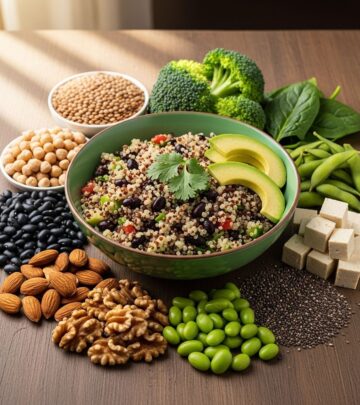
Plant-based proteins come from a variety of sources, including legumes, whole grains, nuts, seeds, and soy products. Here are some of the most nutritious options:
- Legumes: Beans (black, kidney, pinto), lentils, chickpeas, and peas are rich in protein and fiber.
- Nuts and Seeds: Almonds, walnuts, chia seeds, flax seeds, hemp seeds, and pumpkin seeds are excellent sources of protein and healthy fats.
- Whole Grains: Quinoa, amaranth, and bulgur are high-protein grains that provide essential amino acids.
- Soy Products: Tofu, tempeh, edamame, and soy milk are complete protein sources, containing all nine essential amino acids.
Benefits of Plant-Based Proteins
Plant-based proteins offer several health benefits compared to animal proteins. They are typically lower in saturated fats and higher in fiber and vitamins. Consuming plant-based proteins can help reduce the risk of heart disease, improve digestion, and support weight management.
Complete vs. Incomplete Proteins
A complete protein contains all nine essential amino acids that the human body cannot produce on its own. While most plant-based proteins are incomplete, combining different plant foods can provide all essential amino acids. For example, pairing rice with beans creates a complete protein meal.
| Food | Protein Content | Essential Amino Acids |
|---|---|---|
| Quinoa | 8 grams per cup | Complete |
| Tofu | 26 grams per 3/4 cup | Complete |
| Black Beans | 15 grams per cup | Incomplete |
| Lentils | 18 grams per cup | Incomplete |
Incorporating Plant-Based Proteins into Your Diet
Incorporating plant-based proteins into your meals is easy and versatile:
- Salads: Add chickpeas, lentils, or tofu to your favorite salads for a protein boost.
- Breakfast: Enjoy quinoa porridge or chia seed pudding with nuts and fruits.
- Snacks: Munch on nuts and seeds or blend them into butters for smoothies.
- Main Course: Use tempeh, tofu, or edamame in stir-fries and curries.
Frequently Asked Questions (FAQs)
Q: Can I get enough protein from plant-based sources alone?
A: Yes, it is possible to obtain all the necessary protein from plant-based sources by consuming a variety of foods.
Q: How can I ensure I get all the essential amino acids?
A: Combine different plant proteins in your meals, such as pairing grains with legumes, to ensure you get all essential amino acids.
Q: Are plant-based diets suitable for everyone?
A: Plant-based diets can be suitable for most people if well-planned, but it’s advisable to consult with a healthcare provider or dietitian for personalized advice.
References
- https://www.healthline.com/nutrition/complete-protein-for-vegans
- https://www.heart.org/en/healthy-living/healthy-eating/eat-smart/nutrition-basics/plant-based-protein-infographic
- https://switch4good.org/plant-based-protein/
- https://www.healthline.com/nutrition/vegan-protein-sources-chart
- https://vitaquest.com/plant-based-protein-manufacturing-guide/
- https://www.chhs.colostate.edu/krnc/monthly-blog/plant-based-protein-a-simple-guide-to-getting-enough/
- https://www.forksoverknives.com/wellness/vegan-protein-guide-athletes/
- http://meatlessmonday.publichealth.jhu.edu/resources/quick-guide-plant-based-proteins
- https://www.hollandandbarrett.com/the-health-hub/sports-nutrition/protein/vegetarian-protein/your-ultimate-guide-to-plant-based-protein/
Similar Articles








Read full bio of Sneha Tete


