
Making Homemade Baby Food
Empower Your Baby's Nutrition with Homemade Recipes and Tips
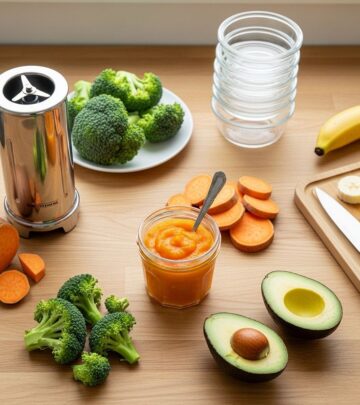
Introduction to Homemade Baby Food
Making homemade baby food is a great way to ensure your baby receives the most nutritious and wholesome foods. It allows parents to control the quality of ingredients and avoid additives found in store-bought options. With a little planning, you can save money and enhance your baby’s health by preparing meals at home. This guide will walk you through the process of choosing ingredients, preparing and storing homemade baby food, and provide delicious stage 1 baby food recipes.
Why Choose Homemade Baby Food?
Homemade baby food offers several advantages over store-bought options. By making your own food, you can ensure that your baby is exposed to a wide variety of foods, which is crucial for their development and health. Additionally, homemade baby food is often cheaper and more environmentally friendly than commercial alternatives. Stephanie Middleberg, a registered dietitian, emphasizes that preparing homemade baby food allows total control over the nutrition profile and quality of ingredients.
Choosing Ingredients
When it comes to selecting ingredients for your homemade baby food,
organic options
are generally the best choice. Organic foods are grown without hormones or synthetic pesticides and are higher in nutrients compared to non-organic foods. This makes them an ideal choice for your baby’s health.Benefits of Organic Foods
- Higher Nutrient Content: Organic foods often have higher levels of essential nutrients like vitamins and minerals.
- Lower Exposure to Pesticides: Organic farming avoids the use of synthetic pesticides, reducing the risk of chemical exposure.
- No Hormones or Antibiotics: Organic farming does not use hormones or antibiotics, which can be beneficial for infants’ sensitive immune systems.
Preparing and Storing Homemade Baby Food
Preparing homemade baby food is easier than you might think. Here are some tips to help you get started and make the process more manageable:
Preparation Tips
- Wash Your Hands: Ensure cleanliness by washing your hands before preparing baby food.
- Choose Fresh Produce: Select fruits and vegetables that are fresh and nutritious.
- Steam or Cook Food: Use steaming to retain vitamins and minerals, especially for vegetables.
- Remove Choking Hazards: Peel fruits and vegetables and remove seeds and pits to prevent choking.
- Blend to the Right Consistency: Use a blender or baby food maker to achieve the desired consistency based on your baby’s age.
Storage Tips
Once prepared, storing homemade baby food efficiently is crucial. Here’s how to do it:
- Cook in Large Batches: Prepare food in large quantities to save time and reduce waste.
- Freeze in Silicone Trays: Freeze portions in silicone baby food storage trays for easy storage and reheating.
- Label and Store: Pop frozen cubes into Ziploc bags or glass containers, label with the recipe name and date, and store for up to a few weeks.
Delicious Stage 1 Baby Food Recipes
Here are some simple and nutritious recipes to get you started:
1. Avocado Puree
Avocados are rich in healthy fats and nutrients, making them a perfect first food for babies.
- Peel and pit a ripe avocado.
- Blend until smooth.
- Add breast milk or formula for desired consistency.
2. Sweet Potato Puree
Sweet potatoes are packed with vitamins and minerals.
- Bake a sweet potato until tender.
- Scoop out the flesh and blend until smooth.
- Add water or breast milk to achieve the right consistency.
3. Banana Puree
Easy to digest and full of potassium.
- Mash a ripe banana with a fork.
- Blend for a finer texture if needed.
Frequently Asked Questions (FAQs)
Q: What age should I start introducing solid foods to my baby?
A: The American Academy of Pediatrics recommends introducing solid foods around 6 months old, ensuring your baby shows signs of readiness.
Q: How often should I introduce new foods to my baby?
A: Introduce new foods every 3 to 5 days to monitor for any allergic reactions.
Q: Can I add honey to my baby’s food?
A: No, honey should not be added to baby food due to the risk of botulism.
Q: How should I store homemade baby food?
A: Store pureed foods in the refrigerator for up to a few days or freeze them in ice cube trays for longer storage.
References
- https://www.medicalnewstoday.com/articles/how-to-make-baby-food
- https://www.prevention.com/food-nutrition/recipes/g21565027/homemade-baby-food-recipes/
- https://extension.usu.edu/nutrition/research/fresh-and-easy-how-to-make-pureed-baby-food
- https://www.nurturelife.com/blog/best-first-baby-purees/
- https://www.healthychildren.org/English/tips-tools/ask-the-pediatrician/Pages/Is-it-OK-to-make-my-own-baby-food.aspx
- https://beaumonteh.com/homemade-healthy-baby-food-recipes/
- https://www.health.state.mn.us/people/wic/recipes/babyfood.html
- https://www.henryford.com/Blog/2020/03/Pros-and-Cons-Homemade-Baby-Food
Similar Articles






Read full bio of medha deb


