
The Complete Guide to the Low FODMAP Diet for Digestive Health
Understand how a Low FODMAP Diet can help manage IBS symptoms, with practical advice, meal ideas, and expert tips for sustainable relief.
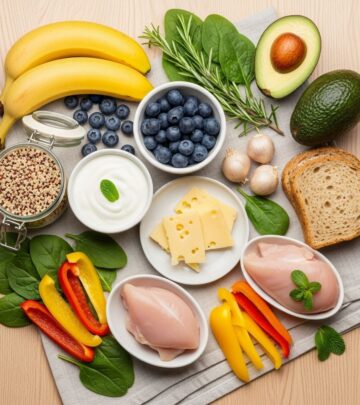
If you struggle with digestive discomfort, bloating, or symptoms of Irritable Bowel Syndrome (IBS), the Low FODMAP Diet could provide lasting relief. This comprehensive guide explores what FODMAPs are, who benefits from avoiding them, how to approach the diet’s unique three-step process, and practical tips for healthy eating on a Low FODMAP Diet.
What Are FODMAPs?
FODMAPs is an acronym for Fermentable Oligosaccharides, Disaccharides, Monosaccharides, and Polyols—a group of short-chain carbohydrates found in many everyday foods. In people with sensitive digestive systems, these compounds can be poorly absorbed in the small intestine, leading to symptoms like gas, bloating, stomach pain, diarrhea, and constipation.
- Oligosaccharides: Found in wheat, rye, onions, and some legumes.
- Disaccharides: Mainly lactose, found in milk and soft cheeses.
- Monosaccharides: Excess fructose, found in apples, honey, and high fructose corn syrup.
- Polyols: Sugar alcohols like sorbitol and mannitol, found in some fruits and sugar-free products.
The key issue with FODMAPs is that they pull water into the gut and are rapidly fermented by gut bacteria, which can cause distress in individuals with IBS or other digestive sensitivities.
Who Should Try a Low FODMAP Diet?
The Low FODMAP Diet is not a weight loss program or a general healthy eating plan. It is a specialized diet developed at Monash University to help people with IBS (Irritable Bowel Syndrome), other functional gastrointestinal disorders, or those with specific food sensitivities identify and manage their personal food triggers. Common GI symptoms that may improve with a Low FODMAP Diet include:
- Bloating
- Abdominal pain or cramps
- Gas and flatulence
- Diarrhea, constipation, or alternating patterns
- Urgency or changes in bowel habits
Note: The Low FODMAP Diet should always be done under the guidance of a health professional or registered dietitian, especially since long-term, highly restrictive eating is neither healthy nor necessary for most people.
How Does the Low FODMAP Diet Work?
The effectiveness of the Low FODMAP Diet comes from its three distinct phases: Elimination, Reintroduction, and Personalization. Each stage is important for identifying your unique food triggers and supporting nutritional balance.
Phase 1: Elimination
For 2-6 weeks, you’ll eliminate all high-FODMAP foods from your diet and replace them with low-FODMAP alternatives. This reduces gut irritation, allowing symptoms to settle down. During this short-term phase, you’ll need to be vigilant and consistent; the more strictly you follow the elimination, the clearer the results will be.
- Swap high-FODMAP foods for suitable low-FODMAP substitutions (see lists below).
- Refer to FODMAP apps or guides for comprehensive food lists and portion sizes.
- Keep a symptom diary to monitor improvements.
- If symptoms do not improve, discuss other strategies with your doctor.
Phase 2: Reintroduction (FODMAP Challenges)
Next, you’ll systematically reintroduce each FODMAP group—one at a time, over 3-7 days—to clearly determine which groups (and individual foods) aggravate your symptoms. This structured approach helps untangle which foods you can tolerate and which you should limit or avoid.
- Continue the low-FODMAP baseline while testing a single FODMAP category.
- Keep a detailed food and symptom diary.
- Monitor portion size and symptoms—sometimes, quantity matters.
- After challenging each category, consult your healthcare provider or dietitian on next steps.
Phase 3: Personalization (Modified FODMAP Diet)
Once your triggers are identified, you’ll personalize your long-term eating plan. This phase introduces as many tolerated foods as possible, maximizing variety, nutrition, and enjoyment.
- Eat freely from low-FODMAP foods and reintroduce as many tolerated higher-FODMAP foods as possible.
- Maintain symptom relief while supporting a balanced, enjoyable, and sustainable diet.
- Review your plan regularly—FODMAP tolerance can change over time.
Eating Well on a Low FODMAP Diet
The Low FODMAP Diet is not about deprivation; it’s about identifying your unique triggers and finding nutritious, flavorful ways to eat well. Here are the foundational foods you’ll focus on, likely during the elimination phase and as a baseline during reintroduction.
Low FODMAP Foods: What to Eat
- Proteins: Fresh beef, chicken, turkey, lamb, pork, fish, eggs, firm tofu, and tempeh.
- Grains and starches: Rice, oats, quinoa, polenta, gluten-free bread, corn tortillas, sourdough spelt bread.
- Fruits: Bananas (unripe), blueberries, oranges, strawberries, kiwi, cantaloupe, grapes.
- Vegetables: Carrots, potatoes, tomatoes, spinach, zucchini, eggplant, bell peppers, cucumber, lettuce, bok choy, green beans.
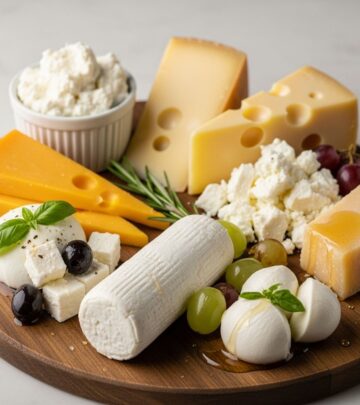
- Lactose-free dairy & plant-based options: Lactose-free milk or yogurt, hard cheeses (cheddar, Swiss, parmesan), almond milk, rice milk.
- Nuts and seeds: Almonds (limited), macadamias, pecans, walnuts, chia, sunflower and pumpkin seeds.
- Fats & oils: Olive oil, butter, coconut oil, most cooking oils.
- Flavorings: Pure spices, fresh/dried herbs, garlic- and onion-infused oils (the FODMAPs aren’t soluble in oil).
High FODMAP Foods: What to Avoid (Especially in Elimination Phase)
- Wheat and rye grains: Bread, pasta, breakfast cereals, cookies and pastries made with wheat or rye.
- Dairy: Milk, soft cheeses, yogurts, custards, and ice cream (unless lactose-free).
- Fruit: Apples, pears, peaches, watermelon, stone fruits, cherries, mango, dried fruits, fruit juice concentrates.
- Vegetables: Onions, garlic, cauliflower, artichokes, mushrooms, asparagus, Brussels sprouts.
- Legumes & pulses: Beans, lentils, chickpeas (except in small portions after reintroduction phase).
- Sugar alcohols (Polyols): Sorbitol, mannitol, xylitol, isomalt (found in sugar-free gum, candies, and some fruits).
- Sweets and processed foods: Products made with honey, high fructose corn syrup, agave syrup, and certain jams or sauces.
Sample Low FODMAP Meal Ideas
Getting started can be overwhelming, but there are many tasty and simple meals available within the Low FODMAP framework.
| Meal | Example Ideas |
|---|---|
| Breakfast |
|
| Lunch |
|
| Dinner |
|
Tips for Success and Long-Term Maintenance
- Work with a registered dietitian: Expert guidance ensures nutritional balance and long-term sustainability.
- Read food labels: Watch for hidden FODMAP ingredients and added sugars.
- Prepare meals at home: Control ingredients and avoid accidental exposure to high FODMAPs.
- Use food and symptom diaries: Track what you eat and how you feel to uncover patterns—especially during reintroduction.
- Don’t stay in elimination forever: Strict avoidance is temporary; the goal is always to include as broad a variety of foods as possible for overall health.
- Allow for flexibility: Personal “safe” foods—what you tolerate—may change over time.
Potential Pitfalls and Considerations
- Risk of nutritional deficiencies: Consult a professional, especially if eliminating major food groups for long periods.
- Social and emotional impacts: Eating out, travel, or family meals may require planning and communication.
- Not for everyone: The Low FODMAP Diet is only indicated for certain conditions. Unnecessary restriction can cause harm.
- Underlying conditions: Persistent symptoms despite FODMAP elimination warrant further evaluation by a medical provider.
Frequently Asked Questions (FAQs)
Q: What does FODMAP stand for?
A: FODMAP stands for Fermentable Oligo-, Di-, Monosaccharides and Polyols, a group of carbohydrates that can trigger digestive discomfort in some people.
Q: Is the Low FODMAP Diet gluten-free?
A: Not necessarily, but it does restrict most wheat- and rye-based foods due to their high FODMAP content. Many gluten-free products are low in FODMAPs, but always check ingredients since some contain high FODMAP sweeteners or fibers.
Q: Can the Low FODMAP Diet help with other conditions besides IBS?
A: While most studies focus on IBS, some people with other functional gastrointestinal issues find symptom relief; however, the diet is not routinely recommended for non-IBS conditions unless advised by a clinician.
Q: How long does it take to see results?
A: Most people notice significant symptom improvements within 2-6 weeks of elimination. If no change occurs after 6 weeks, FODMAPs may not be your primary trigger.
Q: Can I ever eat high FODMAP foods again?
A: Yes. The goal is always to bring as many tolerated foods back as possible. The reintroduction and personalization phases are designed to prevent unnecessary restriction and support a healthy, enjoyable diet for life.
Expert Advice for Getting Started
- Consult a specialist: A dietitian with FODMAP expertise can customize the approach and answer questions unique to your needs.
- Utilize FODMAP resources: Apps and food lists from research-based organizations (such as Monash University) help you decode food choices and portion sizes.
- Stay patient and positive: Adjusting may take time, but symptom relief can make a significant difference to quality of life!
Summary: The Low FODMAP Diet as a Tool for Digestive Wellness
The Low FODMAP Diet is a scientifically proven, stepwise approach for people with IBS and related GI symptoms to find relief by identifying and managing their personal food triggers. With the right guidance and a balanced approach, you can maintain variety, nutrition, and pleasure in your diet even with digestive challenges. Remember: Your unique journey is best supported with lasting, individualized changes—never unnecessary deprivation.
References
- https://www.monashfodmap.com/ibs-central/i-have-ibs/starting-the-low-fodmap-diet/
- https://oshihealth.com/low-fodmap-foods-list/
- https://www.gloshospitals.nhs.uk/media/documents/FODMAP_dietsheet_for_website.pdf
- https://med.virginia.edu/ginutrition/wp-content/uploads/sites/199/2023/12/Low-FODMAP-Diet-and-Instructions-2023.pdf
- https://my.clevelandclinic.org/health/treatments/22466-low-fodmap-diet
- https://www.healthline.com/nutrition/fodmaps-101
- https://www.mountsinai.org/health-library/selfcare-instructions/low-fodmap-diet
- https://gi.org/topics/low-fodmap-diet/
- https://www.va.gov/WHOLEHEALTHLIBRARY/tools/fodmap-diet.asp
Similar Articles







Read full bio of Sneha Tete


