
Is Sparkling Water Bad for You? Benefits & Side Effects
Discover the truth about sparkling water and whether it's a healthy choice for your hydration needs.
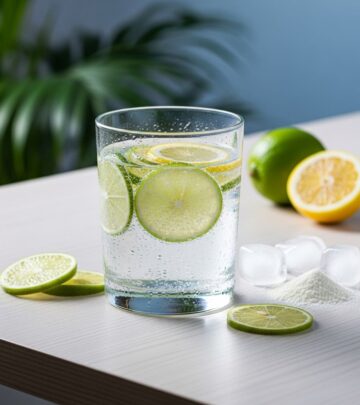
Sparkling water has exploded in popularity over recent years, becoming a go-to beverage for health-conscious consumers looking to ditch sugary sodas while still enjoying that satisfying fizz. With the global sparkling water market reaching billions of dollars, it’s clear that people are embracing this bubbly alternative. But as with any food or beverage trend, questions arise about whether sparkling water is truly as healthy as it seems. Does the carbonation harm your teeth? Can it weaken your bones? Will it leave you feeling bloated or even hungrier than before? This comprehensive guide explores everything you need to know about sparkling water, from its impressive health benefits to potential concerns you should keep in mind.
What Exactly Is Sparkling Water?
Sparkling water is simply water that has been infused with carbon dioxide gas under pressure, creating those characteristic bubbles and fizz that make it so refreshing. When carbon dioxide dissolves in water, it forms carbonic acid, which gives sparkling water its slightly tangy taste and acidic pH. The process is similar to what happens naturally in some mineral springs, though most commercial sparkling water is artificially carbonated.
There are several types of carbonated water available on the market, and understanding the differences can help you make informed choices. Club soda contains added minerals like potassium bicarbonate and potassium sulfate to enhance flavor. Seltzer water is plain water that’s been carbonated without any added minerals or flavors. Sparkling mineral water comes from natural springs and contains various minerals depending on its source. Tonic water is carbonated water that contains added sugar and quinine, making it significantly less healthy than other options.
The Health Benefits of Drinking Sparkling Water
Despite some lingering concerns, sparkling water offers numerous health advantages that make it an excellent choice for daily hydration. Here’s what the research reveals about the positive effects of incorporating carbonated water into your routine.
Provides Excellent Hydration
The most fundamental benefit of sparkling water is that it hydrates your body just as effectively as still water. Hydration is crucial for virtually every bodily function, from regulating body temperature to supporting cognitive performance and maintaining healthy skin. For people who struggle to drink enough plain water throughout the day, sparkling water can be a game-changer. The fizzy sensation and varied flavors make hydration more enjoyable, encouraging you to drink more fluids overall.
Many people mistakenly believe that the carbonation in sparkling water somehow reduces its hydrating properties, but this is simply not true. Whether you prefer your water flat or fizzy, your body absorbs it equally well. This makes sparkling water an excellent option for meeting your daily hydration needs, which typically range from eight to twelve cups per day depending on your activity level, climate, and individual factors.
Supports Weight Management Goals
For those watching their weight, sparkling water can be a valuable tool in your healthy eating arsenal. Proper hydration is essential for weight management because dehydration can often masquerade as hunger. When you’re not adequately hydrated, your body may send signals that feel like hunger pangs, leading you to eat when what you really need is fluids. By staying well-hydrated with sparkling water, you can better distinguish between genuine hunger and thirst, potentially reducing unnecessary snacking.
Additionally, research suggests that sparkling water may increase feelings of satiety or fullness compared to still water. The carbonation appears to trigger receptors in your stomach that signal fullness to your brain, potentially helping you feel satisfied with smaller portions. This effect can be particularly helpful when you’re trying to manage your calorie intake without feeling constantly hungry or deprived.
However, it’s crucial to choose your sparkling water wisely. While plain carbonated water or club soda contains zero calories, beverages like tonic water pack about 15 grams of sugar per serving—roughly a third of what you’d find in regular soda. Drinking multiple servings of sweetened carbonated beverages defeats the purpose of choosing a healthier option, so always check labels carefully and opt for unsweetened varieties.
Serves as an Ideal Soda Substitute
One of the most compelling reasons to embrace sparkling water is its effectiveness as a replacement for sugary sodas. Regular soda consumption has been linked to numerous health problems, including obesity, type 2 diabetes, heart disease, and tooth decay. The combination of excessive sugar, artificial colors, and other additives makes soda one of the least healthy beverage choices available.
Sparkling water mimics the satisfying fizz and refreshing sensation that makes soda so appealing, but without the sugar, calories, or artificial ingredients found in soft drinks. This makes the transition away from soda much easier, as you’re not sacrificing the sensory experience you enjoy. Many former soda drinkers find that after switching to sparkling water for a few weeks, their cravings for sugary beverages diminish significantly. You can even add a splash of fresh fruit juice or muddled berries to create your own healthy flavored sparkling water that rivals any store-bought soda.
May Improve Digestive Health
Emerging research suggests that sparkling water may offer specific benefits for your digestive system. Several studies have found that carbonated water can help alleviate constipation and improve overall bowel function. The carbonation appears to stimulate the nerves responsible for triggering digestive processes, making the entire system work more efficiently. This can help relieve uncomfortable bloating and constipation while promoting more regular bowel movements.
In one notable study, participants experiencing constipation after a stroke reported significant relief after drinking sparkling water for just two weeks. Another study found that people with indigestion experienced noticeable improvements in their symptoms when they regularly consumed carbonated water. While more research is needed to fully understand these mechanisms, the current evidence suggests that sparkling water could be a simple, natural remedy for common digestive complaints.
Helps Control Appetite and Reduce Calorie Intake
The relationship between sparkling water and appetite is complex and somewhat debated, but several studies indicate that carbonated water may help people feel fuller for longer periods. Research shows that sparkling water can keep food in your stomach longer than regular water, which extends the sensation of fullness after meals. This prolonged satiety can be incredibly beneficial for people trying to reduce their overall calorie intake without constantly battling hunger.
Some earlier research suggested that carbonation might actually increase levels of ghrelin, the hormone that stimulates appetite. However, these findings were primarily from small animal studies and haven’t been consistently replicated in human research. The broader body of evidence suggests that for most people, sparkling water actually helps control hunger rather than stimulating it, making it a useful tool for weight management.
May Assist with Swallowing Difficulties
For individuals living with dysphagia—a condition affecting approximately three million Americans that causes difficulty swallowing—sparkling water may offer unexpected benefits. Small-scale studies have indicated that the carbonation in sparkling water can help clear the throat and make swallowing easier for people with this condition. The bubbles appear to stimulate the swallowing reflex more effectively than still water, potentially providing a simple, non-invasive aid for managing dysphagia symptoms.
While these findings are promising, it’s important to note that dysphagia can have various causes and severities, and what works for one person may not work for another. Anyone experiencing persistent swallowing difficulties should consult with their healthcare provider before using sparkling water as a management strategy, as professional evaluation and treatment are essential for this condition.
Debunking Common Myths About Sparkling Water
Despite the many benefits of sparkling water, several persistent myths continue to circulate about potential health risks. Let’s examine the science behind these concerns to separate fact from fiction.
The Truth About Sparkling Water and Bone Health
One of the most common misconceptions about sparkling water is that it weakens bones or contributes to conditions like osteoporosis. This myth likely stems from research showing that cola consumption is associated with reduced bone density, but it’s crucial to understand that correlation does not equal causation—and more importantly, that not all carbonated beverages are created equal.
The bone density issues linked to cola drinks aren’t caused by carbonation itself, but rather by phosphoric acid, an additive found specifically in dark colas. This compound can interfere with calcium absorption and contribute to calcium loss from bones over time. However, plain sparkling water and most other carbonated beverages do not contain phosphoric acid, making them entirely different from a bone health perspective.
In fact, certain types of sparkling water may actually support bone health rather than harm it. Sparkling mineral waters often contain beneficial minerals like calcium and magnesium, which are essential for maintaining strong bones and may even help improve bone density. So not only is the concern about sparkling water harming your bones unfounded, but some varieties might actually contribute to skeletal health.
Understanding the Effects on Dental Health
Another frequent concern about sparkling water involves its potential impact on tooth enamel. It’s true that carbonated water is slightly acidic, typically with a pH between 3 and 4, due to the carbonic acid formed when carbon dioxide dissolves in water. Given that acidic substances can erode tooth enamel over time, this concern isn’t entirely unreasonable. However, the risk posed by plain sparkling water is minimal, especially when compared to other common beverages.
Plain carbonated water poses far less risk to dental health than sugar-sweetened sodas, which combine acidity with sugar—a double threat to tooth enamel. The bacteria in your mouth feed on sugar and produce even more acid, creating an environment that actively promotes tooth decay. Sparkling water also does significantly less damage than other popular beverages like kombucha, energy drinks, and fruit juices, all of which have lower pH levels and often contain added sugars.
That said, some flavored sparkling waters may be more acidic than plain varieties, particularly if manufacturers add citric acid or other flavoring agents. If you’re concerned about protecting your tooth enamel, stick to plain or lightly flavored sparkling water, drink it with meals rather than sipping throughout the day, and consider using a straw to minimize contact with your teeth. Maintaining good oral hygiene practices, including regular brushing and flossing, will also help protect your enamel regardless of what you drink.
Potential Concerns and Considerations
While sparkling water is generally safe and healthy for most people, there are a few considerations to keep in mind to ensure you’re making the best choices for your individual health needs.
Watch Out for Hidden Ingredients
Not all sparkling waters are created equal, and some varieties contain ingredients that significantly diminish their health benefits. Flavored sparkling waters, in particular, often include artificial sweeteners like aspartame, sucralose, or stevia to enhance taste without adding calories. While these sweeteners are marketed as healthy alternatives to sugar, research suggests they may come with their own set of problems.
Artificial sweeteners can be anywhere from 200 to 20,000 times sweeter than regular sugar, which can have profound effects on your taste preferences and eating behaviors. Regular consumption of intensely sweet beverages may increase cravings for sweet foods, making it harder to enjoy naturally sweet foods like fruits. Over time, artificial sweeteners may also alter your taste buds, causing healthy foods to taste less appealing. Some research has even linked long-term consumption of artificial sweeteners to increased risks of heart disease, stroke, dementia, and paradoxically, weight gain.
To avoid these potential issues, always read labels carefully before purchasing flavored sparkling water. Look for products with zero calories, no added sugars or high fructose corn syrup, low sodium content (ideally under 100 milligrams per serving), and minimal or no artificial sweeteners. Plain sparkling water remains your healthiest option, though you can easily add natural flavor with fresh fruit, herbs like mint or basil, or a splash of 100% fruit juice.
The Hunger Hormone Connection
While most research suggests that sparkling water helps with satiety and appetite control, one study found that carbon dioxide in carbonated beverages caused levels of ghrelin—the hormone that stimulates hunger—to increase in both rats and humans. This could theoretically lead to overeating and weight gain, contradicting the general finding that sparkling water aids in weight management.
However, this study represents an outlier in the research, and its findings haven’t been widely replicated. The majority of evidence supports the conclusion that sparkling water helps people feel fuller rather than hungrier. Still, if you notice that drinking carbonated water seems to increase your appetite or lead to overeating, it’s worth paying attention to your individual response and potentially reducing your intake.
Digestive Discomfort for Some Individuals
While sparkling water can improve digestive function for many people, the carbonation may cause discomfort for others, particularly those with certain digestive conditions. People with irritable bowel syndrome (IBS) may find that carbonated beverages trigger or worsen symptoms like bloating, gas, and abdominal discomfort. The carbon dioxide gas can accumulate in the digestive tract, leading to a feeling of fullness that’s uncomfortable rather than beneficial.
If you have IBS or other digestive sensitivities, pay attention to how your body responds to sparkling water. You may find that limiting your intake or switching to still water helps manage your symptoms more effectively. As always, consult with your healthcare provider if you have persistent digestive issues.
Making Sparkling Water at Home
With the rise in popularity of home carbonation machines, making your own sparkling water has become easier and more cost-effective than ever. These devices allow you to carbonate regular tap or filtered water to your preferred level of fizziness, giving you complete control over what goes into your beverage. Home carbonation is also more environmentally friendly than buying bottled sparkling water, as it reduces plastic waste and the carbon footprint associated with transportation.
When making sparkling water at home, you can experiment with natural flavorings to create custom beverages that rival any store-bought option. Try adding sliced citrus fruits like lemon, lime, or grapefruit for a refreshing twist, or muddle fresh berries for a subtly sweet flavor. Fresh herbs like mint, basil, or rosemary can add complexity and sophistication to your homemade sparkling water. Cucumber slices, ginger, or even a splash of 100% fruit juice are other excellent ways to enhance flavor naturally without compromising the health benefits.
How to Choose the Healthiest Sparkling Water
When shopping for sparkling water, keep these guidelines in mind to ensure you’re selecting the healthiest options available. First, always check the nutrition label for zero calories and no added sugars. Even small amounts of sugar can add up quickly if you’re drinking multiple servings per day. Second, look for products with minimal sodium content, as excessive sodium intake can contribute to high blood pressure and other health issues. Ideally, choose sparkling waters with less than 100 milligrams of sodium per serving.
Third, be cautious of artificial sweeteners and flavorings. While these additives make sparkling water taste more appealing, they may come with unintended health consequences. If you prefer flavored options, look for products that use natural fruit essences rather than artificial flavors or sweeteners. Finally, consider choosing sparkling mineral water occasionally to benefit from naturally occurring minerals like calcium and magnesium, which can support bone health and other bodily functions.
Frequently Asked Questions About Sparkling Water
Q: Is sparkling water as hydrating as regular water?
A: Yes, sparkling water is just as hydrating as still water. The carbonation does not affect your body’s ability to absorb and utilize the water for hydration purposes. If you find that the fizz makes you more likely to drink adequate amounts of water throughout the day, sparkling water can actually help you stay better hydrated than if you were struggling to drink enough plain water.
Q: Can I drink sparkling water every day?
A: For most people, drinking sparkling water daily is perfectly safe and healthy. However, if you have IBS or other digestive sensitivities, you may want to limit your intake or alternate between sparkling and still water to avoid potential discomfort from carbonation. Always listen to your body and adjust your consumption based on how you feel.
Q: Does sparkling water count toward my daily water intake?
A: Absolutely! Sparkling water counts just as much as still water toward your daily hydration goals. Whether you prefer flat or fizzy, the key is drinking enough fluids throughout the day to support your body’s needs. Most health experts recommend eight to twelve cups of water daily, though individual needs vary based on factors like activity level, climate, and overall health.
Q: Will sparkling water damage my tooth enamel?
A: Plain sparkling water poses minimal risk to tooth enamel, especially compared to sugary sodas and other acidic beverages. While carbonated water is slightly acidic due to carbonic acid formation, the risk of enamel damage is relatively low. To further protect your teeth, drink sparkling water with meals rather than sipping it throughout the day, use a straw to minimize contact with teeth, and maintain good oral hygiene practices.
Q: Can sparkling water help with weight loss?
A: Sparkling water may support weight loss efforts in several ways. It provides hydration without calories, helping you avoid high-calorie beverages like soda and juice. The carbonation may increase feelings of fullness, potentially helping you eat less and reduce overall calorie intake. Additionally, proper hydration helps your body distinguish between hunger and thirst, which can prevent unnecessary snacking. However, sparkling water is not a magic solution for weight loss—it works best as part of a comprehensive approach that includes a balanced diet and regular physical activity.
Q: Are there any people who should avoid sparkling water?
A: While sparkling water is safe for most people, those with IBS or other digestive conditions may find that carbonation worsens their symptoms. People with acid reflux or GERD might also want to limit carbonated beverages, as the bubbles can exacerbate these conditions. If you have any concerns about whether sparkling water is appropriate for your specific health situation, consult with your healthcare provider for personalized advice.
Q: Is tonic water the same as sparkling water?
A: No, tonic water is quite different from plain sparkling water. While both are carbonated, tonic water contains added sugar and quinine, giving it a distinctive bitter taste. A typical serving of tonic water contains about 15 grams of sugar—roughly one-third of what you’d find in a regular soda. This makes tonic water a much less healthy choice than plain sparkling water or club soda. If you enjoy the taste of tonic water, look for sugar-free versions, but be aware these typically contain artificial sweeteners.
The Bottom Line on Sparkling Water
Sparkling water stands out as an excellent choice for hydration and a smart alternative to sugary sodas and other high-calorie beverages. It provides the same hydration benefits as still water while offering additional advantages like improved satiety, digestive support, and help with transitioning away from unhealthy drinks. The concerns about bone health and severe tooth enamel damage are largely unfounded when it comes to plain sparkling water, making it a safe option for most people to enjoy regularly.
The key to maximizing the benefits of sparkling water lies in choosing wisely. Opt for plain varieties or those with natural flavoring, avoid added sugars and excessive artificial sweeteners, and pay attention to sodium content. By making informed choices and listening to your body’s responses, you can confidently incorporate sparkling water into a healthy lifestyle. Whether you prefer store-bought brands or enjoy making your own at home, sparkling water offers a refreshing, healthy way to stay hydrated without sacrificing enjoyment or satisfaction.
References
- https://www.uchicagomedicine.org/forefront/health-and-wellness-articles/2023/may/is-carbonated-water-good-for-you
- https://www.bannerhealth.com/healthcareblog/teach-me/are-sparkling-waters-bad-for-you
- https://healthy.kaiserpermanente.org/health-wellness/healtharticle.are-fruit-flavored-sparkling-waters-bad-for-you
- https://health.clevelandclinic.org/is-sparkling-water-healthy
- https://www.healthline.com/nutrition/carbonated-water-good-or-bad
- https://www.webmd.com/diet/sparkling-water-health-benefits
- https://fitwell.recreation.ucla.edu/file/27a0358b-896a-4c8e-bab9-30b5ad4e51a9
- https://www.medicalnewstoday.com/articles/is-carbonated-sparkling-water-bad-for-you
Similar Articles







Read full bio of medha deb


