
The 7 Healthiest Cheeses and Their Surprising Benefits
Discover which cheeses nourish your body with protein, calcium, and probiotics—while providing big flavor in every bite.
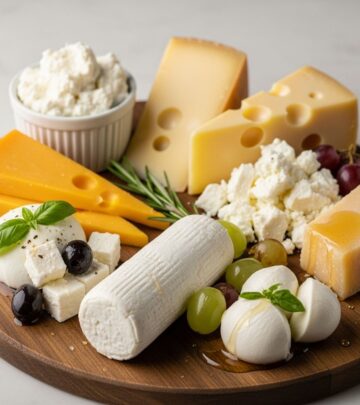
Cheese is a beloved staple, offering irresistible flavors and versatility in cooking and snacking. But while some varieties are rich in saturated fat and sodium, many cheeses deliver key nutrients—like protein, calcium, vitamins, and probiotics—and can absolutely be a part of a healthy diet in moderation.
In this comprehensive guide, we share the seven healthiest cheeses you can buy, information on their nutritional advantages, how best to enjoy them, and answers to common questions about choosing and incorporating cheese for better health.
Why Cheese Can Be a Healthy Choice
Cheese is often debated for its nutritional merits, but research and expert reviews highlight that it can:
- Be a good source of protein, calcium, and probiotics
- Supply trace vitamins such as vitamin K, vitamin A, and potassium
- Provide a variety of beneficial compounds depending on preparation and milk type
- Contain bioactive peptides and healthy fats that may help regulate cholesterol and support heart health
- Feature fermented properties that can nourish your gut microbiome and aid digestion
In fact, a major study in the journal Nutrients found an association between modest cheese consumption and a lower risk of dementia. Another umbrella review found links between moderate cheese intake and reduced all-cause and cardiovascular mortality, as well as improved bone health and reduced stroke risk.
However, higher fat and sodium content means moderation is key, especially for those sensitive to salt, at risk of heart disease, or watching caloric intake. For individuals with lactose intolerance or dairy allergies, plant-based alternatives or avoidance is best.
How to Choose the Healthiest Cheese
- Opt for fresh or aged cheeses with fewer additives and preservatives.
- Check nutrition labels for lower sodium and saturated fat contents—for soft cheeses, pay special attention to salt.
- Choose options rich in protein and calcium, while also considering serving size.
- Full-fat cheeses increase satiety and support absorption of fat-soluble vitamins (A, D, K), but low-fat versions may be suitable for calorie-conscious eaters.
- For additional gut benefits, look for fermented cheeses containing live, active probiotic cultures. These promote digestive health and a balanced microbiome.
The 7 Healthiest Cheeses
This curated list highlights cheeses that combine nutritional strengths with great taste. Nutrition values may vary by brand and type, so always check specifics on labels.
| Cheese | Calories (per 1 oz or 1 cup) | Protein | Fat | Carbs | Sodium | Calcium |
|---|---|---|---|---|---|---|
| Ricotta (1 cup) | 408 kcal | 20 g | 28.5 g | 18 g | 271 mg | 578 mg |
| Blue Cheese (1 oz) | 100 kcal | 6 g | 8 g | 2 g | 326 mg | 150 mg |
| Parmesan (1 oz) | 110 kcal | 10 g | 7 g | <1 g | 333 mg | 330 mg |
| Cheddar (1 oz) | 115 kcal | 7 g | 9 g | 0 g | 180 mg | 200 mg |
| Goat Cheese (1 oz) | 75 kcal | 5 g | 6 g | 0 g | 130 mg | 40 mg |
| Fresh Mozzarella (1 oz) | 85 kcal | 6 g | 6 g | 1 g | 175 mg | 143 mg |
| Cottage Cheese (1/2 cup) | 110 kcal | 14 g | 5 g | 3 g | 370 mg | 70 mg |
1. Parmesan
Parmesan is a hard, aged Italian cheese known for its salty, nutty bite. Rich in protein and naturally low in lactose, it’s ideal for those seeking bone support and added flavor with minimal portion size.
- One ounce delivers around 10 g of protein and 33% of daily calcium needs
- Contains vitamins B12 and A, supporting immunity and nerve function
- Grate over salads, pasta, soup, or roasted veggies for a flavor punch
- Fermentation boosts bioactive peptide content
2. Cheddar
Cheddar is a household staple, beloved for its tangy sharpness and versatility. It’s packed with protein, calcium, and some healthy fats, including conjugated linoleic acid (CLA), which may support immunity and heart health.
- About 7 g of protein per ounce
- High in vitamin K for bone metabolism and heart health
- Available in full-fat or reduced-fat versions—pick lower-sodium options if possible
- Melt on sandwiches, enjoy sliced on whole-grain crackers, or pair with apples for balanced snacking
3. Goat Cheese
Goat cheese is tangy, creamy, and easier to digest for many who are sensitive to traditional cow’s milk cheese. It offers a solid protein and calcium punch at fewer calories and tends to have smaller fat globules, aiding digestion.
- Often lower in lactose and easier on the gut than cow’s cheese
- More vitamins and minerals per serving, especially vitamin A, riboflavin, and phosphorus
- Rich in prebiotics and beneficial fatty acids
- Delicious crumbled on salads, roasted vegetables, or spread on whole-grain toast
4. Fresh Mozzarella
Fresh mozzarella is a soft, moist Italian cheese that’s perfect for salads and simple snacks. It’s lower in sodium than most aged cheeses and provides a light yet satisfying protein boost.
- Good source of calcium, vitamin B12, and live probiotic cultures
- Pairs beautifully with tomatoes, basil, and olives for a classic Caprese salad
- Mild flavor suits many dishes and palates
- Less processed, with fewer added preservatives
5. Cottage Cheese
Cottage cheese is beloved for its high protein and low fat content, and it comes in regular, low-fat, and nonfat varieties. Its mild taste and versatile texture make it a handy addition to both sweet and savory meals.
- High in phosphorus and all nine essential amino acids, aiding muscle recovery and bone health
- Choose low-sodium and low-fat versions for best results
- Mix into fruit bowls, use as a topping for whole-grain toast, or incorporate into pancakes
6. Ricotta
Ricotta is a traditional Italian whey cheese with a creamy texture. Though higher in fat than other options, it supplies over half of the daily value for calcium in just one cup. It’s an excellent source of protein and can be used both sweet and savory.
- Blend with spinach for vegetable dips, layer into lasagna, or dollop onto toast with honey
- Best enjoyed in moderation due to its higher fat content
- Provides potassium and vitamin A, supporting muscle function and vision
7. Blue Cheese
Blue cheese is recognizable for its veined appearance, bold taste, and probiotic-packed fermentation process. It’s moderate in calories and provides full-on flavor, so a little goes a long way.
- Contains potassium, which regulates blood pressure and muscle function
- Fermented with Penicillium roqueforti for heart-healthy properties
- Crumble over greens or roasted beets, stir into dressings, or pair with pears and walnuts
- Research links higher blue cheese intake to lower cardiovascular disease rates
Tips for Enjoying Cheese in a Healthy Diet
- Practice portion control: Most cheese servings range from 1 to 2 ounces. Savor flavors by slicing thinly or grating over dishes.
- Balance with fiber and protein: Pair cheeses with fiber-rich vegetables, fruits, and whole grains to create a balanced meal or snack.
- Watch sodium intake: Hard or aged cheeses usually contain more salt. Try rinsing feta or opting for lower-sodium varieties when possible.
- Choose minimally processed cheeses to avoid unnecessary additives or artificial preservatives.
Potential Health Benefits of Cheese
- Supports bone health thanks to rich calcium and phosphorus content
- Promotes muscle repair and satiety due to complete proteins
- Improves gut health via natural probiotics in fermented varieties
- Provides fat-soluble vitamins for immune and metabolic health
- Linked to lower risks of certain diseases when eaten in moderation, including cognitive decline and cardiovascular events
Frequently Asked Questions (FAQs)
Q: Is cheese healthy or unhealthy?
A: Cheese offers protein, calcium, and vital nutrients, supporting bone, muscle, and gut health. However, its saturated fat and sodium content mean moderation is important, especially for heart health and blood pressure.
Q: Can lactose-intolerant people eat cheese?
A: Some cheeses, especially aged varieties like Parmesan and cheddar, are naturally lower in lactose. Goat cheese is often tolerated better. Always check labels and consult a healthcare provider if you’re sensitive.
Q: What’s the best way to eat cheese for health?
A: Pair cheese with whole foods like fruits, vegetables, or whole grains; aim for small servings (about 1 ounce); and choose less processed, lower-sodium varieties.
Q: What’s healthier: full-fat or low-fat cheese?
A: Both have benefits. Full-fat cheeses can enhance satiety and help absorb fat-soluble vitamins, while low-fat types reduce calories and saturated fat. Choose what suits your health needs and enjoy them in moderation.
Q: Should I avoid cheese if I’m concerned about heart health?
A: Not necessarily. Moderate intake—especially of lower-sodium, part-skim, or probiotic-rich cheeses—fits within most heart-healthy diets. Pair with plant-based foods and monitor overall dietary patterns for best results.
Smart Ways to Enjoy Cheese Every Day
- Add ricotta or cottage cheese to breakfast bowls with berries and nuts
- Grate parmesan onto roasted vegetables or soups for a savory boost
- Pair small cubes of cheddar or mozzarella with apple slices or grapes for satisfying snacks
- Whip goat cheese into dips or use as a creamy sandwich spread
- Crumble blue cheese onto salads or roasted potatoes for bold flavor with few calories
Final Thoughts
Cheese, when chosen with care and consumed in moderate amounts, can be both delicious and nourishing. Diverse types bring different nutrients and gourmet appeal—making it easy to find healthy options to suit your appetite, health goals, and creative kitchen ideas. From the sharp tang of aged cheddar to the creamy smoothness of ricotta, there’s a cheese for every taste and nutrition plan.
References
- https://www.healthline.com/nutrition/healthiest-cheese
- https://www.prevention.com/food-nutrition/healthy-eating/g45959229/healthiest-cheeses/
- https://www.prevention.com/food-nutrition/a64256748/high-protein-cheeses/
- https://preventcancer.org/article/five-of-the-healthiest-cheeses/
- https://pmc.ncbi.nlm.nih.gov/articles/PMC10509445/
- https://www.prevention.com/health/a68998069/full-fat-vs-low-fat-dairy/
- https://www.prevention.com/food-nutrition/healthy-eating/a20447024/goat-cheese/
- https://www.prevention.com/food-nutrition/healthy-eating/a65637767/eat-bad-cheese/
Similar Articles






Read full bio of Sneha Tete


