
Top Foods to Avoid with IBS: Expert Guide for Symptom Relief
Discover which foods may trigger IBS and practical tips to help manage symptoms and improve digestive health.
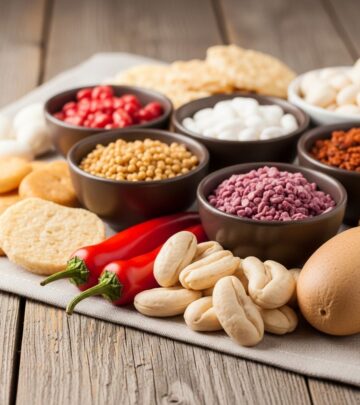
Foods to Avoid with IBS: Comprehensive Guide for Managing Symptoms
Irritable Bowel Syndrome (IBS) is a chronic condition affecting the digestive system, characterized by abdominal pain, bloating, diarrhea, and constipation. The foods you eat can play a pivotal role in triggering or alleviating your IBS symptoms. This expert guide details the foods commonly linked to symptom flares, why they trigger discomfort, and evidence-based strategies for dietary management.
Understanding IBS and Its Symptoms
IBS affects up to 1 in 5 adults, with symptoms that can vary substantially between individuals. Common complaints include:
- Abdominal pain
- Bloating and gas
- Diarrhea
- Constipation
- Cramping
IBS may be classified as IBS-D (diarrhea-predominant), IBS-C (constipation-predominant), or IBS-M (mixed). Certain foods consistently aggravate symptoms for many people, although individual responses can vary considerably.
Key Categories of Foods That May Worsen IBS
Below are the primary food groups most commonly associated with IBS symptom aggravation. The table provides a summary before a more detailed breakdown of each category:
| Food Category | Common Examples | Primary IBS Symptom Triggered |
|---|---|---|
| Dairy Products | Milk, cheese, cream, ice cream, yogurt | Bloating, gas, diarrhea |
| Gluten-containing Foods | Bread, pasta, cereals, baked goods, beer | Bloating, abdominal pain, diarrhea |
| Beans & Legumes | Black beans, chickpeas, lentils, soybeans | Gas, bloating, cramps |
| High-FODMAP Foods | Onions, garlic, apples, pears, cabbage, mushrooms | Gas, bloating, diarrhea |
| Caffeinated & Carbonated Drinks | Coffee, energy drinks, sodas, sparkling water | Diarrhea, cramping |
| Alcohol | Beer, wine, cocktails, mixed drinks | Diarrhea, dehydration, worsening symptoms |
| Chocolate & Sweets | Chocolate bars, candy, pastries | Constipation, discomfort |
| Processed & Fried Foods | Chips, fast food, processed meats | Constipation, bloating, cramps |
| Sugar-Free Sweeteners | Sorbitol, mannitol, xylitol, sucralose | Diarrhea, gas, bloating |
| Cruciferous Vegetables | Broccoli, Brussels sprouts, cabbage, cauliflower | Gas, bloating, discomfort |
Dairy Products
Many people with IBS react poorly to lactose, the natural sugar found in dairy foods. Common triggers include:
- Whole milk
- Cream and cheese
- Ice cream, yogurt, pudding
Lactose intolerance can amplify IBS symptoms, especially bloating and diarrhea. Consider lactose-free alternatives or plant-based milks if dairy is problematic.
Gluten-Containing Foods
Gluten—a protein in wheat, rye, and barley—can irritate the gut lining of some IBS sufferers, even without celiac disease. High-gluten items include:
- Bread and baked goods
- Pasta
- Cereal
- Some soups
- Beer
A gluten trial (removing gluten) may help clarify whether this protein triggers your symptoms.
Beans & Legumes
Beans, lentils, chickpeas, and similar legumes contain oligosaccharides, a type of carbohydrate difficult to fully digest. These foods often cause:
- Gas
- Bloating
- Cramping
Beans can benefit constipated IBS patients but may aggravate discomfort in others. Try soaking dried beans overnight and rinsing thoroughly to reduce symptoms, or choose low-FODMAP alternatives like canned lentils.
High-FODMAP Foods
FODMAPs are short-chain carbohydrates that are poorly absorbed in the intestine, leading to symptoms for many with IBS. Key high-FODMAP items include:
- Onions and garlic
- Apples, pears, mangoes, cherries, watermelon
- Wheat and rye
- Asparagus, beetroot, artichoke, broccoli, Brussels sprouts
- Sweeteners, especially honey and agave
- Chickpeas, lentils, kidney beans, soy products
Consider working with a registered dietitian to test a low-FODMAP diet for symptom relief.
Caffeinated & Carbonated Drinks
Caffeine, found in coffee, tea, sodas, and energy drinks, speeds up gut motility and can cause diarrhea and cramping. Carbonation traps gas in the gut, causing bloating and discomfort.
- Coffee
- Energy drinks
- Sodas and sparkling water
Opt for herbal teas or water if caffeine or carbonation aggravates your IBS.
Alcohol
Alcohol irritates the digestive system, often causing diarrhea, dehydration, and worsened IBS symptoms. Beer and many alcoholic beverages also contain gluten or high sugar levels, further contributing to gut distress.
- Beer
- Wine (often high in sugar)
- Cocktails or mixed drinks
Reduce or avoid alcohol to help maintain symptom stability, especially during flare-ups.
Chocolate & Sweets
Chocolate often contains lactose, sugar, and caffeine. Many individuals report increased constipation, bloating, or discomfort after consuming chocolate products.
- Chocolate bars
- Candies and pastries
Try vegan or dairy-free options if you want to indulge occasionally.
Processed & Fried Foods
Processed and fried foods contain additives, excessive fat, and preservatives that are disruptive to sensitive digestive systems. High consumption of such foods also raises risks for obesity, high blood pressure, and other health issues.
- Potato chips
- Fast food and takeout
- Processed meats (deli meat, hot dogs, bacon, sausage)
- Packed snack foods
- Ready-to-eat frozen meals
Choose homemade meals with fresh ingredients to minimize hidden additives and symptom flare-ups.
Sugar-Free Sweeteners
Many sugar-free and “diet” products contain sugar alcohols like sorbitol, mannitol, and xylitol, or artificial sweeteners such as sucralose and aspartame. These are poorly absorbed and can:
- Promote diarrhea
- Cause gas and bloating
- Increase inflammation
Read labels carefully to avoid these triggers in sugar-free gum, candies, and processed foods.
Cruciferous & Gas-Producing Vegetables
Cruciferous vegetables are highly nutritious but often difficult to tolerate for IBS sufferers. They contain complex fibers and sugars that promote excessive gas.
- Broccoli
- Cabbage
- Cauliflower
- Brussels sprouts
- Onions and garlic
Test your personal tolerance—some may find eating smaller amounts cooked instead of raw more manageable.
Practical Tips for Managing IBS Through Diet
- Eat multiple small meals instead of three large ones to reduce symptom severity.
- Don’t eat too quickly—mindful eating helps lessen digestive stress.
- Experiment with eliminating possible triggers individually for 8-12 weeks to determine effects.
- Choose soluble fiber sources such as oats, sweet potatoes, apples, and carrots; avoid insoluble fiber from tough fruit/vegetable skins if sensitive.
- Try natural helpers like ginger, peppermint, or chamomile to soothe your gut.
- Stay hydrated and avoid excessive caffeine or alcoholic beverages.
- Reduce stress and anxiety, both of which can significantly worsen IBS symptoms.
What to Eat Instead: IBS-Friendly Alternatives
While trigger foods vary, many find relief with low-FODMAP ingredients and simple swaps:
- Fresh fruits: bananas, blueberries, strawberries, citrus (except grapefruit)
- Vegetables: spinach, eggplant, potatoes, cucumbers, carrots
- Proteins: eggs, poultry, fish, tofu
- Whole grains: rice, oats, quinoa (gluten-free options)
- Dairy substitutes: lactose-free milk, almond, oat, or soy milk
Frequently Asked Questions (FAQs)
Q: Can everyone with IBS eat the same foods?
A: No. IBS triggers are highly individual. While certain foods are more commonly problematic, what aggravates symptoms in one person may be harmless for another. Personal experimentation and guidance from a registered dietitian are strongly recommended.
Q: Is a low-FODMAP diet always required for IBS?
A: Not always. A low-FODMAP diet can be helpful, but it is best done under professional supervision, as restricting too many foods without guidance may lead to nutritional deficiencies.
Q: Should I avoid fiber if I have IBS?
A: Soluble fiber generally relieves IBS-related constipation, but insoluble fiber can worsen diarrhea and bloating for some. Sources like oats, avocados, and apples are preferable to tough fruit/vegetable skins.
Q: Are probiotics beneficial for IBS?
A: Some evidence suggests that probiotics may help improve gut symptoms, particularly for bloating or abdominal discomfort. However, not all probiotics are equally effective; consult your doctor for recommendations.
Q: How quickly will my symptoms improve after changing my diet?
A: Improvement can take several weeks. Try eliminating suspect foods one at a time for about 8-12 weeks to clarify which ingredients most affect your symptoms.
Important Reminders for IBS Management
- Keep a symptom diary to track reactions after eating specific foods.
- Work with a healthcare provider or registered dietitian to ensure balanced nutrition while identifying triggers.
- A combination of diet, stress management, exercise, and adequate sleep forms the basis of IBS control.
- Avoid self-diagnosis and self-treatment; professional guidance is especially important if you notice warning signs such as rectal bleeding, unexplained weight loss, or persistent pain.
Conclusion
Managing IBS requires attention to personal food triggers and a willingness to adapt your eating patterns. By understanding and minimizing exposure to foods known to worsen IBS symptoms—dairy, gluten, beans, high-FODMAP foods, and highly processed items—you can work towards a healthier, more comfortable digestive experience. Professional support and evidence-based dietary strategies are essential for optimal symptom control and improved quality of life.
References
- https://rmggastroenterology.com/blog/irritable-bowel-syndrome-foods-to-avoid/
- https://www.healthline.com/health/digestive-health/foods-to-avoid-with-ibs
- https://www.health.harvard.edu/diseases-and-conditions/a-new-diet-to-manage-irritable-bowel-syndrome
- https://www.templehealth.org/about/blog/these-foods-may-be-making-your-ibs-worse
- https://www.nhs.uk/conditions/irritable-bowel-syndrome-ibs/diet-lifestyle-and-medicines/
- https://www.niddk.nih.gov/health-information/digestive-diseases/irritable-bowel-syndrome/eating-diet-nutrition
- https://hudsongastroenterology.com/the-best-worst-foods-for-irritable-bowel-syndrome-ibs/
- https://nyulangone.org/conditions/irritable-bowel-syndrome/treatments/dietary-changes-for-irritable-bowel-syndrome
- https://blog.ochsner.org/articles/the-best-diets-for-irritable-bowel-syndrome/
Similar Articles








Read full bio of Sneha Tete


